Before Launching a Franchise in Taiwan: Testing Supply and Delivery Capacity and Planning for Stock Shortages
Smooth replenishment at company-owned stores does not mean head office is ready to support franchisees. Before launching a franchise, use real delivery trials to verify coverage, logistics costs and responsibility for stock shortages, so recruitment promises do not exceed supply capacity.
Published
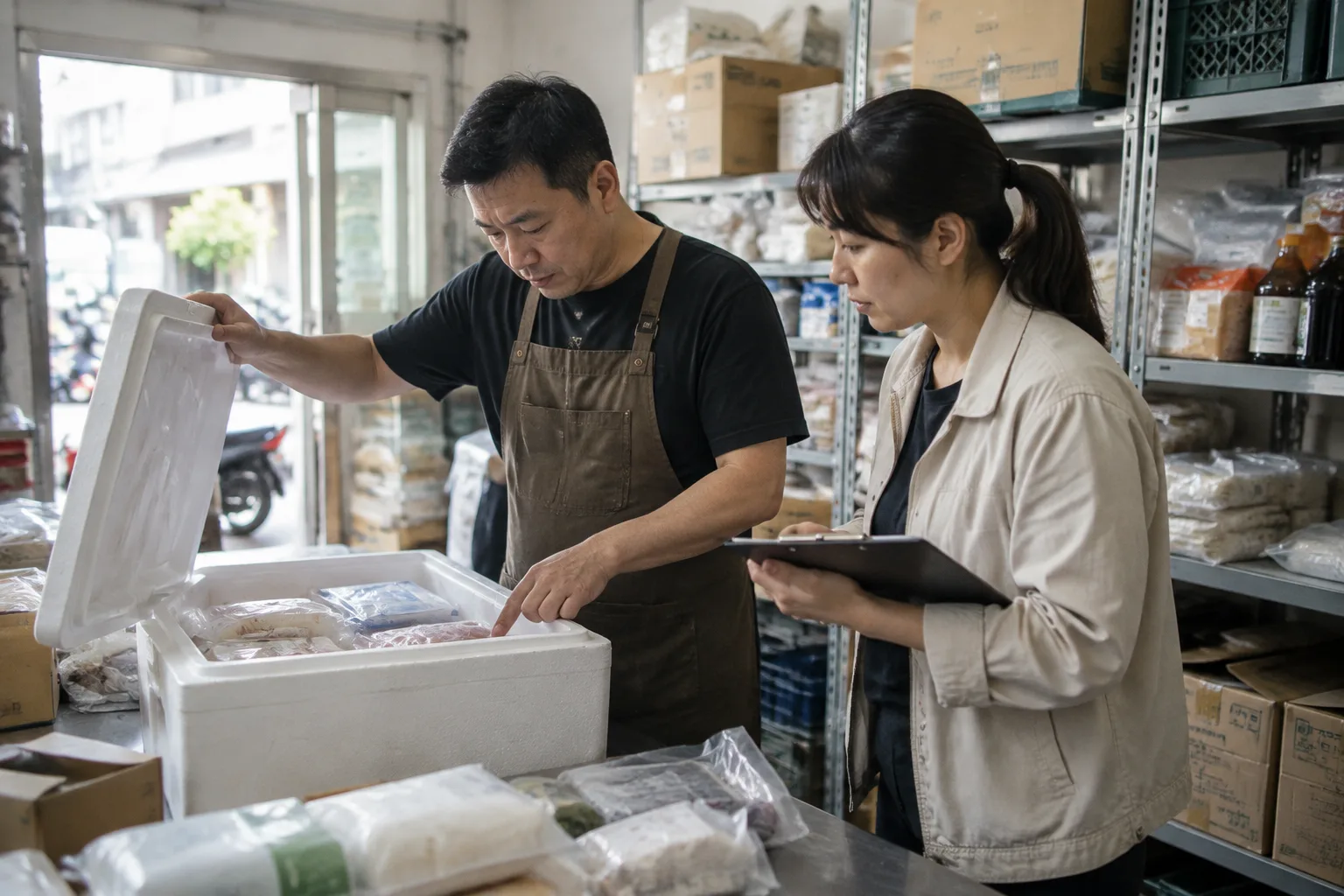
When an existing store runs out of stock, the founder may be able to buy supplies at short notice or deliver them personally. Once franchise outlets are spread across different locations, that approach becomes difficult to sustain. If you are preparing to offer franchises in Taiwan, you need more than proof that your products are popular: you must also demonstrate that ingredients, materials and goods can arrive as agreed. A stable franchise network needs supply arrangements that neither depend on the founder stepping in during emergencies nor leave franchisees bearing all the delivery risks.
1. Define your delivery coverage before choosing recruitment areas
Do not announce that franchises are available throughout Taiwan and then look for logistics providers store by store. For each planned expansion area, head office should check suppliers’ dispatch capacity, logistics providers’ coverage and stores’ receiving arrangements. Ambient, chilled and frozen goods need separate assessments; a single freight invoice from an existing store is not a sufficient basis for estimating costs.
Create a delivery capability table recording at least the following for each area:
- Order cut-off times, dispatch days and expected delivery windows.
- Delivery arrangements during normal periods, on public holidays and in remote areas.
- How delivery charges are calculated and what happens when an order falls below the minimum delivery threshold.
- The space, equipment and staffing needed to receive goods.
- Who to contact about delays, damage, temperature deviations or short deliveries.
Clearly distinguish between areas that have been tested in practice, those that a logistics provider says it can serve, and those still awaiting confirmation. Do not recruit franchisees in untested areas on the basis of firm delivery promises. A brand can start with a smaller franchise territory rather than make its first franchisees bear the cost of testing head office’s delivery arrangements.
2. Test the entire replenishment process with simulated franchise orders
Testing should involve more than sending out a box of goods. Choose representative locations and use the ordering methods, product mix and receiving arrangements intended for franchise outlets. Run through order confirmation, stock preparation, transport, receipt and inspection, and the handling of any problems. Company-owned stores can serve as test sites, but avoid shortcuts known only to experienced staff.
During testing, record every instance of extra help from the founder or store managers. Driving supplies to a store, a supplier making an exception to squeeze in an order, or staff staying after their shift to receive goods all represent costs that the current system cannot handle on its own. They should not be treated as normal delivery performance.
Alongside delivery speed, check whether orders arrive complete, whether goods have sufficient remaining shelf life, whether stores can inspect deliveries during normal working hours, and the actual cost once packaging, freight, wastage and replacement shipments are included. Then simulate several stores ordering on the same day and confirm suppliers’ production capacity and stock preparation arrangements. Successful delivery to one store should not be mistaken for the ability to supply a whole network.
Head office should set its own pass criteria according to the nature of the products and retain the test records. These are internal management requirements, not statutory qualifications for franchising or government certification.
3. Agree contingency plans and responsibilities before shortages occur
Franchisees need more than an instruction to contact head office when stock runs out. They need to know who will make decisions, when they can expect a response and what action they may take. Procedures should reflect the cause of the shortage, such as a supplier discontinuing a product, transport disruption, inaccurate forecasting by head office or a store missing its order deadline. Responsibility should not be allocated in the same way in every case.
For essential ingredients and products, identify qualified alternative suppliers, who approves substitutes and the conditions for using them. Any changes affecting recipes, allergens, storage methods or product labelling require the relevant checks first. Similar appearance alone is not a sufficient reason to approve a substitute. Where no safe and suitable alternative has been found, clearly set out how sales will be suspended and customers informed.
The contract or supply schedule should explain how costs for urgent delivery, replacement shipments, returns and disposal will be allocated. It should also distinguish between defective goods, transport problems and improper storage at the outlet. If photographs, batch numbers or temperature records are needed for verification, make that clear in advance. Do not wait until goods have been disposed of before asking a franchisee for evidence that can no longer be obtained.
Avoid casually promising full compensation for all losses caused by shortages. Equally, do not use a blanket disclaimer accepting no responsibility for any delay. Have a legal professional in Taiwan review liability, reasonable claims procedures and the enforceability of the relevant terms, so that commitments match head office’s actual capabilities.
4. Include delivery restrictions and costs in pre-contract information
Taiwan does not have a single dedicated franchise statute, but franchising is not unregulated. The Fair Trade Act and the Fair Trade Commission’s Disposal Directions (Guidelines) on the Business Practices of Franchisors address franchise disclosure. Contractual responsibility for supply and delivery must also be assessed under the Civil Code and other applicable laws.
Under Point 3 of the Guidelines, franchisors should provide important franchise information ten days before entering into a franchise relationship or a preliminary franchise relationship, or within a period considered reasonable in the particular case or agreed by both parties. Items directly relevant to delivery include pre-opening and ongoing operating costs, operational support, and restrictions on the franchise relationship during the contract term.
Head office should therefore clearly explain the delivery-related charges payable by franchisees, how those charges are calculated or their estimated amounts, and any ordering, receiving or supply restrictions. If certain areas require a separate quotation, identify what remains to be confirmed rather than using standard-area charges to obscure the actual costs. Supply commitments in recruitment presentations, disclosure documents and contracts should also be consistent.
Failure to provide important information in advance without proper justification may breach Article 25 of the Fair Trade Act where it constitutes obviously unfair conduct sufficient to affect trading order. Delivery testing does not replace disclosure, and disclosing restrictions before signing does not replace the obligation to fulfil commitments already made.
Practical takeaway: Complete a full round of real replenishment testing first, then use the results to define where you can recruit franchisees. Supply capacity is ready to support the next franchise outlet only when routine delivery, the handling of problems and the allocation of costs are all clearly established.