Taiwan’s bento and self-service meal sales reach NT$31.52 billion: franchise checks should focus on preparation and waste
Citing Ministry of Finance figures, YES Franchise reports that sales at Taiwan’s bento and self-service meal outlets reached NT$31.52 billion in 2024, up 21.7% year on year. Prospective franchisees should look beyond market growth to understand how meal preparation and food waste affect actual profitability.
Published
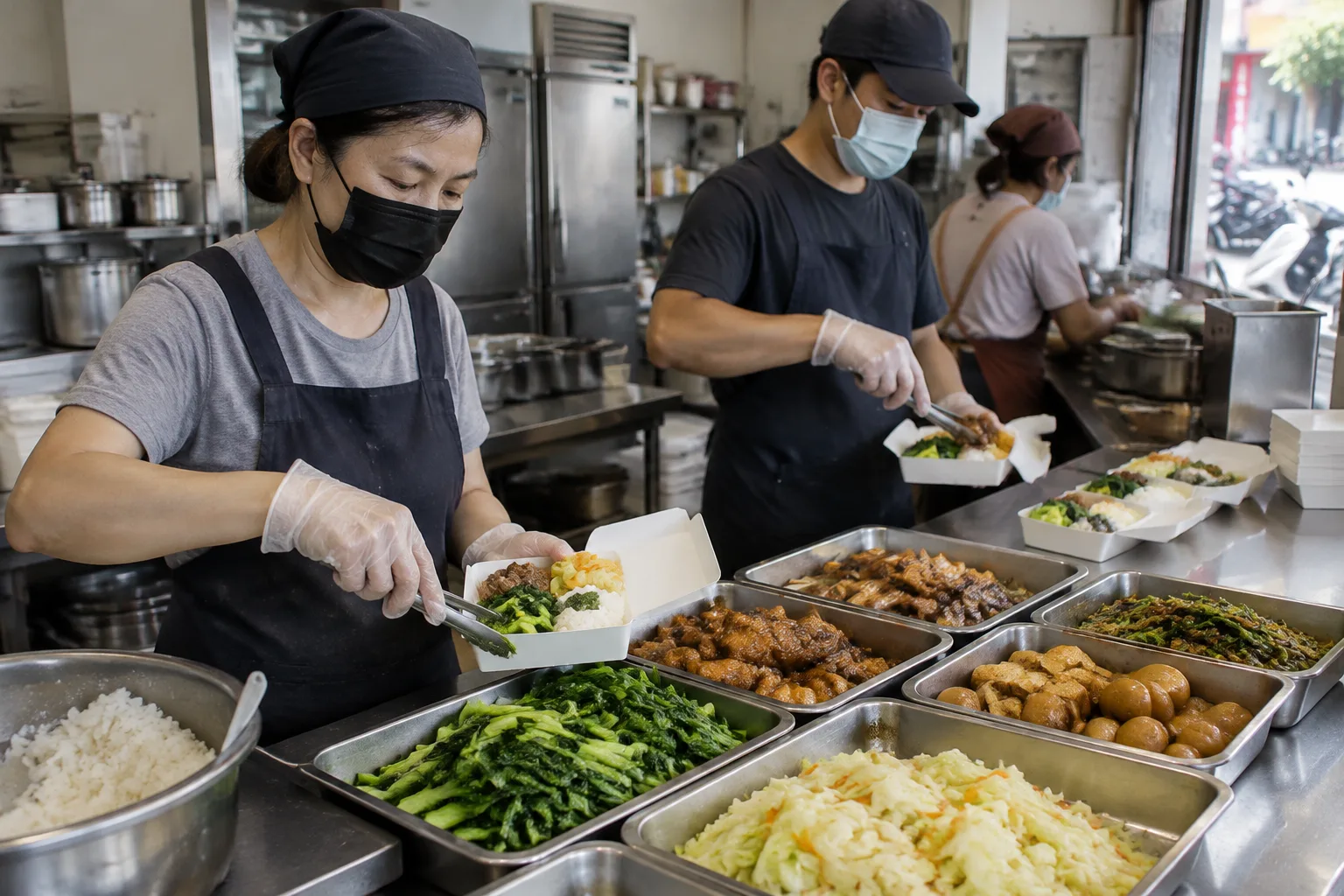
Taiwan’s bento and self-service meal market has recorded sales growth, but assessing a franchise requires more than looking at market size. An introductory article published by YES Franchise on 10 November cited Ministry of Finance figures showing that Taiwan had more than 10,000 bento and self-service meal outlets in 2024, with sales reaching NT$31.52 billion, up 21.7% year on year. The article also highlighted meal preparation volumes and food waste management as key operational issues for first-time operators to understand before opening.
Market figures cover both bento and self-service meal outlets
These figures cover the overall market for bento boxed meals and self-service meal outlets, where customers select from prepared dishes. They are not a separate measure of franchise sales, nor do they reflect current sales performance in 2026. For those considering a franchise in Taiwan, the figures provide market context but should not be used directly to project revenue for an individual brand or new outlet.
YES Franchise notes that bento meals are affordable and quick to serve, making them an everyday eating-out option for office workers and students. The widespread use of delivery platforms has also made bento shops an option for some first-time business owners. However, rising market-wide sales and the profitability of an individual outlet remain two different questions.
Same-day preparation and sales make volumes critical to waste
The article sums up the bento business model as ‘made today, sold today’: preparing too little can mean lost sales, while preparing too much leads to food being discarded, eroding profits. This is why assessing a bento franchise involves more than simply comparing franchise fees. Alongside opening costs, daily production planning deserves careful scrutiny.
Prospective franchisees should ask the franchisor specific questions about preparation planning, rather than simply asking how many meals they might sell each day. Ask how a new outlet estimates initial demand, records unsold meals and adjusts production when sales fall short of expectations. These are suggested due diligence questions, not an indication that every brand already provides the same support.
Food waste is not just a cost issue
YES Franchise identifies preparation volumes, food waste and food safety as key considerations for newcomers. When reviewing a franchise offer, prospective franchisees should also ask how leftover ingredients and prepared meals are handled, rather than focusing solely on the savings from reducing waste.
In practical terms, ask the franchisor to explain the procedures for storage, withdrawing food from sale and disposal, as well as who is responsible for the relevant training. Sales forecasts alone will not give a full picture of an outlet’s daily costs if it remains unclear how waste is recorded and who bears the cost. Targets for reducing waste must not override food safety requirements.
Before signing, turn market enthusiasm into operational questions
The introductory article also lists contract assessment as a priority before taking on a franchise. For those exploring Taiwan’s franchise market, growth figures can help explain the demand backdrop, but choosing a brand still requires scrutiny of its specific supply, training and operating arrangements.
Prospective franchisees can start by drawing up a list of questions about preparation support, waste records and the allocation of responsibilities, then check whether those arrangements are reflected in the formal documentation. Support varies between brands and should not be assumed to be uniform. Above all, overall market growth should not be treated as a promise of profit for an individual outlet.
Practical reminder: when assessing a bento franchise, do not just ask, ‘How much does it cost to open?’ Also ask, ‘How much should we prepare each day, what happens to leftovers, and who bears the cost of waste?’ before deciding whether to invest.