Asia-Pacific franchise meeting in Taipei approves ASEAN cooperation memorandum on cross-border franchising and trademark protection
The 2026 Asia-Pacific Franchise Confederation meeting in Taipei approved a cooperation memorandum relating to the establishment of an ASEAN Franchise Committee, covering cross-border franchising, training and trademark protection. Taiwan’s franchise sector should monitor implementation plans, but the memorandum does not grant market access or permission to open outlets.
Published

Cooperation between Taiwan’s franchise sector and ASEAN markets has taken a step forward. According to a report on 30 September, the 2026 Asia-Pacific Franchise Confederation (APFC) annual meeting in Taipei approved a cooperation memorandum relating to the establishment of an ASEAN Franchise Committee. Cross-border franchising, training and trademark protection were identified as areas for future cooperation, laying the groundwork for association-level exchanges to support brands’ overseas expansion.
Representatives from 13 countries agree areas for cooperation
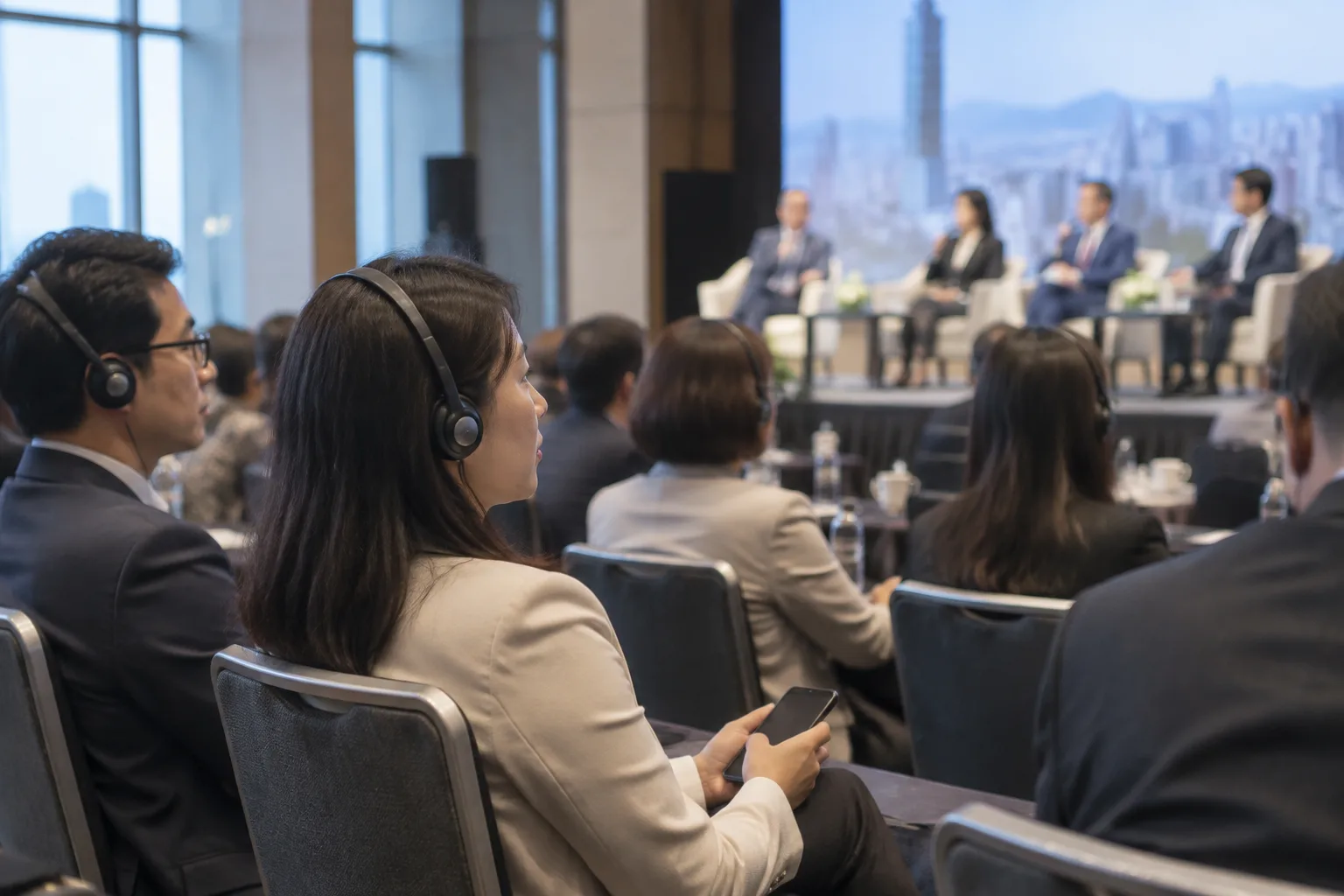
Hosted by the Association of Chain and Franchise Promotion, Taiwan, the APFC annual meeting took place on 29 September, with representatives from 13 countries attending. The memorandum relating to the ASEAN Franchise Committee covers cross-border franchising, training, intellectual property and trademark protection, sharing best practice, and development in emerging markets.
The significance lies not in individual brands announcing overseas openings, but in franchise communities establishing a framework for cooperation. For Taiwanese brands planning to enter ASEAN markets, the inclusion of both workforce development and brand rights makes this an initiative worth following as discussions progress.
Memorandum approved, but implementation details remain unconfirmed
Current reporting confirms the memorandum’s approval and its areas of cooperation, but does not specify a timetable for the committee’s operations, eligibility criteria for participating brands, training arrangements or application procedures for projects in individual markets.
Brands should therefore not interpret cooperation between associations as permission to open outlets locally, nor assume that the memorandum replaces trademark registration or contract review. Those interested in participating can first ask their own association about the relevant contact point, then establish whether any cooperation projects suit their stage of development.
World meeting follows, with a focus on long-term strategy
The World Franchise Council (WFC) annual meeting followed on 30 September, bringing nearly 60 franchise association leaders and sector representatives from 26 countries to Taipei. The gatherings marked the return of these international meetings to Taiwan after 12 years.
The WFC meeting in Taipei focused on its 2026–2030 strategic plan, global best practice, educational development and international cooperation. Breakout discussions sought to turn ideas from participating countries into concrete projects and follow-up action. The APFC’s ASEAN cooperation memorandum, by contrast, was a specific outcome already approved during this round of international exchanges; the two should be understood as being at different stages.
Further overseas exchanges planned, but brands should prepare first
The same report also noted that the Japan Franchise Association had announced plans for a joint WFC–APFC international pavilion at the 2027 Tokyo franchise exhibition, intended to increase international visibility and commercial cooperation for member associations and brands. This remains a proposal and should not be taken to mean that Taiwanese brands have secured exhibition places or concluded deals.
In practical terms, brands interested in ASEAN expansion can start by setting out their target markets, trademark registration status, training capacity and requirements for partners, before following up on arrangements announced by the committee. Clearly defining their own needs will be more useful than relying on the memorandum alone to decide when to expand overseas.