STRONG Pilates to Open Company-Owned Studios Before Sub-Franchising
Healthpreneurs is leading STRONG Pilates’ expansion in Saudi Arabia and across the Middle East, with plans to open company-owned studios before offering sub-franchises.
Published
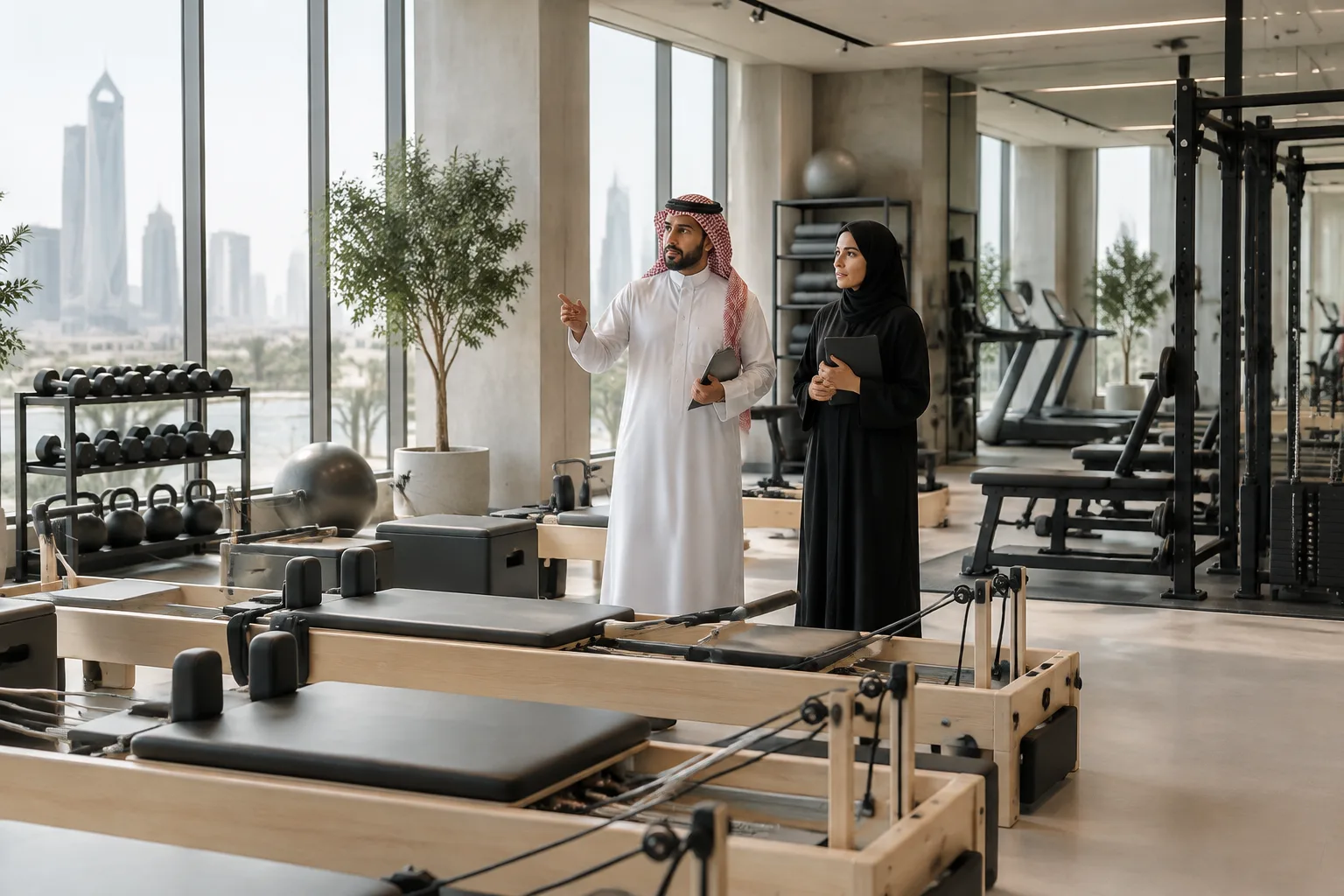
STRONG Pilates has chosen a phased approach to entering Saudi Arabia: starting with company-owned studios, then expanding through sub-franchising. According to a report published by Franchising.sa on 22 September 2026, the fitness brand has signed a master franchise agreement with Saudi-based Healthpreneurs to lead its expansion across the Kingdom and the wider Middle East. The announcement is notable for its rollout sequence, not just the size of the planned network.
Company-owned studios come before sub-franchising
The plan begins with five company-owned studios, including three scheduled to launch from 2026 onwards in Jeddah and Riyadh. After this phase, the company intends to expand through sub-franchising across the region. The plan includes a stated commitment to open 21 locations over ten years.
This sequence is the key detail for anyone exploring franchise opportunities. The announcement does not describe a network built around multiple franchisees from the outset. Instead, it places company-owned studios at the start of the expansion programme, followed by a move to sub-franchising. The master franchise partner’s role in the initial phase therefore differs from that of an investor who might join the network later.
The dates given remain targets under the announced plan. The reference to three studios launching from 2026 onwards does not mean they have already opened. Nor does the report specify their addresses, how many will be in Jeddah or Riyadh, or the opening date for each studio. It also gives no date for when sub-franchise applications will open.
A Saudi partner leading regional expansion
Under the announced agreement, Healthpreneurs will lead STRONG Pilates’ expansion across the Middle East. The company is led by Turki Alnuwaisser, whom the report describes as having experience in business and wellness. He is also managing partner at investment firm Nakhla Ventures.
The announcement links delivery of the plan to Healthpreneurs’ experience in raising capital and investing in sports businesses. This clarifies the nature of the partnership as presented: rather than simply adding another brand to the Saudi market, it gives a Saudi company responsibility for regional expansion, with a defined operational starting point in the Kingdom.
It is important to distinguish between this regional remit and the Saudi locations named in the report. Jeddah and Riyadh are the two cities identified for the three studios scheduled to launch from 2026 onwards, while Healthpreneurs’ responsibilities extend across the Middle East. The report does not list the countries or cities that will host the remaining locations, so the total commitment cannot be allocated to specific markets.
A fitness concept combining three types of exercise
STRONG Pilates combines Pilates, cardio and strength training, according to the brand description in the report. The Saudi agreement forms part of its global growth strategy, building on an existing Middle Eastern presence through studios in Jumeirah, Dubai, and Saar, Bahrain.
Its entry into Saudi Arabia therefore extends an established regional presence rather than marking the brand’s debut in the Middle East. However, the report provides no figures on the existing studios’ performance, membership numbers or financial results. Their presence alone is therefore not a sound basis for estimating Saudi studio revenues or how quickly they might become profitable.
The report links the expansion to growth in Saudi Arabia’s health and wellness sector and to Vision 2030 goals of improving public health and increasing participation in sport. This places the announcement within a broader interest in fitness services, but it provides no quantitative data on demand for this particular concept or the level of competition in the two target cities. Those questions remain separate from the confirmed details of the expansion agreement.
What should investors consider next?
For those considering the Saudi franchise market, the announcement provides two clear pieces of information: the identity of the partner leading the expansion, and a rollout that begins with company-owned studios before moving to sub-franchising. It does not, however, set out the investment opportunity for parties wishing to join later. There are no details of franchise fees, studio fit-out costs, space requirements or franchisee selection criteria.
Investors should therefore distinguish between the announcement of a master franchise agreement and a franchise opportunity that is available to sign. The former is covered in the report; the latter requires further information from the relevant party. The report also does not explain how operational support and training will be divided between the brand and the master franchise partner, or what terms will govern sub-franchising in different markets.
The practical takeaway is to monitor the rollout of the first studios in Jeddah and Riyadh, and request written details of franchise availability and terms before assessing any investment. The announced plan sets out the direction and sequence of expansion, but it does not replace due diligence on the opportunity’s readiness, costs and obligations.