Buybrand 2026 rankings: six new names in the overall top ten
The Buybrand rankings feature 114 companies. Four of last year’s participants retained their places in the overall top ten, with six new names joining them.
Published

The 2026 franchise rankings were unveiled at the Buybrand exhibition on 29 September. They feature 114 companies — 21 more than the previous year. The biggest change was in the overall top ten, where only four participants retained their places from last year. For Russia’s franchising sector, the results offer a starting point for discussing not just network size, but also the criteria used to assess business resilience.
How the top ten changed
Pyaterochka, SOKOLOV, COLIZEUM and Midiynoye Mesto retained their places in the leading group from last year’s overall top ten. The other six places went to Drinkit, CyberX Community, FIT SERVICE, Syrovarnya, Chio Chio and Zhar Svezhar. This line-up was reported by the publication Torgovaya Politika on 30 September.
It is important to distinguish between entering the top ten and launching a franchise. These six companies are new to the leading group compared with the previous year. That does not mean they have only just begun franchising or entered the Russian market for the first time.
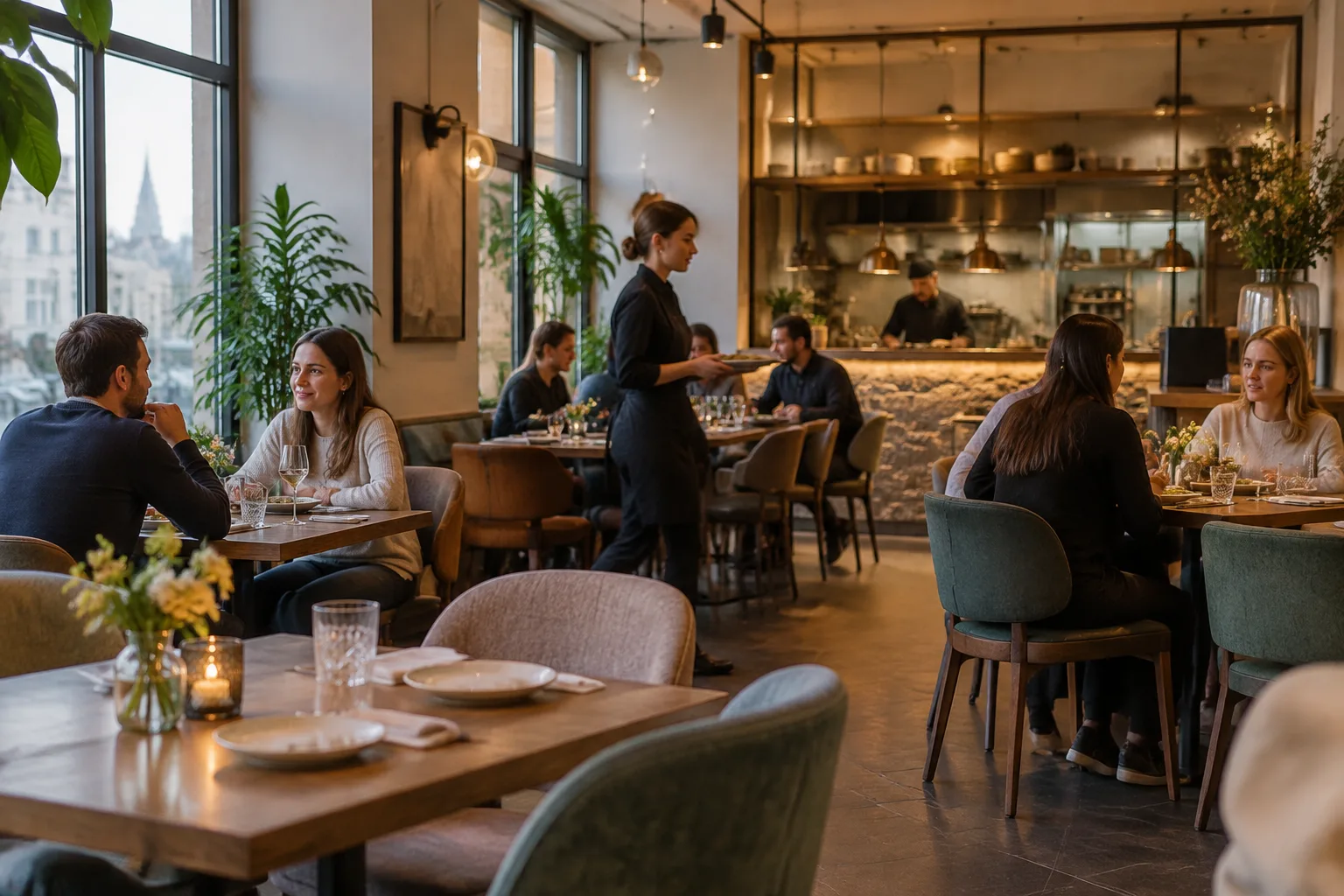
Four businesses from the hospitality and foodservice sector, known as HoReCa, made the overall top ten. However, the leading group is not limited to food outlets: it also includes grocery retail, jewellery, gaming clubs and services. The results allow different formats to be compared, but do not in themselves indicate which would suit a particular prospective franchisee.
A change involving six places is significant, but it is not evidence that every network leaving the top ten has performed worse. Reaching that conclusion would require a separate comparison of their figures. A ranking reflects a combined assessment rather than a single business metric.
What the franchise assessment covered
The organisers assessed performance from the start of 2025 to the end of the first half of 2026. The rankings published in September therefore cover a specific period, rather than every development in the current year. Subsequent openings and changes to franchise terms need to be considered separately.
The methodology used 67 criteria. These included trends in openings and closures, geographical coverage, expansion beyond a network’s original region, financial and legal indicators, and the extent and quality of franchisee support. Data came from franchisors, existing franchisees and official government registers.
This set of criteria makes the assessment broader than a simple count of operating outlets. Openings are considered alongside closures, geographical coverage alongside expansion beyond the original region, and network development alongside support for franchisees. A large number of outlets alone therefore does not explain a brand’s position.
For prospective franchisees, the most useful element is the set of questions underlying the comparison. How consistently is the network developing? What is happening to businesses already in operation? How is franchisee support organised? The final ranking can provide a starting point for discussions with a franchisor, but it does not replace answers specific to a proposed outlet.
Which companies were eligible
According to New Retail, participants had to meet several mandatory requirements. A company had to have been operating for at least five years, with a franchise programme in place for at least three. It also had to be a legal entity, file statutory reports and provide the data needed to calculate the indicators. Sole traders were not eligible.
These conditions matter when interpreting the results. The rankings do not cover every opportunity available to entrepreneurs in Russia: a young network or recently launched franchise will not meet the minimum operating-history requirements. A brand’s absence from the list should therefore not automatically be read as a negative assessment of its model.
Similarly, the addition of 21 participants indicates that the rankings themselves have expanded. It does not represent the number of new franchises launched in Russia during the year, nor does it measure growth across the franchising sector as a whole. These are different measures and should not be confused when assessing the published results.
How participants were distributed by sector
Buybrand divides companies into four groups: HoReCa, services, retail and manufacturing. Services formed the largest group in the 2026 sample, at 39.5%. HoReCa accounted for 33.3%, retail for 21.1% and manufacturing for 3.5%. These shares describe the participants in the rankings, not the distribution of all franchises in Russia.
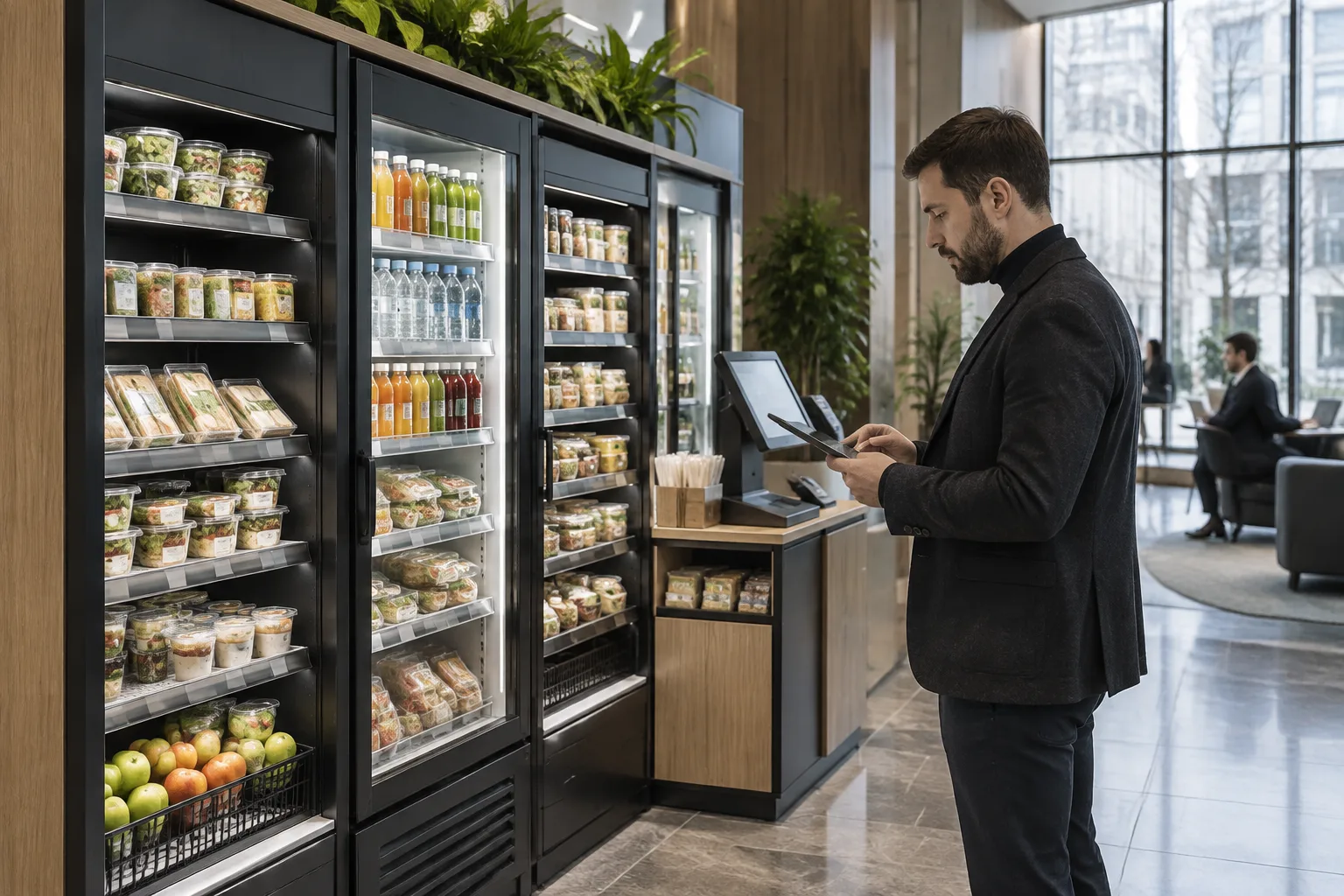
Retail chains received particular attention at the presentation. According to New Retail, Yandex Lavka and Dixy were named among the new retail participants in the rankings. The retail top ten also included Pyaterochka, SOKOLOV, Eyekraft, Zhiznmart, Piv&Ko and Modi. It is important to distinguish between the overall top ten and a sector-specific list: they serve different purposes when comparing businesses.
Practical takeaway: the rankings are best used to draw up an initial shortlist and prepare questions for franchisors. Before deciding to invest, check the current terms, assess the financial viability of your chosen format in your target city, and speak to existing franchisees about how the promised support works in practice.
Sources
- tpmag.ru · news · retailТоп-франшиз BuyBrand 2026: разбор изменения франчайзинговых модел...
- «ГрузовичкоФ» открылся еще в трех городах
- BUYBRAND представил отраслевой рейтинг франшиз | New Retail
- Каталог франшиз 2026 года — список франшиз для бизнеса
- Александр Умаров, «Дринкит»: задача была сделать не просто приложение, а кофейню с приложением, которая кому-то нужна