Specjał plans 20,000 franchise stores by 2030
Specjał Group says it has around 14,700 stores. It aims to increase that number to 20,000 by 2030, including 1,000 SPAR outlets.
Published
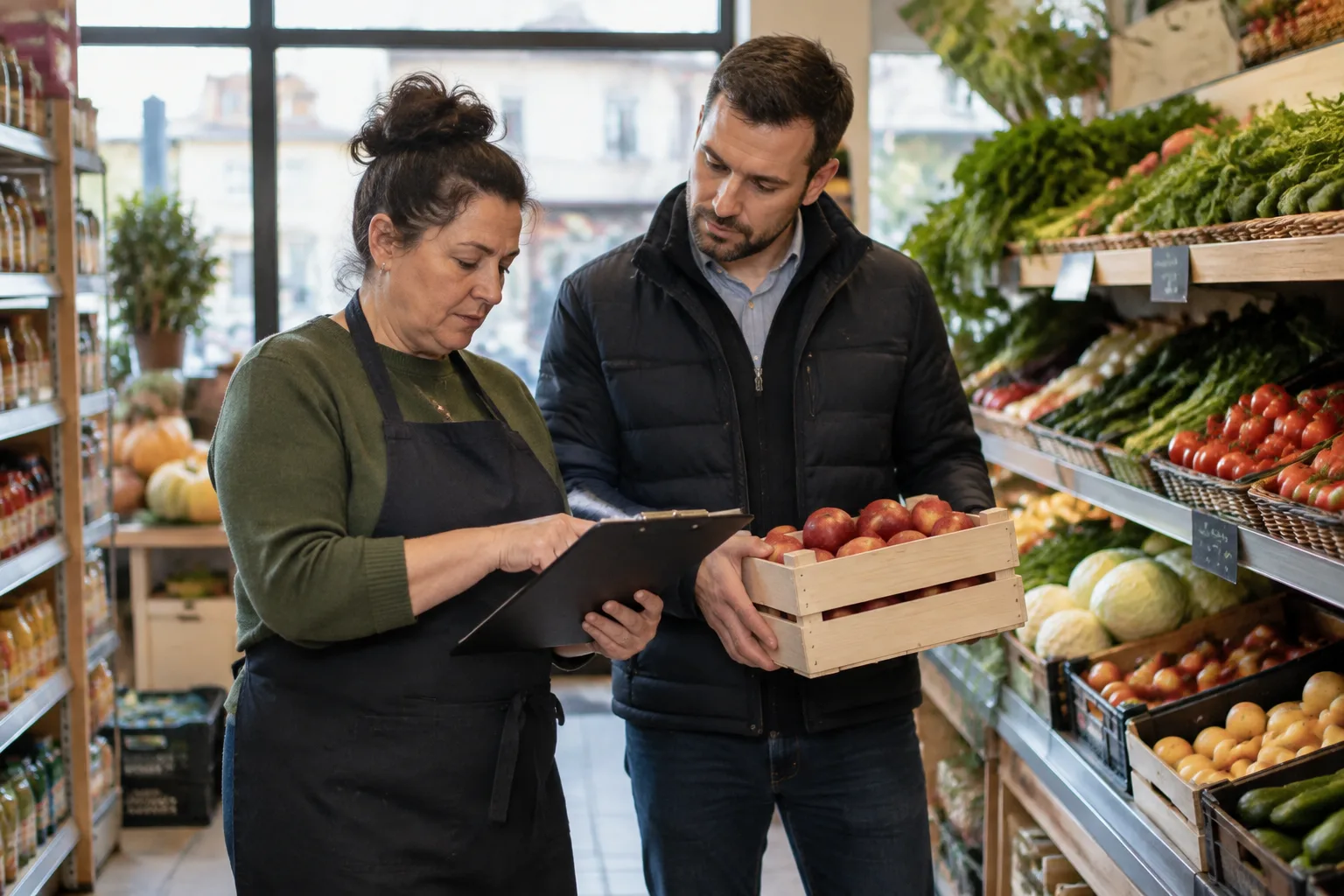
Specjał Group, which brings together the Nasz Sklep, Livio, Rabat Detal and SPAR chains, has announced plans to reach 20,000 franchise stores by 2030. It currently reports around 14,700 outlets. For those considering the Polish franchise market, the significance lies not only in the scale of these ambitions, but also in plans to combine network expansion with wholesale and retail integration and digitalisation.
Four brands and a claim to market leadership
The group's plans were reported by dlahandlu.pl in an article published on 10 October 2026. According to Remigiusz Czernecki, Vice-President of the Management Board and Commercial Director of Specjał Group, Nasz Sklep, Livio, Rabat Detal and SPAR together comprise around 14,700 outlets. In his view, that figure makes the group Poland's largest grocery franchisor.
The claim to market leadership should be distinguished from the reported size of the network. It represents the position of Specjał's management, rather than the findings of an independent ranking cited in the article. The figure also covers all four brands combined, not a single chain trading under one name.
This distinction matters to entrepreneurs considering joining the group. Its overall scale indicates the reach of its operations, but is no substitute for assessing a specific franchise offer. Entry requirements, support and store owners' obligations should be considered for the chosen brand, rather than inferred solely from the size of the organisation as a whole.
The 2030 target: 20,000 stores, including 1,000 SPAR outlets
Specjał Group President Krzysztof Tokarz says the group's networks are intended to comprise 20,000 franchise stores by 2030. That total is to include 1,000 SPAR outlets. The company also intends to expand its company-owned store network. The plans therefore encompass both closer cooperation with independent entrepreneurs and further development of its own retail operations.
Compared with the currently reported total of around 14,700 outlets, this would represent an increase of approximately 5,300 stores. That is the difference between the reported current network size and the target, not an announced number of new openings. Nor should it be presented as growth the group has already achieved.
SPAR's place within the announcement is also important. Its 1,000 outlets form part of the 20,000-store franchise target, rather than an additional allocation on top of that figure. Anyone tracking the development of individual brands should therefore distinguish the group-wide plan from the ambitions for a particular chain.
At this stage, these are management targets for 2030. Progress towards them will need to be assessed through subsequent reports on the number of operating stores, rather than the stated ambition alone.
Growth amid price and cost pressures
Specjał is setting out its expansion plans in conditions its management describes as challenging. Czernecki points to the continuing price war between discount retailers and rising operating costs, including fuel and energy. Pressure on margins is therefore an important backdrop to the announcement, not a reason to regard growth as guaranteed.
In the published statement, the Vice-President forecasts group sales revenue exceeding PLN 4.5 billion in the current year and PLN 5 billion in the following year. The target for 2030 is more than PLN 8 billion. These are revenue plans for Specjał Group, not forecasts of individual store turnover or franchisee earnings.
Keeping these measures separate is particularly important when assessing a franchise offer. Revenue growth across the organisation does not, in itself, indicate the profitability of a particular outlet. Entrepreneurs should separately analyse local costs, supply terms and potential margins, rather than treating the group's results or targets as a promise of their own financial performance.
Wholesale and retail integration, and questions about support
Specjał identifies wholesale and retail integration, digitalisation and development of the category it calls “ultra fresh” as priorities. These are elements of the strategy accompanying the increase in store numbers. The announcement is therefore not limited to recruiting more outlets: it also covers the organisation of the supply infrastructure and development of the product range.
Prospective franchisees should translate these priorities into specific questions when speaking to the network. What digital tools will the store receive? How will it work with the wholesale operation? What obligations and costs will come with expanding the fresh food range? These are points to verify, not a description of confirmed terms applying across all four chains.
Practical takeaway: the plan for 20,000 stores demonstrates Specjał's ambition, but a decision to join should rest on the terms offered by the specific brand and the financial viability of your own outlet. The group's scale is a starting point for discussion, not a substitute for that analysis.