Franchise Fair 2026: 96 exhibitors and discussions about new business opportunities
The 24th edition of Poland’s Franchise Fair brought together 96 exhibitors. Prospective business owners and experienced entrepreneurs alike explored the opportunities on offer.
Published
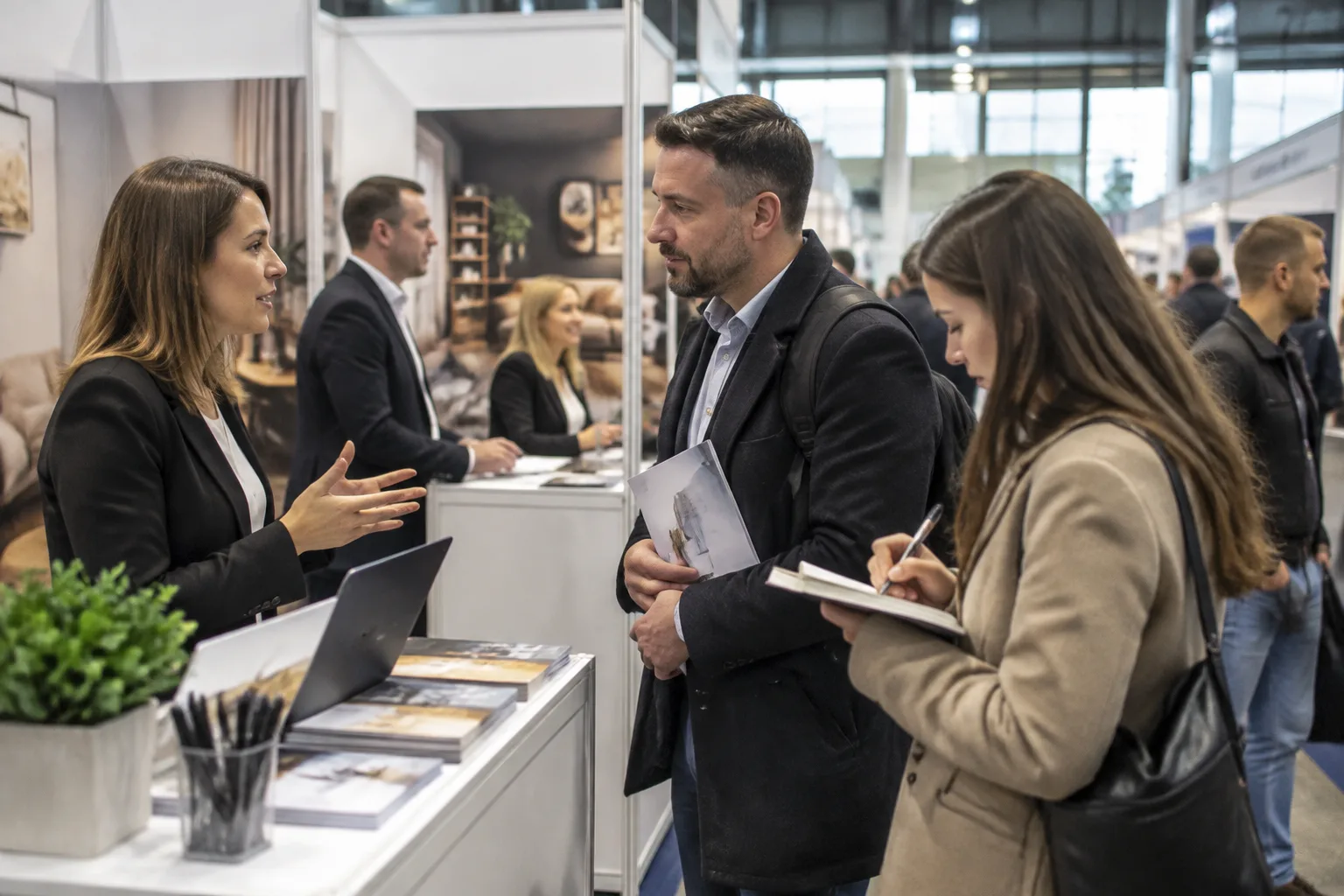
Poland’s Franchise Fair 2026 brought together 96 exhibitors presenting their business concepts. Held for the 24th time, the event attracted both people considering starting their first business and entrepreneurs looking for new avenues for growth. For the franchise community, it provided another opportunity for direct contact between brands and potential partners, complementing the information available online.
96 exhibitors, different visitor needs
According to an article published by “My Company Polska” on 3 November 2026, this year’s event offered visitors a chance to explore franchise models, compare opportunities and find inspiration for running a business. The figure of 96 exhibitors indicates the scale of the event, but does not in itself reveal how many conversations will lead to signed agreements or new outlets. This is an important distinction when assessing the event’s significance.
The report suggests that attendance was not limited to newcomers. In the organisers’ experience, these events also attract people who already run businesses and are looking for their next venture. This creates two different starting points for discussions: launching a business and expanding existing operations.
For the first group, useful topics might include the support available when opening an outlet, training and day-to-day operations. For the second, discussions might focus on whether a new venture can be combined with an existing business and how much personal involvement it requires. These are not findings from a visitor survey, but a practical way to organise questions before approaching a franchisor.
Online searches help you explore; meetings let you ask more
The main takeaway from the event report concerns the role of face-to-face discussions. The internet and artificial intelligence make it easier to search for business ideas, but, as the article notes, they do not replace meetings with franchisors. The organisers present trade fairs and online research as complementary ways to explore opportunities, rather than competing routes to choosing a business.
This distinction has practical significance. Initial research can help produce a shortlist of brands to investigate. A conversation then offers an opportunity to ask questions specific to a prospective franchisee’s circumstances: their location, available capital, experience and time. However, the opportunity to ask questions should not be confused with confirmation that the model presented will suit everyone interested in it.
It is therefore worth using a consistent set of questions when comparing concepts. These should cover initial investment, ongoing fees, the division of responsibilities and support after opening. This helps ensure that an appealing presentation is not the sole basis for an assessment. Within the franchise community, direct contact can start a relationship, but a decision to work together also requires a careful review of the terms.
More than an idea for a first business
The presence of entrepreneurs seeking new avenues for growth was a notable feature of this year’s fair. Franchising was being considered not only as a route into self-employment, but also as a possible way to expand an existing business. However, the report does not give a breakdown of visitor groups, so there is no basis for saying which group predominated.
For someone who already runs a business, brand recognition alone should not replace an assessment of the responsibilities involved. When considering another venture, it is worth asking whether the model requires the owner’s daily presence, which tasks can be delegated to a team and how communication with head office works. These are matters to verify for each opportunity, not characteristics shared by all the concepts exhibited.
A first-time entrepreneur, meanwhile, can use a meeting to understand the distinction between the network’s support and their own responsibility for the business. Useful questions include how preparations for opening are organised, what requirements apply to the premises and how training is provided. It is worth keeping a structured record of the answers so they can be compared with documents supplied by the brand after the event.
After the fair, it is time for due diligence
The 24th edition demonstrates the event’s continuity as a meeting place for the franchise community. The presence of 96 exhibitors reflects the breadth of what was on display, but is not a measure of the profitability of the opportunities or the future performance of new franchisees. Similarly, an interest in talking does not yet imply readiness to invest. An assessment of a particular venture should remain separate from an assessment of the event itself.
After the fair, prospective franchisees should narrow down their shortlist and ask selected networks for detailed terms. Next steps might include speaking to existing franchisees and obtaining an independent review of the agreement and financial assumptions. These are recommendations for prospective franchisees, not a description of the outcomes of this year’s event.
Practical takeaway: treat the fair as the start of investigating a business opportunity, not the final stage of an investment decision. The most useful outcome of a visit is a shortlist of opportunities, a set of comparable answers and clearly identified points requiring further verification.