Bricomarché reaches 233 stores: new openings and the role of franchisees
Bricomarché has opened stores in Tarczyn and Pobiedziska, Poland. Franchisee investment and proposed locations are helping drive the chain’s expansion.
Published
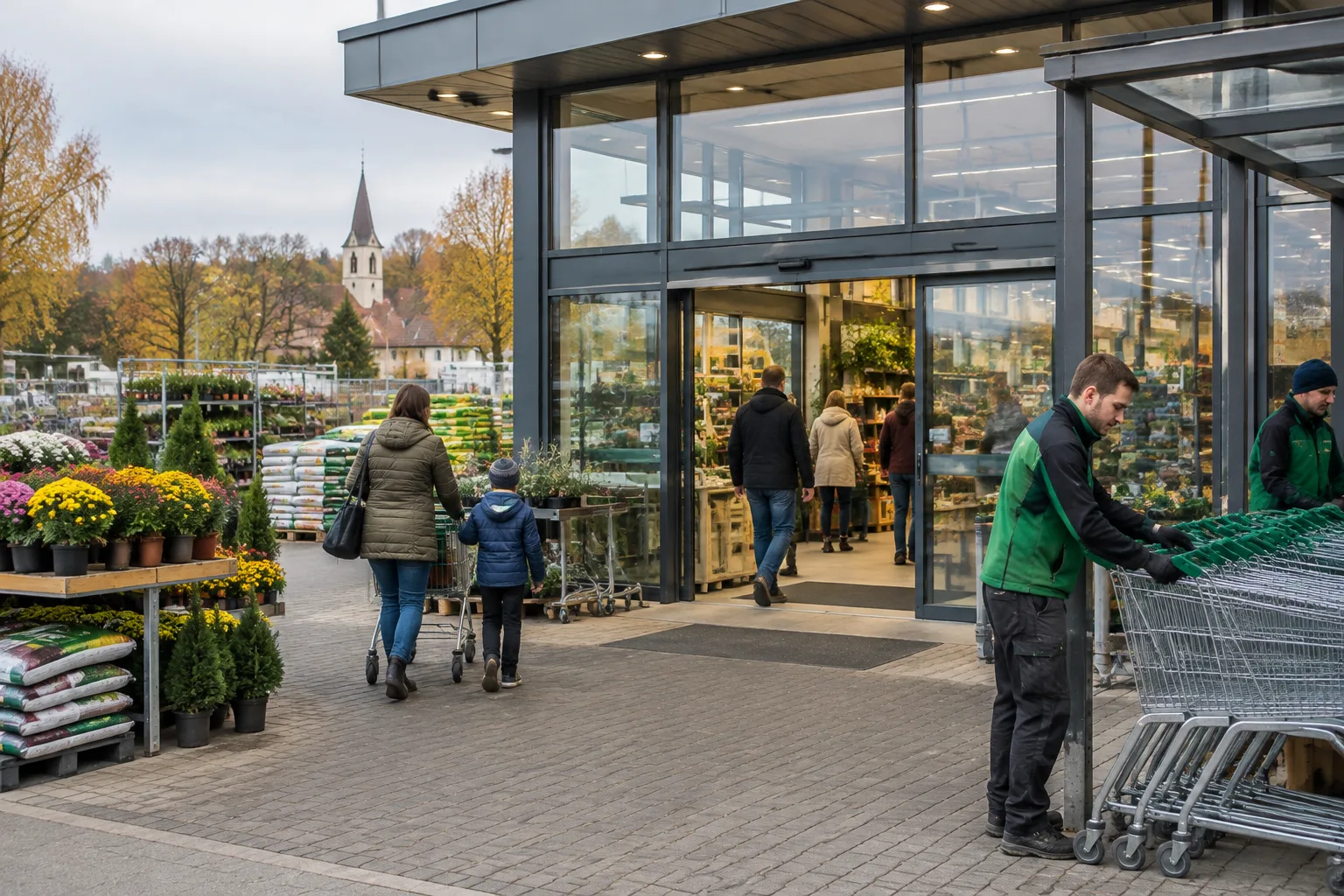
Bricomarché has expanded its Polish network to 233 stores following openings in Tarczyn and Pobiedziska. The two new outlets have a combined retail floor area of approximately 2,600 sq m and employ 38 people. Expansion is being driven both by entrepreneurs joining the Musketeers Group and by existing owners making further investments. Meanwhile, the chain is preparing a change to its online retail operation, scheduled for 2027.
Two openings extend the chain’s reach
The retail news website dlahandlu.pl reported the new openings on 2 November 2026. The stores in Tarczyn and Pobiedziska expand Bricomarché’s network in the home improvement, DIY and garden market. The figure of 233 stores reported after the openings represents the brand’s current presence in Poland, rather than the number of outlets opened this year.
The two new stores have a combined retail floor area of approximately 2,600 sq m. This figure covers both locations: it should not be read as the size of an individual store or as a standard floor area across the chain. Likewise, the 38 jobs relate to both outlets together.
For local communities, the openings bring new jobs and additional places to shop. For those in franchising, the significant point is how Bricomarché is expanding its presence: investment is not presented solely as the result of recruiting new partners. Entrepreneurs already associated with the Musketeers Group are also contributing to growth.
Entrepreneurs can propose their own locations
In 2025, the Musketeers Group introduced an expansion procedure allowing entrepreneurs and prospective members of the Group to put forward locations for new stores. The arrangement offers the possibility of securing a guarantee that they will operate the outlet at their proposed site. This is an important part of the expansion route described, as it links the initiative to identify a property with the prospect of subsequently running the store.
It is therefore not simply a matter of joining the brand and waiting to be offered a ready-made location. Candidates can propose a site where they would like to develop their business. However, the opportunity to submit a location should not be confused with automatic acceptance of every proposal. The scope of the guarantee and the conditions for obtaining it should be clarified directly with the Group.
Anyone considering this route should prepare information about the proposed premises or plot of land. It is worth asking about the criteria used to assess locations, the stages of the decision-making process and the point at which the terms for operating the future store are agreed. These matters should be checked before making property-related commitments; submitting a site does not in itself complete the investment process.
Growth through new and existing partners
Bricomarché identifies two sources of growth: new entrepreneurs joining the Musketeers Group and further investments by existing owners. This account of its expansion shows why the number of new stores cannot automatically be equated with the number of new franchisees. Growth in the store network and growth in the number of partners are related but distinct measures.
For Tarczyn and Pobiedziska, the key confirmed figures concern the store openings, their combined floor area and employment. They do not provide a basis for calculating the cost of joining the chain, expected turnover or the investment payback period. Anyone interested in becoming a partner should distinguish between information about the scale of expansion and an assessment of a specific business opportunity.
Discussions about opening a store should therefore move beyond the overall store count to the assumptions for the chosen location. Questions should cover investment requirements, staffing and day-to-day operations, and the division of responsibilities between the entrepreneur and the chain. New openings demonstrate the brand’s activity, but they are no substitute for an individual financial plan and an assessment of the partnership terms.
A shared online range from 2027
Alongside its physical expansion, Bricomarché is preparing for the next stage of its online retail development. The chain already sells online, and from 2027 a new platform is intended to provide access to a shared range of more than 156,000 products. Customers will not have to select a particular store before accessing that range.
This is an announcement of a change in how customers access the online range, not a statement that every physical store will stock all those products. The 2027 date refers to the planned platform. When assessing the prospects of a partnership, it is therefore important to distinguish between existing online sales and features announced for the next stage.
For prospective franchisees, this is also a topic to raise when discussing the relationship between the physical store and the online channel. Order fulfilment arrangements, payment settlement and responsibility for customer contact should be clarified before factoring this channel into business forecasts.
Practical takeaway: prospective Bricomarché franchisees can begin discussions by proposing a location. Before investing, however, they should confirm the conditions for site approval, the scope of any guarantee that they will operate the store, and the terms of participation in online sales.