Franchising in the Philippines: Do You Have Enough Working Capital?
Covering the franchise package is not enough. Learn how to estimate the working capital you need to meet expenses while your franchise gets established.
Published
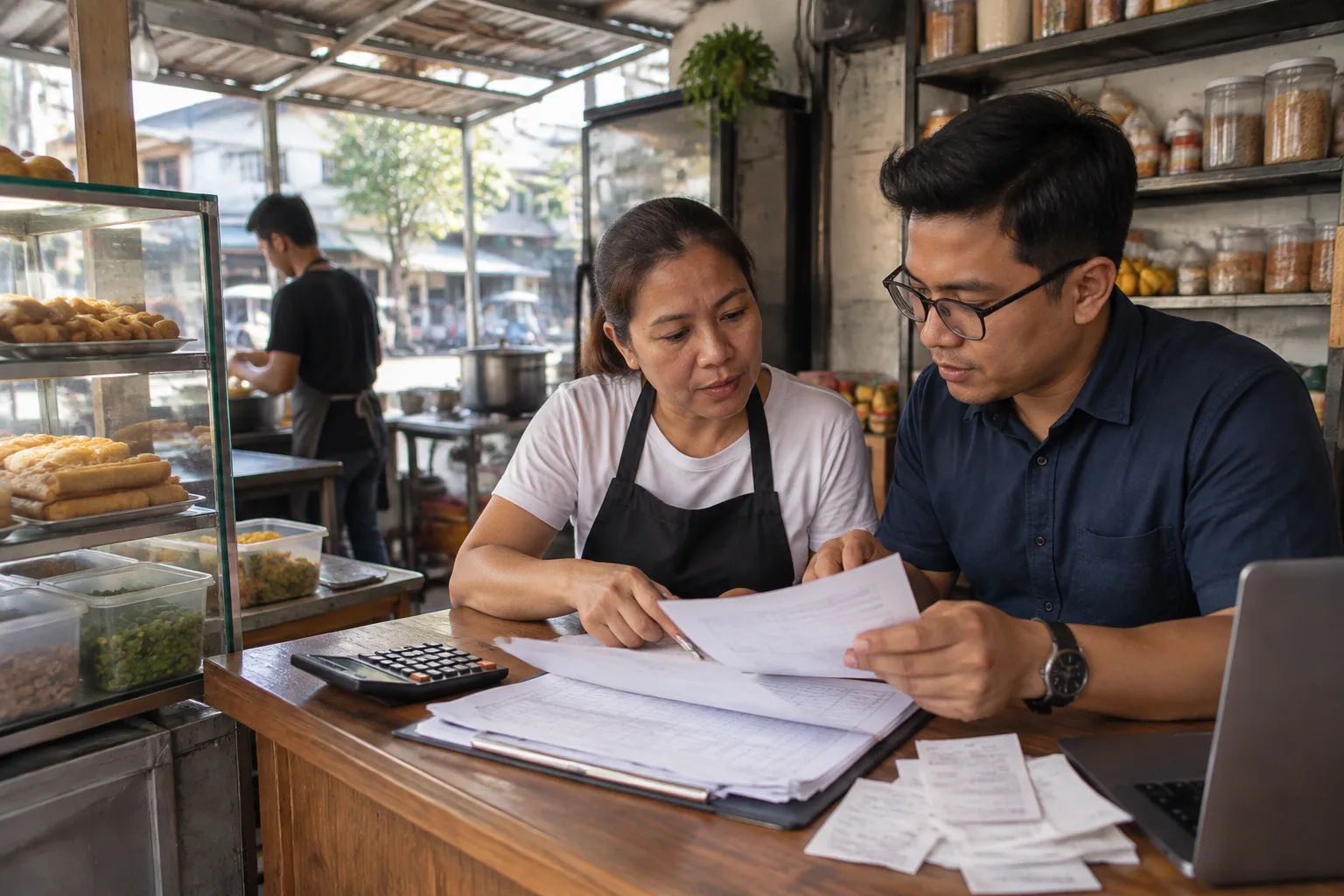
Your savings may cover the franchise package but still fall short of what you need to run the shop once it opens. Before entering the Philippine franchise market, assess your working capital: the money needed to fund day-to-day operations while you wait for payments to come in. This is separate from franchise fees, equipment and fit-out costs. The key question is not just how much money you need, but when it will go out and come back in.
1. Separate start-up costs from running costs
Ask the franchisor for a detailed breakdown of what the package includes and excludes. Separate one-off costs before opening from recurring bills that must be paid even when sales are slow.
Draw up three separate lists:
- Start-up costs: franchise fees, equipment, opening stock, deposits, permits and premises preparation.
- Running costs: wages, rent, electricity, water, stock replenishment, taxes and other regular commitments.
- Reserve: money set aside for delays, equipment breakdowns, stock wastage or slower receipt of payments.
Check the opening stock carefully. It may be included in the package but may not last until the next purchasing cycle. Find out how long new stock takes to arrive and whether it must be paid for in full before dispatch.
Keep household expenses separate too. If you will rely on the shop to cover your living costs from the outset, include your planned withdrawals in the forecast. Do not treat all the money in the till as freely available business funds.
2. Map weekly cash inflows and outflows
A monthly profit forecast is not enough. Sales may have been recorded, but payments from delivery platforms or electronic payment providers may not yet have arrived. Meanwhile, wages and supplier bills may already be due.
Prepare a weekly cash-flow forecast for the first few months. For each week, record:
- Cash available at the start.
- Payments you expect to actually receive.
- All payments falling due, including loan repayments.
- Cash remaining after those payments.
Use the date you expect to receive the money, not just the date of the sale. For each payment method, check the settlement schedule, deductions and any potential payment holds or refunds.
The largest cumulative cash-flow shortfall is the starting point for estimating your working capital requirement. Add a reserve that reflects the shop's risks. There is no fixed number of months' cover that automatically suits every brand and location.
Ask an accountant to check for double counting. For example, stock paid for before opening should not be listed again as a new cash outflow in the first week unless you are making an additional purchase.
3. Stress-test the shortfall before choosing a loan
Prepare separate forecasts for your expected performance and a more difficult scenario. Test what happens if opening is delayed, sales slow down, payments arrive late or you need to hold more stock.
Do not simply add a blanket percentage to all costs. Identify the specific cause and duration of each delay. For example, if staff must be paid before the shop opens, include their wages in those weeks even if no payments are coming in.
If you plan to borrow, compare the repayment schedule with a conservative cash-flow forecast. Check:
- The total cost of the loan, not just the advertised interest rate.
- The first repayment date and how often payments are due.
- Any deductions made before the loan funds are released.
- Late-payment charges and early-repayment terms.
Do not count an unapproved loan application as confirmed funding. Nor should you assume that a short-term loan can always be extended to cover an ongoing shortfall. If you cannot afford the repayments under a reasonably adverse scenario, scale back the investment or postpone the purchase.
4. Ask for documents, not just a suggested figure
The Philippines has no single comprehensive franchise law. The Civil Code is important for contractual obligations, as is the Intellectual Property Code for agreements within its scope. Executive Order No. 169, series of 2022, also sets minimum agreement requirements for micro, small and medium-sized enterprises covered by the order and requires those agreements to be registered with the Department of Trade and Industry (DTI).
These rules do not guarantee that the capital budget presented in an offer will be sufficient. There is also no general obligation to provide a standardised pre-purchase disclosure document, so do not assume that all the information you need will be supplied automatically.
Request a written fee schedule, stock purchasing terms and the basis for the recommended working capital figure. Have any agreed payment deferrals included in the contract or an attachment to it. Also speak to existing owners of similar shops about the actual gap between spending money and receiving payments.
Practical takeaway: Buy only when you have a clear weekly cash-flow plan, an adequate reserve and confirmed sources of funding—not just an expectation of brisk sales.
Sources
- Philippines: Franchise & Licensing
- CHAMBERS GLOBAL PRACTICE GUIDES Franchising 2025
- Kodigo ng Pag-uugali sa Franchise Pilipinas | QFA
- Franchising Law and Practice in Philippines
- Low-Cost Franchise Business in the Philippines - Wise
- Philippines Franchise Concepts
- Franchising 101: Paano simulan ang franchise business sa ...
- Home | Philippine Franchise Association (PFA)