Franchising in the Philippines: Assessing Refurbishment Costs
Find out who pays for franchise design changes and equipment upgrades, and how to negotiate cost limits before signing.
Published
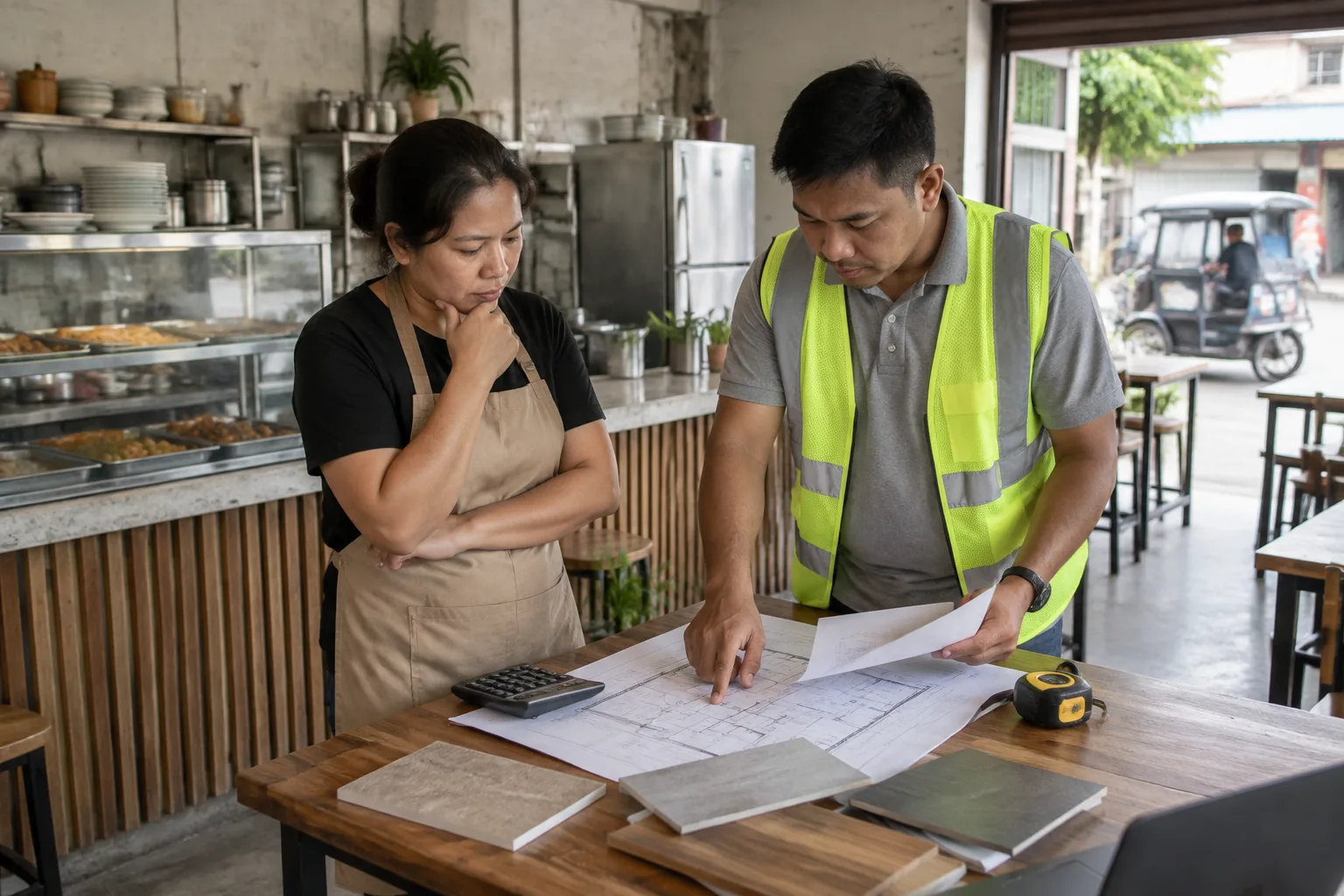
Opening a franchise may be affordable, but replacing equipment, signage or the entire shop fit-out later on can be costly. Before choosing a brand, establish how much authority the franchisor has to require changes and who will pay for them. Consistent standards matter across a franchise network, but each owner's financial responsibilities must also be clear and allow for advance planning.
1. Distinguish repairs from brand updates
Not every expense has the same purpose or scope. Repairing a broken fridge is different from replacing one that still works because the brand has introduced a new standard. Repainting faded walls is also different from a compulsory redesign of the entire premises.
Ask for the contract or an accompanying schedule to distinguish between the following:
- Routine maintenance: cleaning, repainting and repairs arising from normal use.
- Equipment replacement: replacing machinery that is broken, unsafe or no longer adequate for operations.
- Brand-mandated changes: new signage, furniture, colours, uniforms or payment systems.
- Legal compliance: changes required for safety, hygiene or relevant permits.
These distinctions matter because notice periods, approval requirements and responsibility for costs may differ. Also ask who decides when a change is necessary and what criteria they will use. Wording such as “as required” is not enough without a clear process.
2. Ask for a track record and realistic estimates
Before signing, ask for examples of changes required at existing outlets. Find out the original scope, actual cost, time taken and whether operations had to stop. If sensitive documents cannot be shared, ask for anonymised examples or permission to speak to other owners.
Speak to outlets similar to your planned business in size and location. A small kiosk may not be a useful comparison for a large restaurant. Ask whether any design changes are already planned but have not yet been included in the offer made to you.
Prepare a budget that goes beyond materials and labour. Include:
- delivery, removal and disposal of old equipment;
- professional fees, permits and inspections where required;
- temporary storage and stock relocation;
- wages, rent and other bills that continue during closure;
- funds needed to reopen.
Ask an accountant to review cash flow under two scenarios: staying open during the work and closing completely. If you plan to borrow, assess the total interest, fees and repayment schedule against the remaining contract term. Do not assume that a new look will automatically increase sales.
3. Understand the applicable rules in the Philippines
A specific order addresses protection for franchisees in the small-business sector: Executive Order No. 169, series of 2022. It covers franchise agreements between franchisors and micro, small and medium-sized enterprises in the Philippines.
The order requires covered agreements to include minimum terms and conditions, including clear statements of the products covered, brand rights, fees and the detailed responsibilities of both parties. It also directs the Department of Trade and Industry (DTI) to establish a registry of franchise agreements. Ask the franchisor to explain how it meets the applicable requirements, and check the current process with the DTI.
The order does not automatically cap all repair or refurbishment costs. It is therefore important to put responsibility for changes to the premises in writing rather than relying on verbal explanations. The Civil Code also applies, particularly its rules on obligations, contracts and performance in good faith.
Do not confuse a brand franchise with authorisation to operate public transport. Transport franchising rules do not determine your rights under a commercial franchise agreement for a shop.
4. Negotiate limits before signing
Have a lawyer review clauses allowing the franchisor to change the operations manual at any time. Ask whether these clauses could increase your costs without your separate consent.
Propose written provisions for sufficient advance notice, a detailed scope of work and cost estimate, and a reasonable implementation period. You could negotiate a cap on your liability, cost sharing or phased equipment replacement. These are options to agree through negotiation, not automatic rights in every franchise.
Also clarify what happens when the contract is nearing its end, permits for the work have not yet been obtained or equipment is not readily available. Immediate safety risks may require faster action than routine design changes.
Practical takeaway: Before choosing a brand, compare not only the opening costs but also the franchisor's power to require major spending later. Sign only when the scope, process and funding requirements are clear.
Sources
- PRAYMER
- www.icnl.org › wp-content › uploadsANG 1987 KONSTITUSYON NG REPUBLIKA NG PILIPINAS
- Microsoft Word - Modyul 5 - Pagkonsumo.doc
- Batas at Ahensya | Flashcards
- www.slideshare.net › slideshow › ang-mga-batas-sa-pilipinasAng mga batas sa pilipinas | PPTX - SlideShare
- Ekonomiks_LM_Yunit_1.rtf
- ESP6-Q3 - Modyul 6: Mga Batas Pambansa at Pandaigdigan
- 5 Tungkulin ng Mamimili at Konsepto ng Pagkonsumo Quiz