Colonial Motor Company adapts NZ franchise portfolio
Colonial Motor Company expects market consolidation as it adds JAC models, develops BYD facilities and backs established franchise partners.
Published
Colonial Motor Company (CMC) expects consolidation in New Zealand’s automotive market as more vehicle brands compete for a limited pool of buyers. The company is adapting its dealership portfolio through new brand relationships while continuing to support established franchise partners, including Ford and Mazda.
New brands reshape dealership choices
Autotalk reported on 6 November that CMC sees an increasingly crowded market ahead. Its response includes entering the light truck market with Chinese-sourced electric and diesel JAC models, alongside establishing a relationship with Ateco Automotive and BYD in Christchurch and other regional locations.
Those moves place new products and relationships alongside the company’s existing franchise commitments. They are not presented as a wholesale replacement of its established partners: CMC continues to support Ford and Mazda as both brands introduce more Chinese-built vehicles.
For New Zealand’s automotive franchise community, the development illustrates how a dealership group is responding to a wider choice of manufacturers without abandoning its existing relationships. CMC’s stated approach combines additions to its portfolio with continued investment in the brands it already represents.
The company’s expectation of consolidation remains a forecast, rather than a report of completed transactions. The immediate news is the adjustment of its own portfolio and facilities in response to competition.
Christchurch BYD facility in development
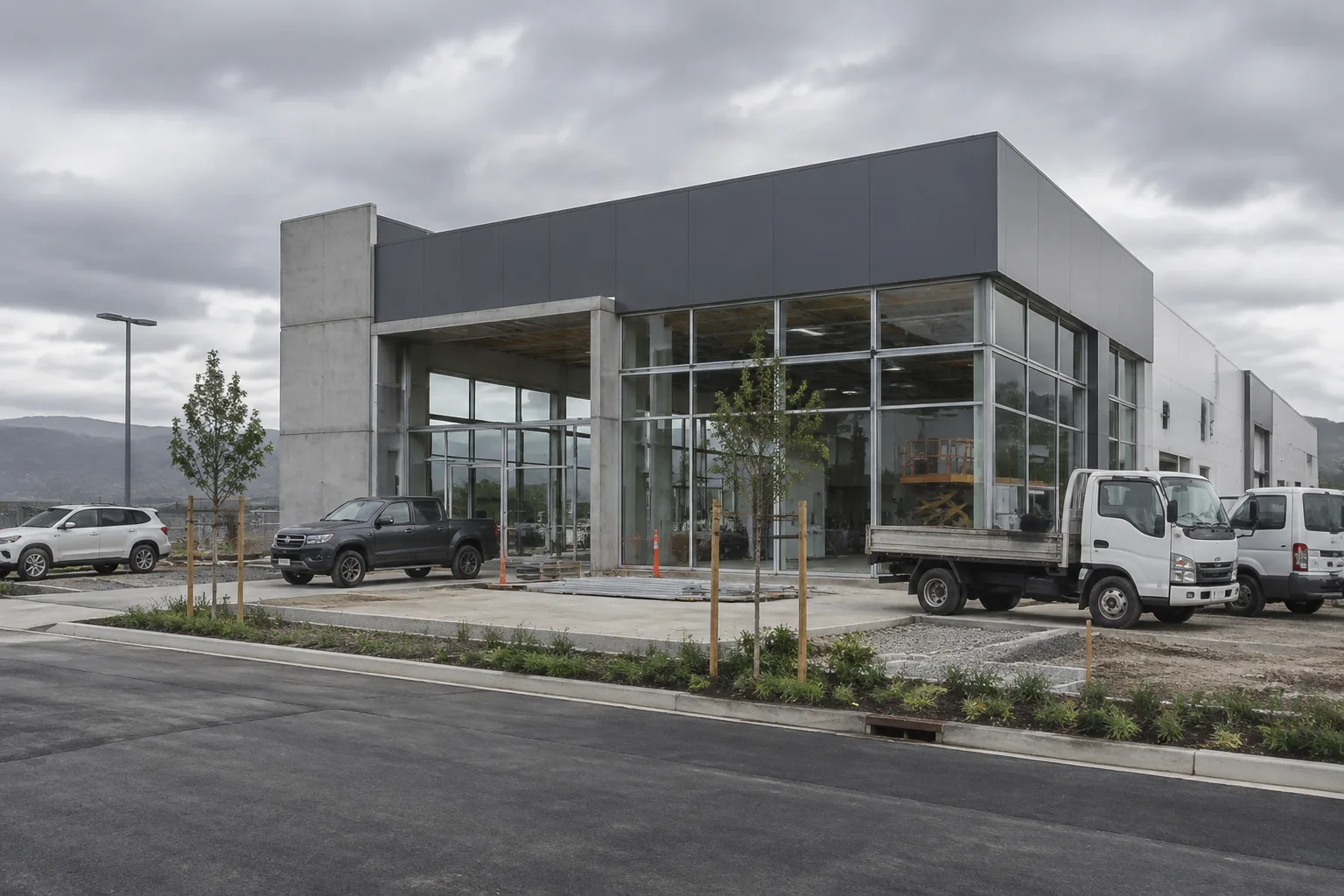
CMC is developing a new BYD facility in Christchurch as it redirects capital into assets it considers more productive. The project sits alongside its relationship with Ateco Automotive and BYD in Christchurch and other regional locations.
The distinction between a developing facility and an operating site matters. The Christchurch project is described as being in development, rather than as a newly opened dealership. It is therefore evidence of a capital commitment and portfolio direction, not a confirmed opening announcement.
The JAC move adds another element to that direction. By entering the light truck market with both electric and diesel models sourced from China, CMC is broadening its vehicle offering beyond the new BYD facility project.
Taken together, these developments show that the company’s response to competition involves both the vehicles it offers and the facilities needed to represent its brand partners. The reported changes concern specific relationships and investments, rather than a general promise of network expansion.
Ford and Mazda remain part of the plan
CMC’s established franchise relationships remain central to its response. Ford has confirmed the Transit City Van and Bronco for 2027, while Mazda is using its Changan Mazda joint venture to produce electric models, including the Mazda 6e.
Autotalk reported CMC’s view that these steps are strategically important, helping its major brand partners adapt through both new vehicles and a diversification of manufacturing capabilities. The company sees those changes as supporting the competitiveness of its dealers in the region.
That position gives important context to the addition of newer relationships. CMC is not treating adaptation solely as a matter of signing new brands. It is also looking to product and manufacturing changes within its existing partnerships.
The confirmed Ford models are future developments for 2027. They should be distinguished from CMC’s current portfolio decisions and the Christchurch facility now being developed.
Capital needs underpin the changes
CMC says it needs capital to maintain franchise facilities, meet working-capital requirements, support existing assets and establish sites for new brands. Those competing requirements explain why the allocation of investment features prominently in its response to market conditions.
The company expects the automotive market to remain highly competitive and difficult as it continues adapting its dealership portfolio. Its outlook is therefore cautious, even as it pursues new relationships and facilities.
For other franchise businesses, the useful distinction is between adding a brand and funding the commitments that accompany it. CMC’s account identifies existing facilities, working capital and new sites as simultaneous demands, rather than separate considerations.
Practical takeaway: When assessing a new franchise relationship, consider the capital required alongside existing commitments. Keep proposed facilities, future product arrivals and confirmed trading operations clearly separated in business planning.