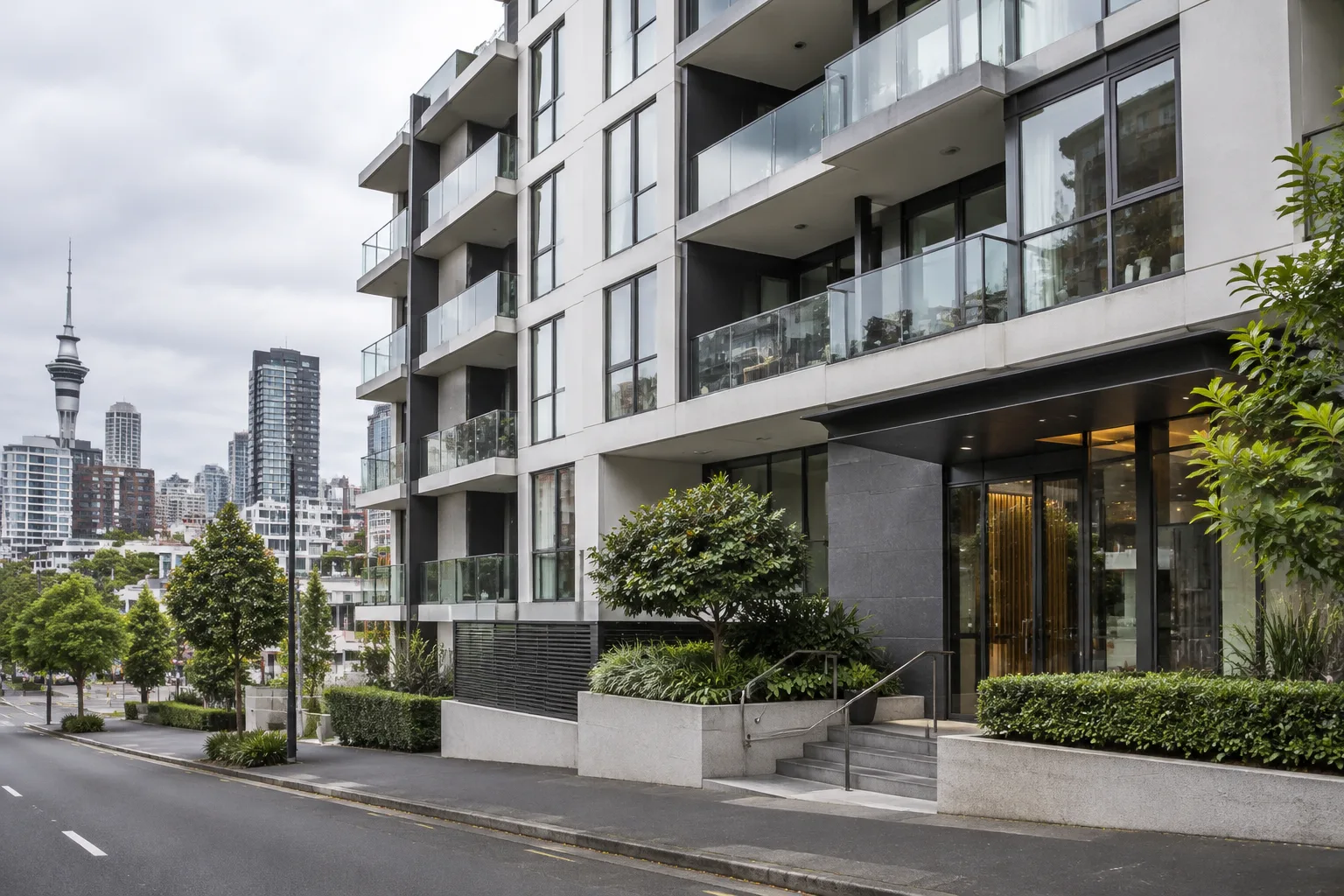
Marriott signs Dunedin hotel franchise deal with CP Group
Fable Dunedin is set to join Marriott’s Autograph Collection in December, marking the group’s arrival in the city through a CP Group franchise deal.
Published
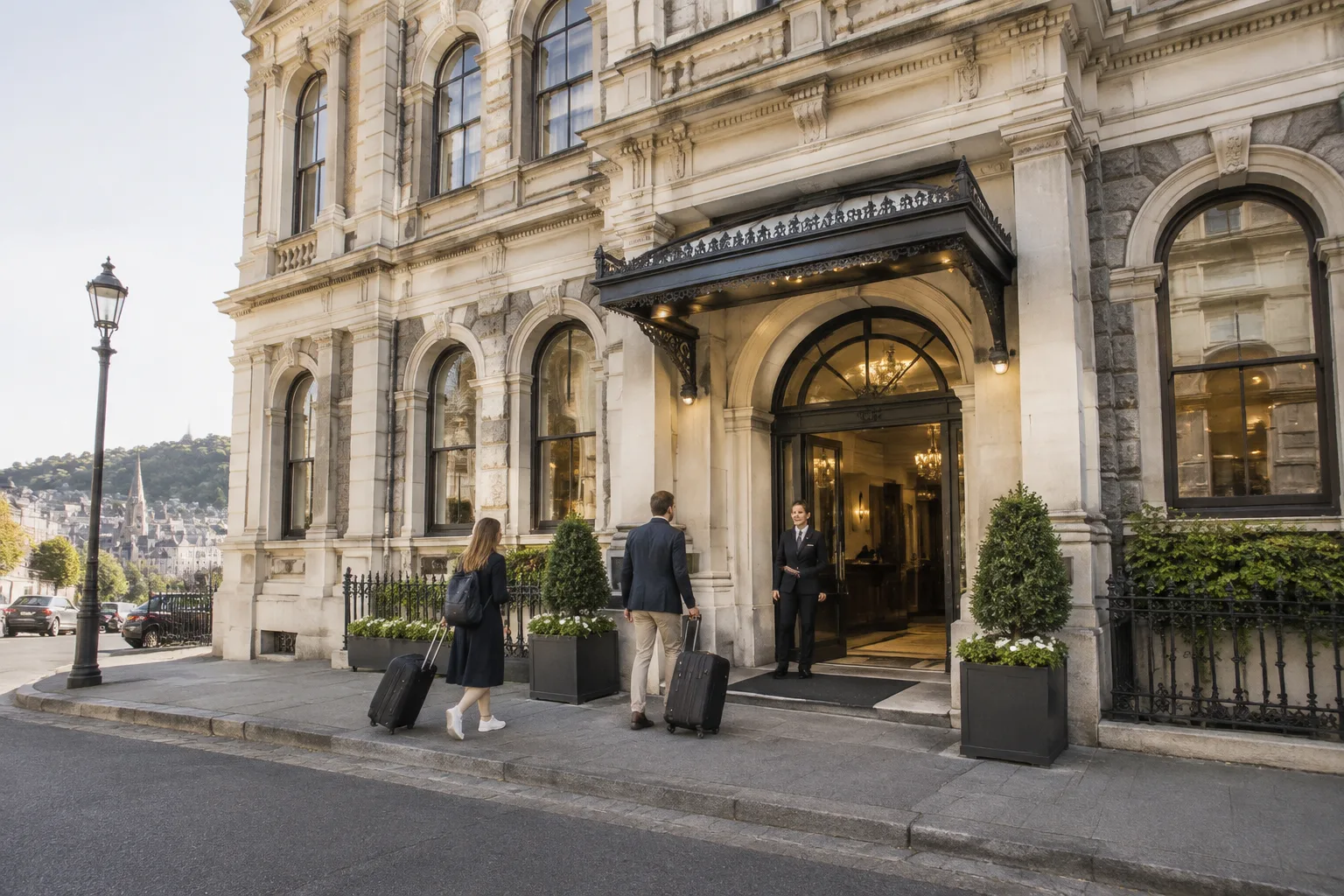
Marriott International has signed a franchise agreement with CP Group to bring Fable Dunedin into its Autograph Collection, marking Marriott’s debut in the Otago city. The existing five-star hotel is expected to join Marriott’s global distribution platforms in December 2026, adding Dunedin to the company’s growing New Zealand footprint.
An existing hotel joins an international network
The agreement, reported on 3 November by Gourmet on the Road and Travel Daily, concerns an established Dunedin property rather than a newly built hotel. Fable Dunedin has 50 guest rooms and suites, alongside The Press Club, its on-site restaurant and bar.
The property has previously been known as Wains and was once a Mercure. Its next chapter will bring it into Marriott’s Autograph Collection under the name Fable Dunedin, Autograph Collection.
That distinction matters when interpreting the announcement. Marriott is entering a new city, but the agreement does not represent 50 newly created hotel rooms. It brings an existing accommodation business into another international brand network through a franchise arrangement.
For New Zealand’s franchise community, the signing illustrates a route to network growth that differs from opening a new outlet: an established property can become part of a wider system while continuing to serve its existing destination.
December integration is the next milestone
The immediate operational milestone is the hotel’s expected integration into Marriott’s global distribution platforms from December. Both reports identify December as the planned timing, with Gourmet on the Road specifying the distribution-platform integration.
The franchise agreement and the integration timetable are distinct parts of the announcement. The agreement has been signed; the connection to Marriott’s platforms is the next expected step. The December timing should therefore be understood as a forward-looking plan rather than a completed change.
The news centres on the franchise relationship and distribution arrangements, not on the opening of a new building. The hotel’s 50 rooms and suites and its restaurant and bar provide the existing business around which that relationship will operate.
For anyone assessing a comparable franchise conversion, this is a useful distinction. Signing an agreement establishes the relationship, while the transition into the network’s systems is a separate practical consideration. Prospective partners should examine both stages rather than treating the signing date as the completion of every operational change.
Dunedin adds to Marriott’s New Zealand expansion
The Dunedin agreement builds on Marriott’s expansion in New Zealand with CP Group. It follows the September 2026 announcement of three property signings: Marriott Rotorua and Autograph Collection hotels in Wellington and Auckland.
The wider development picture also includes St. Regis Queenstown, which is currently in development. These projects place the Dunedin signing within a broader programme rather than presenting it as an isolated addition.
Richard Crawford, Marriott’s regional vice president for hotel development, described the anticipated scale of that growth in the Gourmet on the Road report. He said Marriott would have grown from a single property in Auckland in 2022 to a network of 10 expected hotels within a few short years.
The locations he identified were Auckland, Wellington, Christchurch, Queenstown, Rotorua and Dunedin. His wording is important: 10 hotels is the expected network, not a statement that all 10 are already operating. The Dunedin integration and the Queenstown development likewise have different milestones.
What the signing means for franchise observers
The clearest significance of the deal is geographic expansion through an existing hotel. Marriott gains its first Dunedin presence, while Fable Dunedin is set to enter the Autograph Collection and connect to the company’s global distribution platforms.
The announcement does not establish how that change will affect occupancy, room rates or profitability. Those outcomes should not be assumed from the brand affiliation alone.
Practical takeaway: When considering an established hotel’s move into a franchise network, separate the signed agreement, the systems-integration timetable and the commercial expectations. An international brand connection is a significant change, but it is not itself evidence of future financial performance.