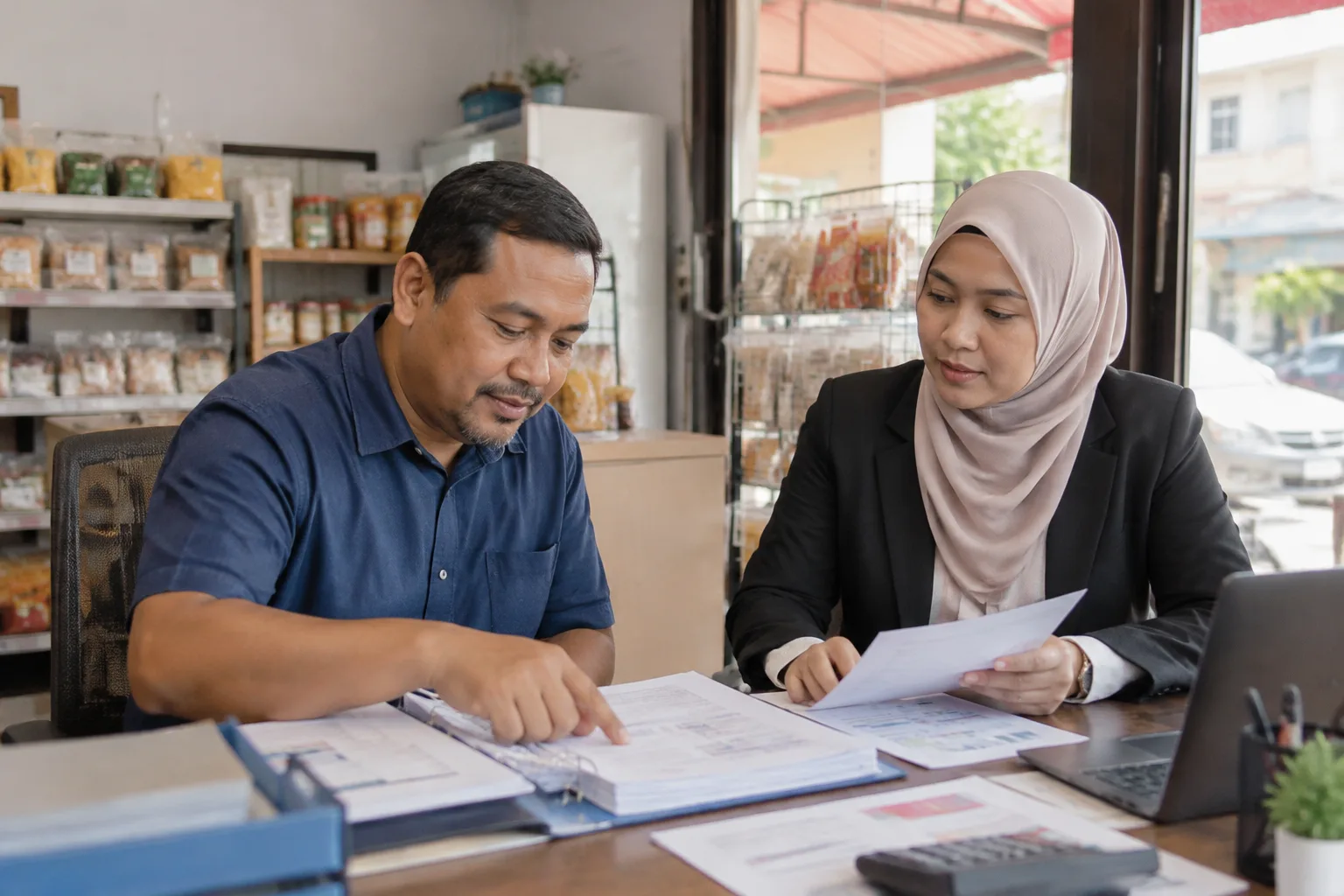
Check Premises Licences Before Opening a Franchise Outlet in Malaysia
Franchise registration is not permission to open an outlet. Set clear responsibilities, gather evidence of approvals and complete checks before the first outlet starts trading.
Published

When an established business is ready to build a franchise network, premises licensing is often treated as a minor task that can wait until after the fit-out. This assumption can delay an opening even when agreements have been signed and staff recruited. Before handing an outlet over to a franchisee, establish a process that distinguishes franchise registration from permission to carry out activities at a particular premises. The aim is to ensure everyone knows what needs approval, who is responsible and when operations can begin.
1. Distinguish franchise registration from operating licences
Malaysia regulates franchising through the Franchise Act 1998 (Act 590), including amendments that came into force on 28 April 2022. Under section 6, a franchisor must register the franchise with the Registrar of Franchises before operating a franchise business or offering a franchise for sale.
However, this registration does not replace the licences or permits required to conduct business at a particular premises. Registering a company with the Companies Commission of Malaysia is likewise no substitute for the relevant operating approvals.
Premises requirements depend on the actual activities, location and authorities with jurisdiction. They may include a business premises licence, a signboard licence or permit, and approvals relating to alterations and building use. Do not assume that all local authorities use the same licence names, forms or conditions.
For food businesses, checks must also take account of the Food Act 1983 and the Food Hygiene Regulations 2009, including applicable obligations relating to food premises and food handlers. These are separate from obligations under the Franchise Act.
Key principle: do not assume that a licence for a founder-owned outlet covers a franchisee’s outlet or can be transferred automatically to another entity.
2. Build an approvals matrix based on actual activities
Start by listing the activities that will take place at the outlet, rather than relying solely on the name of the business concept. A shop selling only packaged food may face different requirements from premises where food is cooked, raw ingredients are stored and seating is provided for diners.
Use a simple matrix with the following fields:
- Activity: what will actually take place at the premises.
- Authority: the agency or local authority to consult.
- Requirement: the relevant licence, permit, registration or inspection.
- Applicant: the entity that must be named in the application.
- Supporting documents: plans, company information or other evidence requested.
- Dependencies: approvals that must be obtained before the next step.
- Evidence of completion: documents showing that requirements have been met.
Seek confirmation from the relevant authority if the scope of an activity is unclear. Keep written responses where available, together with the date of the check and details of the officer or official channel consulted.
For example, adding a kitchen to a drinks outlet is more than a change of layout. It may trigger additional requirements relating to ventilation, hygiene or building works. Check the implications before the franchisee places equipment orders that are difficult to cancel.
Use this matrix as a template for your franchise network, but require outlet-specific verification in every case. Experience with the original premises is a starting point, not a guarantee of approval elsewhere.
3. Allocate responsibilities before committing expenditure
Phrases such as “the franchisor will help obtain licences” are too vague to guide the work. Clarify whether that help means supplying plans, reviewing documents, arranging consultants or submitting applications on the franchisee’s behalf where permitted.
In the franchise agreement and opening checklist, specify who pays application fees, inspection costs, remedial work and the cost of resubmitting applications. Distinguish fees charged by authorities from service charges imposed by consultants or contractors. Avoid quoting a fixed total before obtaining information relevant to the actual premises.
Build the timetable around dependencies, rather than the desired launch date alone. Identify which documents are needed before an application can be submitted and which inspections can only take place once particular works are complete.
Also agree what happens if approval is delayed or an application is rejected. Who will liaise with the authority? Who will approve design changes? At what point should the franchisee postpone stock purchases or opening announcements?
Ask a lawyer to review this allocation of responsibilities. An agreement can divide work and costs between the parties, but it cannot override statutory obligations or guarantee an authority’s decision.
4. Make pre-opening checks mandatory
Do not accept “the application has been submitted” as evidence that operations are authorised. Before opening, a designated person should review copies of the approvals and their conditions.
Ensure that the entity name, address, approved activities and validity period match the outlet’s operations. Check any conditions that still need to be met. The franchisor’s internal consent to open an outlet is not approval from the authorities.
Record the opening decision in writing. If a requirement remains outstanding, determine whether it prevents operations from starting based on confirmation from the authority or appropriate professional advice, not assumptions made by the sales team.
After opening, record expiry dates, renewal responsibilities and document storage locations in the outlet register. Review requirements whenever there is a change of entity, a change in activities or major alterations to the premises.
Practical takeaway: before allowing the first franchise outlet to open, complete an approvals matrix and compile a file of supporting evidence for the premises. A clear process protects franchisees from premature expenditure and helps the franchise network grow in a more orderly way.
Sources
- What is a franchise? A guide for Malaysian small businesses - Xero
- Akta 590 - Akta Francais 1998 (Muktamad 9.9.2022)
- International Franchise Law Tracker - Malaysia
- Legal Issues in Franchise Framework - Azmi & Associates
- FRANCHISE
- Setting Up A Franchise Business In Malaysia
- Malaysia: Franchise & Licensing – Country Comparative Guides
- 2-format-dokumen-penzahiran-francais-_fdd_.doc - KPDN