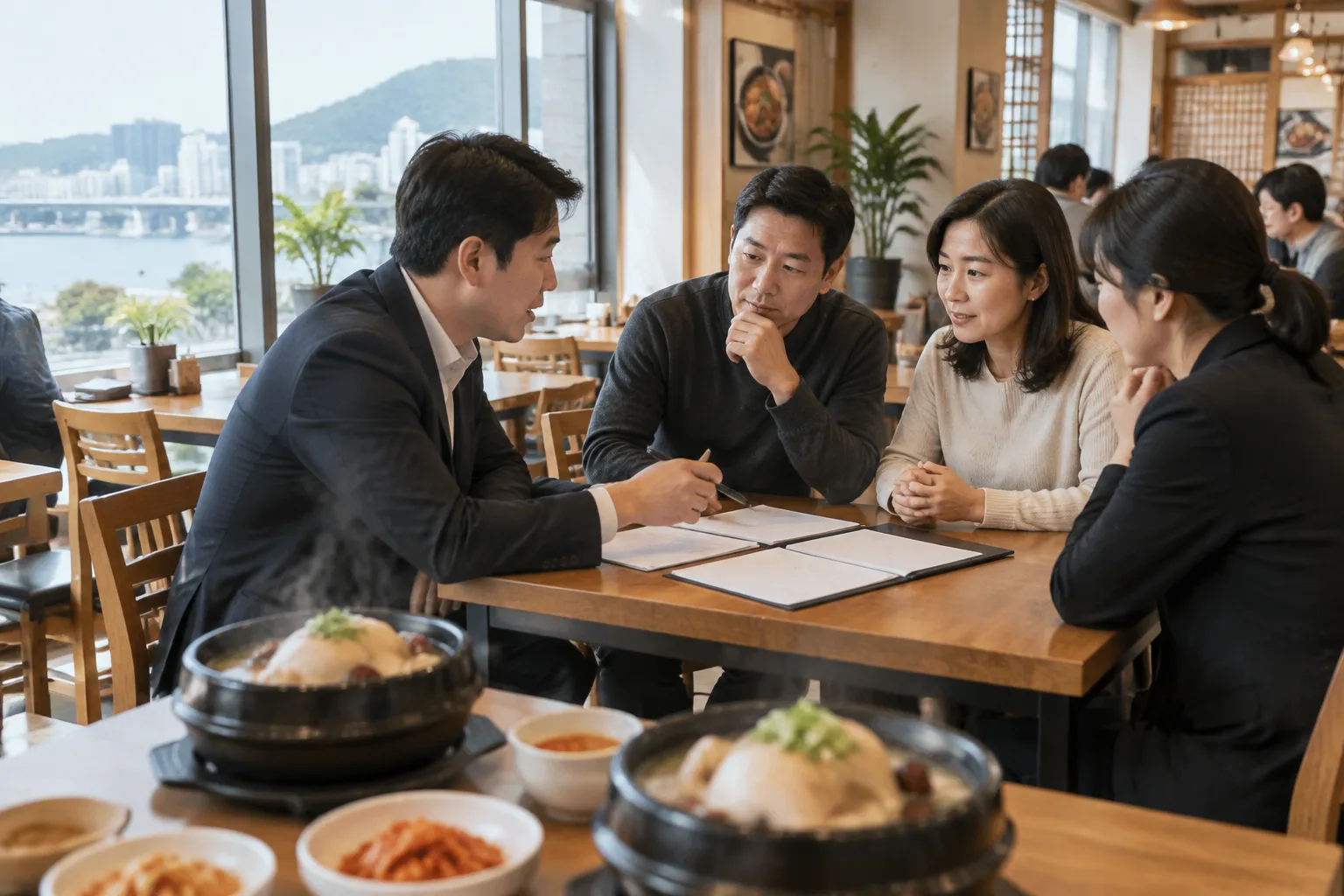
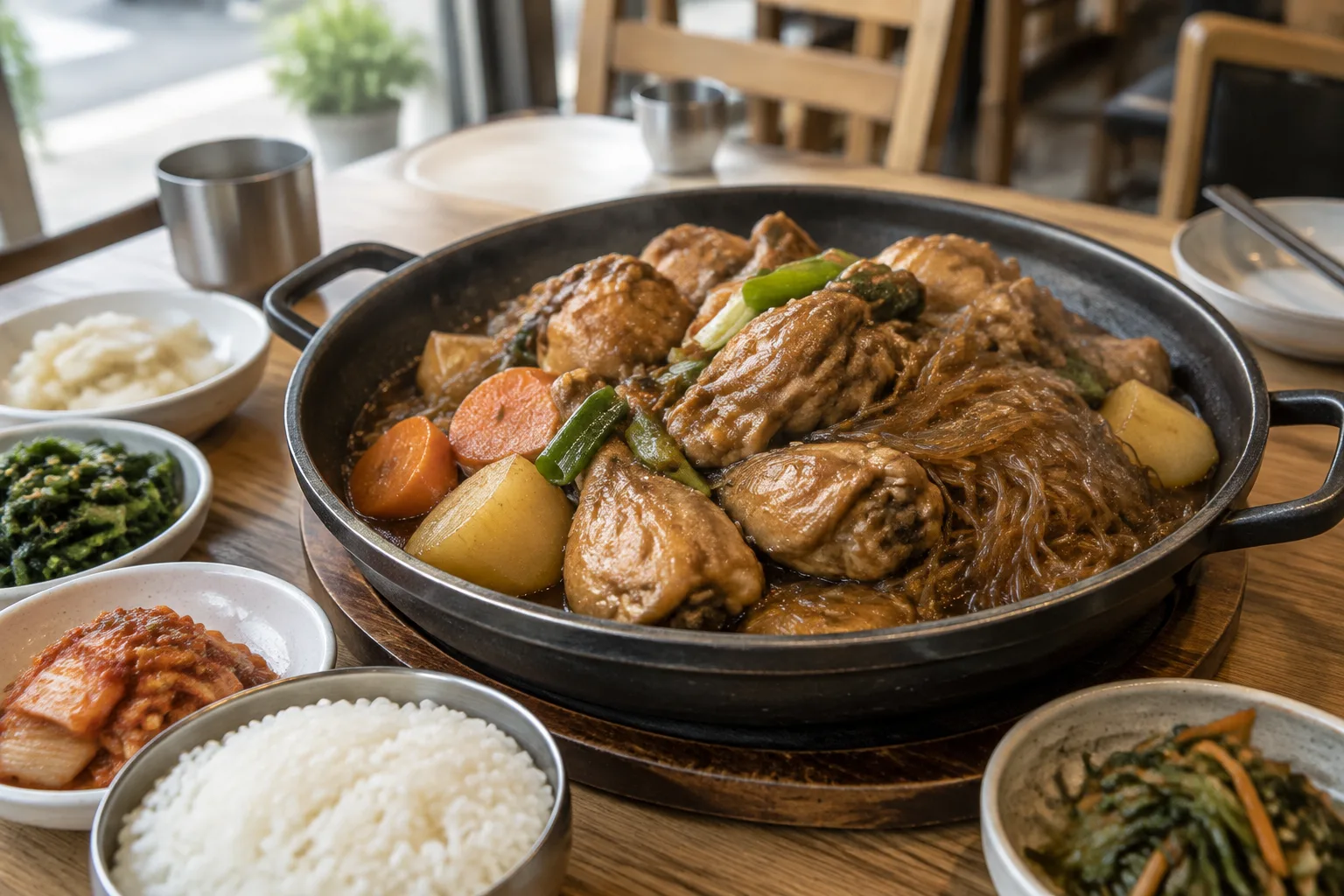
CJ Sobaba product names spark dispute as franchise association calls for halt to labelling and advertising
CJ CheilJedang’s Sobaba range faces criticism over names and concepts said to resemble signature dishes at chicken franchises. A trade association has called for the disputed names, labelling and advertising to be withdrawn.
Published
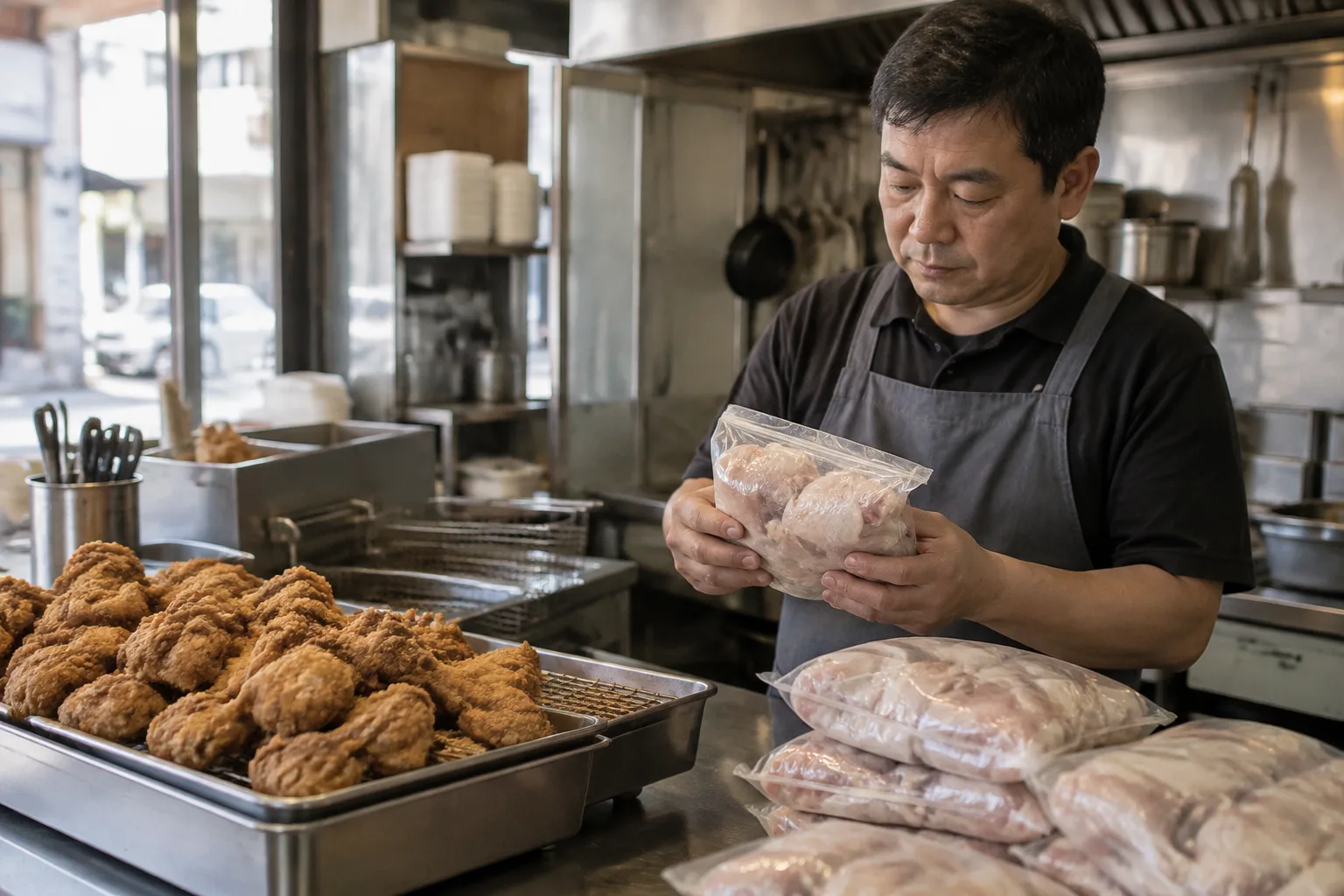
CJ CheilJedang’s frozen chicken brand Sobaba has sparked a debate within South Korea’s chicken franchise sector over the protection of menu names. At issue are product names and concepts said to evoke established brands’ signature dishes. The Korea Franchise Association has issued an official statement raising its concerns and demanding an end to the use of the disputed product names and associated labelling and advertising.
Sobaba’s expanding range prompts claims of similarity
According to a report in The Korea Economic Daily on 12 November, CJ CheilJedang has steadily expanded the Sobaba range since launching it in June. Several products were cited in the dispute, including ‘Ppurizzling’, a boneless chicken product with cheese-and-onion seasoning launched in October. The concerns extend beyond a single name: critics point to a succession of products that they say evoke signature dishes from different chicken franchises.
The products named in the report were ‘Ppurizzling’, ‘Golden Holic’, ‘Jamaica Chicken’, ‘Chilli Crispy Chicken’, ‘Soy Honey Boneless’ and ‘Masso Kick Boneless’. Chicken franchise representatives and some consumers have suggested that these names and concepts resemble signature menu items at established chicken chains. The concern is less about frozen chicken as a product category than about whether the names and flavour descriptions bring particular franchise dishes to mind.
The menu items cited for comparison were bhc’s ‘Bburinkle’ and ‘Matchoking’, BBQ’s ‘Golden Olive Chicken’ and ‘Jamaican Grilled Whole Chicken Legs’, Goobne Chicken’s ‘Gochu Basasak’, and Kyochon Chicken’s ‘Honey Series’. These comparisons, however, reflect the claims of those alleging similarities. A claim that a name or concept evokes an existing menu item should be distinguished from a finding that legal rights have been infringed.
The report centres on the association’s objections and its demand for action on the basis of those comparisons. It would therefore be inappropriate to describe the case as a confirmed infringement by a particular company, or to assume that sales of the products have stopped. The fact that concerns have been raised and any subsequent action require separate verification.
Association alleges ‘free-riding on brand recognition and trust’
In its official statement, the association criticised what it described as ‘a global food conglomerate free-riding on the brand recognition and trust of relatively smaller foodservice businesses to make easy profits’. Its central claim is that another company is benefiting from the recognition and consumer trust built through those businesses’ product development efforts.
The association framed the issue as a threat to the livelihoods of small independent business owners. From its perspective, recognition of a signature dish matters not only to the franchisor but also to the franchisees selling it. Its demands therefore went beyond an expression of concern: it called on CJ CheilJedang to stop using the disputed product names and associated labelling and advertising immediately.
Notably, the demand covers labelling and advertising as well as names. This suggests that the association wants scrutiny not just of similarities between individual words, but of whether the overall presentation of a product draws on an established brand’s image. That is the scope of the association’s complaint, however, not confirmation that any particular label or advertisement is unlawful.
From a franchisee’s perspective, concerns must also be separated from demonstrated effects. The association’s emphasis on livelihoods does not establish that any particular outlet has lost sales or customers. Its objection should be understood as an argument for protecting brand assets; explaining any effect on outlet profitability would require separate evidence.
Nor should the association’s demands be treated as the individual position of every brand or franchisee. The action confirmed in the report is the association’s publication of an official statement. When assessing responses by individual franchisors or subsequent action by franchisees, it remains important to distinguish who has announced what.
Counterargument: similar products can expand the market
The report also presented a counterargument: launching so-called ‘me-too products’ with similar concepts is an established practice in the food market, and such products can sometimes increase overall demand. On this view, the appearance of products that evoke existing menu items does not, by itself, mean that all their effects are negative.
This argument and the association’s criticism focus on different questions. The association objects to the use of recognition and trust built by existing brands. The market-expansion argument, by contrast, emphasises the possibility that more products with similar flavours or concepts could broaden consumer choice. The potential for greater choice and the need to protect brands should be considered separately.
However, the possibility of market expansion is not evidence of the actual effect of these Sobaba products. The interpretation could differ depending on whether frozen chicken purchases replace orders from chicken outlets or create additional occasions for consumption. In either case, a possible outcome should not be presented as an established result.
This is also why the dispute cannot readily be reduced to a confrontation between a large corporation and franchisees. Similarity between product concepts, consumers’ brand associations and the impact on individual outlets are connected, but they are not the same question. Any further discussion within the franchise sector will need evidence specific to each issue.
Practical issues for franchisors and outlets to review
For franchisors, the dispute may provide an opportunity to review the names of signature dishes and how they are promoted. A useful approach is to distinguish wording that is central to identifying the brand from generic descriptions of flavour or cooking methods. Records of when a menu item was introduced, the name used and the features highlighted in promotional materials may also support that review.
Franchisees should take care not to confuse disputed claims with established facts when answering customer questions. Rather than immediately describing another company’s product as an illegal copy, it would be more accurate to explain that the association has raised concerns about similarities and called for the disputed names, labelling and advertising to be withdrawn. Outlets needing a prepared response could also consult their franchisor’s official guidance.
When assessing the effect on outlet operations, it is helpful to distinguish general impressions from recorded observations. Keeping a record of relevant customer enquiries and the products customers compare could provide concrete information for future discussions with the franchisor. However, changes in orders over a particular period should not automatically be attributed to another product’s launch.
The practical priority is to review menu names and promotional materials while keeping the association’s allegations, actual sales effects and any legal finding of infringement separate. Even where concerns about brand protection are shared, customer communications and outlet responses should remain grounded in verified facts.