LifeFit reaches around 500 gyms across Japan, outlining its company-owned and franchise expansion strategy
On 15 October, XTech Ventures released the first half of a discussion with FiT founder Keita Kato, exploring LifeFit’s expansion to around 500 gyms across Japan and its growth model combining company-owned and franchised sites.
Published
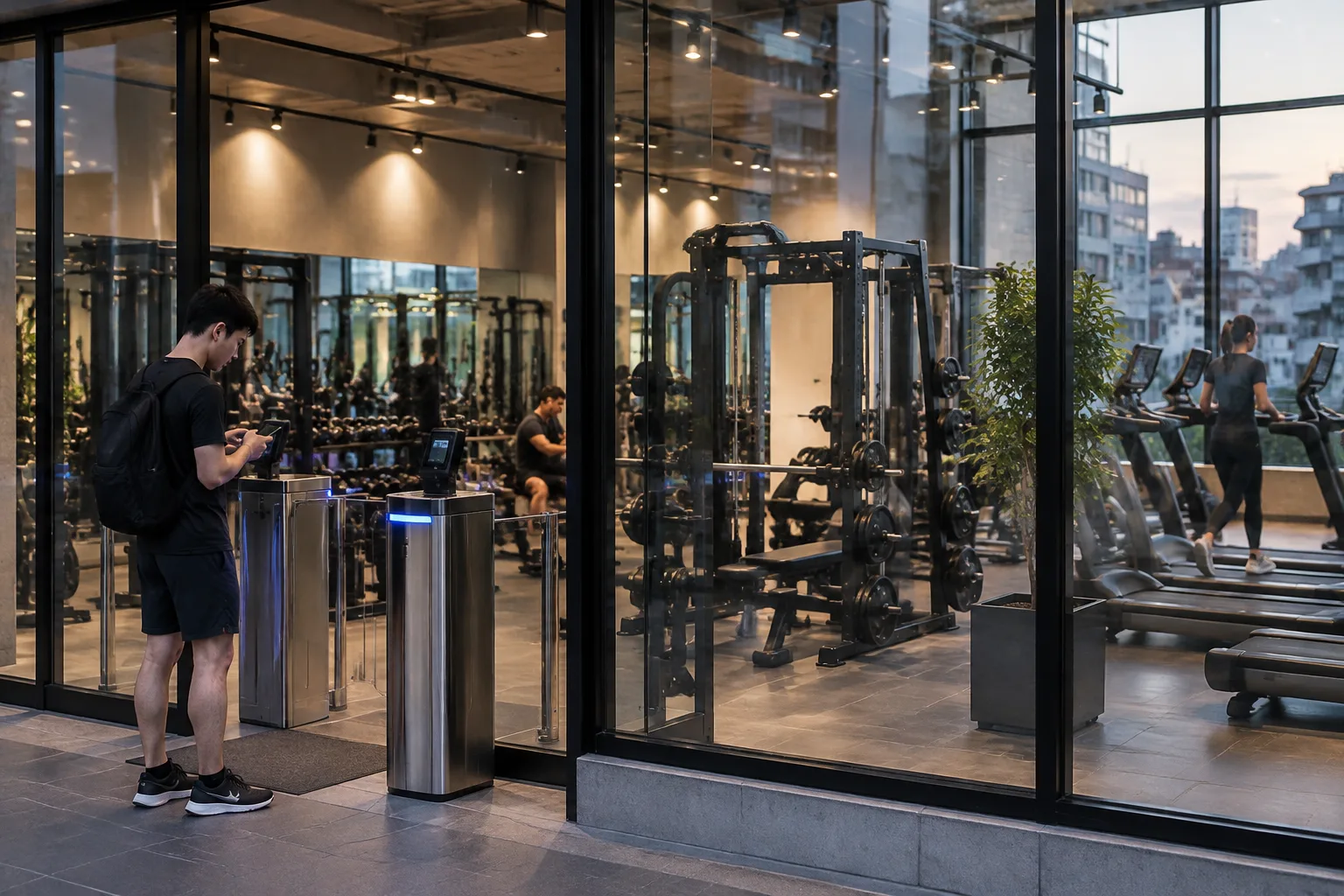
FiT’s expansion strategy for its 24-hour gym brand, LifeFit, was featured in a discussion released by XTech Ventures on 15 October 2026. According to the accompanying webpage, LifeFit has grown to around 500 locations across Japan in approximately four and a half years since its launch in 2022, and is currently opening one gym a day. Its combination of company-owned and franchised sites is a key point of interest for those considering Japan’s franchise market.
From its first Kyoto gym to around 500 locations in four and a half years
The release is the first half of a discussion featuring FiT founder Keita Kato. Entitled ‘Opening near competitors: a new approach to location-based businesses — LifeFit’s expansion strategy and its company-owned and franchise model’, it explores the thinking behind the growing network.
While studying at Kyoto University’s Faculty of Medicine, Kato set up personal training gyms and gyms aimed at students. In December 2020, he founded LifeCoach, the predecessor to FiT, before opening the first LifeFit gym in Kyoto in February 2022.
The webpage puts the network at around 500 locations nationwide, describing LifeFit as Japan’s third-largest 24-hour gym chain by number of sites. Reaching that scale in roughly four and a half years after the first opening illustrates the speed of its expansion.
However, the figure of around 500 refers to the entire LifeFit network, not just franchised gyms. To understand its scale accurately, it is important to read this alongside the explanation that growth has come through both company-owned and franchised sites. The rate of one opening a day also reflects the position at the time of publication.
A 24-hour gym with app-based registration and access
One feature highlighted is LifeFit’s app-based system, which handles everything from membership registration to entering and leaving the gym. The brand combines a physical, 24-hour fitness service with digital tools for managing access and membership procedures.
Under its mission of ‘bringing fitness into everyday life’, FiT aims to make support for better health part of society’s infrastructure through fitness and IT. Beyond the number of gyms, the app’s role in helping members start using facilities and continue attending is another important aspect of the brand’s model.
Prospective franchisees should examine these processes alongside equipment and location. Understanding which tasks are handled entirely through the app and which remain the responsibility of the gym is a starting point for assessing day-to-day operations.
The discussion’s introduction also lists the mechanisms behind a low break-even point among its themes. App-based service design and the financial structure of individual gyms are separate issues worth examining. The size of the network alone does not establish the profitability of each site; operating arrangements and financial performance need to be assessed separately.
An expansion strategy built around opening near competitors
The discussion’s title foregrounds the idea of opening near competing gyms. Its description promises to explore a ‘winning formula for new openings’ identified through early failures, placing proximity to competitors at the centre of the site-selection discussion.
This deserves consideration independently of LifeFit’s total gym count. Around 500 locations indicates the scale of the network, whereas expansion strategy concerns how individual premises and catchment areas are selected. For prospective franchisees, separating the two helps clarify what to ask the franchisor.
That said, ‘near competitors’ should not be treated as a location criterion that applies universally to every area or property. In practice, prospective franchisees should establish how the franchisor assesses a proposed site and how it explains its decision. The discussion’s focus on early failures and successful opening patterns is an opportunity to examine the decision-making process, rather than simply the number of successful gyms.
Company-owned and franchised gyms as a combined growth model
The webpage explains that LifeFit has expanded through both company-owned and franchised locations. The discussion examines this combined growth model and also includes FiT’s capital and business alliance with Tokyo Metro among its themes.
The news here is not a single gym opening or a new franchise recruitment campaign. Rather, it is FiT’s founder appearing in a discussion to explain the expansion strategy and business model behind the growing network. Its scale of around 500 gyms, current opening rate, app-based member processes and mix of company-owned and franchised sites are presented as elements of one growth model.
For those assessing franchise opportunities in Japan, this offers a basis for considering not only the pace of expansion, but also how the franchisor’s location decisions connect with franchisees’ operations. When comparing brands that use both company-owned and franchised outlets, it is essential to look beyond total site numbers and examine the role of each format and the operational support provided.
Practical takeaway: When considering joining the franchise or opening an additional gym, assess the business plan for the individual site separately from the network’s overall scale of around 500 locations. Ask the franchisor to explain the rationale for the proposed location, the assumptions behind its break-even point, and how responsibilities are divided between the app and on-site operations.