Salone Franchising Milano 2026: nine webinars beyond the exhibition
The 39th edition aims to build year-round relationships through nine webinars, training and access to finance, with a focus on the quality of contacts.
Published
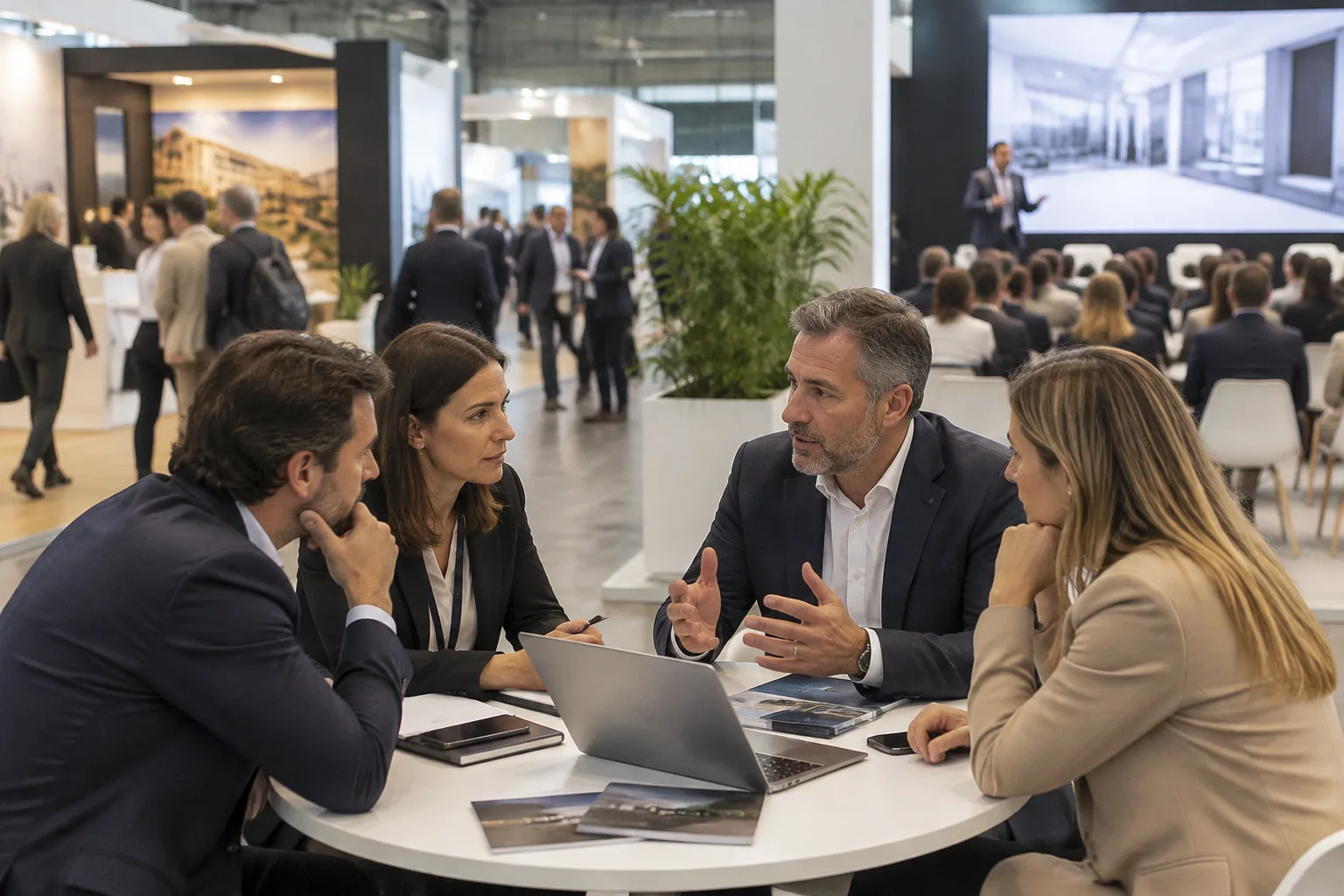
Salone Franchising Milano, Milan’s franchising exhibition, aims to move beyond the traditional three-day event. For its 39th edition in 2026, the plan is to create a year-round networking platform supported by nine themed webinars. Francesca Cavallo, Head of Hospitality Exhibition at Fiera Milano, outlined the new approach in an interview with the FacileFranchising podcast: training, access to finance and business opportunities are at its core.
Nine webinars to keep conversations going
The most concrete new initiative is a programme of nine webinars, the first of which had already got under way at the time of the interview. The stated aim is to maintain ongoing relationships with franchisors and franchisees, extending discussions beyond the exhibition itself.
The change is therefore about sustaining those relationships over time. The exhibition remains an opportunity to meet, but becomes part of a longer process in which themed content can support dialogue between franchise brands and entrepreneurs interested in joining their networks. Rather than simply bringing meetings together over a few days, the approach seeks to keep conversations going throughout the year.
For the franchising community, this highlights a useful distinction: getting to know a brand is not the same as assessing a business venture. An ongoing programme can offer opportunities to explore matters in depth, while face-to-face meetings allow relationships to begin or develop. This complementary role underpins the shift Cavallo describes.
Training, finance and business opportunities
The three pillars identified for the 2026 edition are training, access to finance and business opportunities. This brings together entrepreneurs’ preparation, the question of funding and the chance to meet franchise networks with a view to exploring a potential partnership.
These are distinct areas and should not be conflated. Training helps prospective franchisees frame their questions; discussions about finance concern the financial viability of a venture; and business opportunities open up dialogue with brands. Announcing these pillars sets out the event’s direction, but does not amount to a promise of securing funding or signing a franchise agreement.
For anyone considering entering the franchising market, the value of such a programme therefore lies in the opportunity to approach the decision from several angles. The emphasis on finance, in particular, is a reminder not to separate interest in a brand from an assessment of the resources required. Preparation and commercial discussions thus become two parts of the same assessment, rather than separate appointments.
The quality of contacts matters
In the interview, Cavallo sets out a clear priority: focusing on the quality of contacts rather than visitor numbers. This shifts attention from footfall alone to the relevance of meetings between exhibitors and prospective franchisees.
Audience profiling and a survey conducted with an external agency to understand exhibitors’ and visitors’ needs form part of this approach. Listening to both groups is therefore being built into the event’s development. No numerical survey findings are presented in the interview: the emphasis is on the method used to gather participants’ requirements.
A high-quality contact should not, however, be confused with a guaranteed contract. For a prospective franchisee, a relevant meeting should help establish whether further investigation is worthwhile; for a franchise network, it should help assess whether the candidate is a good fit for its business. These are practical ways to interpret the stated objective without assuming what the outcomes will be.
Towards a festival for the franchising community
Discussions with franchisors have also prompted the idea of turning the exhibition into something closer to a franchising festival. This is a possibility raised in the interview and should be distinguished from the concrete initiatives already outlined, such as the nine-webinar series.
The overall direction is to complement business meetings with content and more regular opportunities to build relationships. Training, listening to participants and focusing on relevant contacts are all part of a plan intended to give the event a role beyond the exhibition calendar.
Practical tip: anyone considering a franchise can prepare a list of questions before meetings covering the investment required, support from the network and whether the venture is compatible with their available resources. Use the webinars and exhibition to explore these questions, not as substitutes for financial and contractual due diligence.