Pizzicata relaunches its franchise offering with three pizzeria formats
From takeaway outlets to pizzerias with table service, Pizzicata offers three formats, dedicated training and support for franchisees.
Published
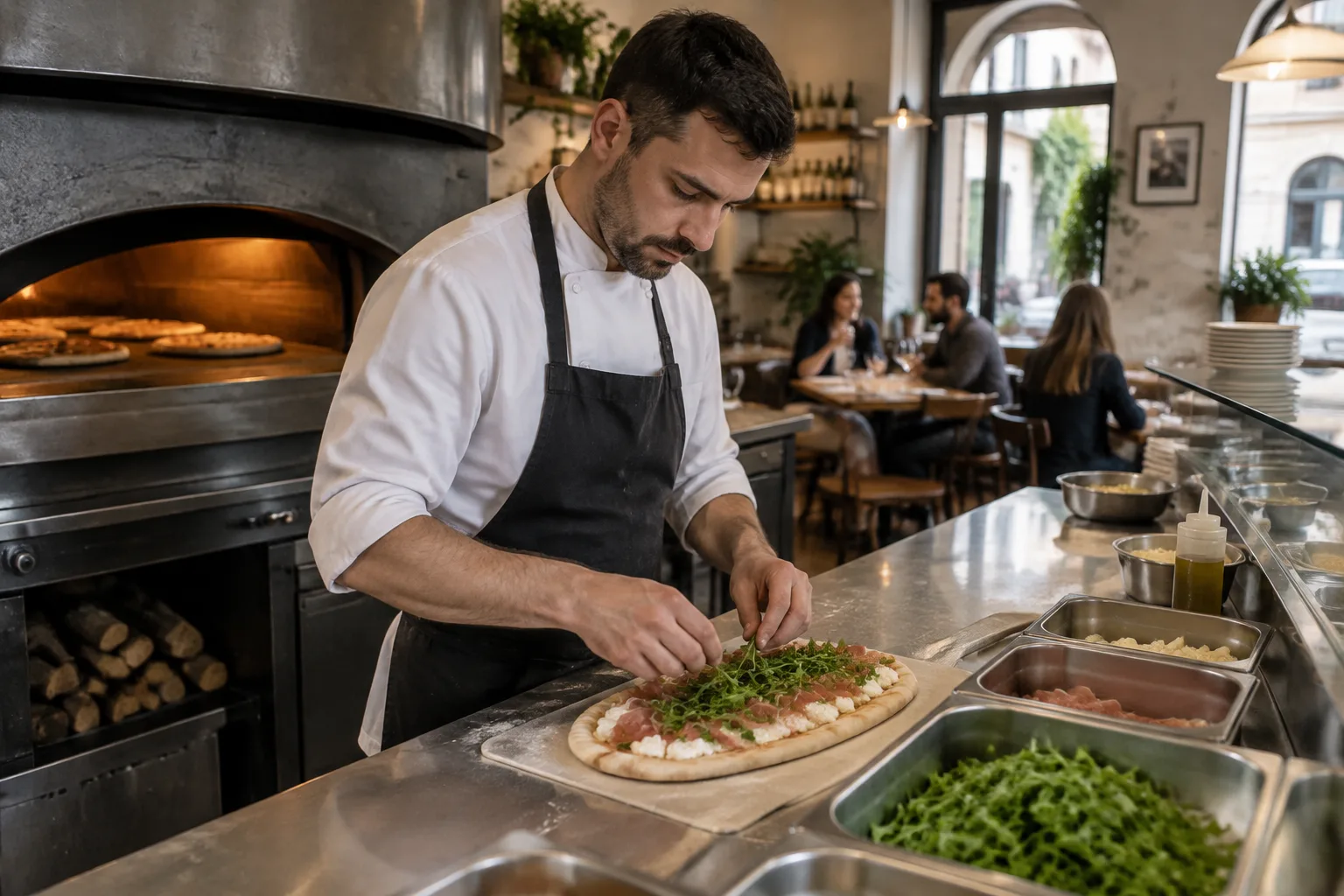
Pizzicata is relaunching its franchise offering with a dedicated portal for prospective franchisees and three outlet formats. The pizza and Roman-style pinsa brand from Umbria, Italy, offers options ranging from a small takeaway-focused outlet to a pizzeria with table service. Ready-made bases, standardised procedures and training are central to the concept, with the aim of making the model replicable in Italy and abroad.
An Umbrian concept for new openings and conversions
The offering, outlined by L’Express Franchise on 10 November 2026, is run by Good in Food Srl, a company based in Fossato di Vico, in the province of Perugia, which operates in professional catering and kitchen design.
Pizzicata targets two groups: those looking to start a business from scratch and restaurateurs interested in converting an existing venue. According to the brand, previous experience in restaurant franchising is not required, nor do applicants need to have already found premises: the planned process also includes help with finding a location.
The offering makes a clear distinction between the product and the way each outlet operates. Pizza and Roman-style pinsa remain the common foundation, while floor space, staffing and service styles vary. Rather than applying a single format to every location, the approach is to choose between three models according to the available premises and local customer base.
Three formats, from takeaway to table service
The Compact model calls for 50–80 square metres of floor space and an indicative team of 2–3 people. It focuses on takeaway and home delivery, with the option of a small eat-in area. Suggested locations include residential neighbourhoods and densely populated urban areas.
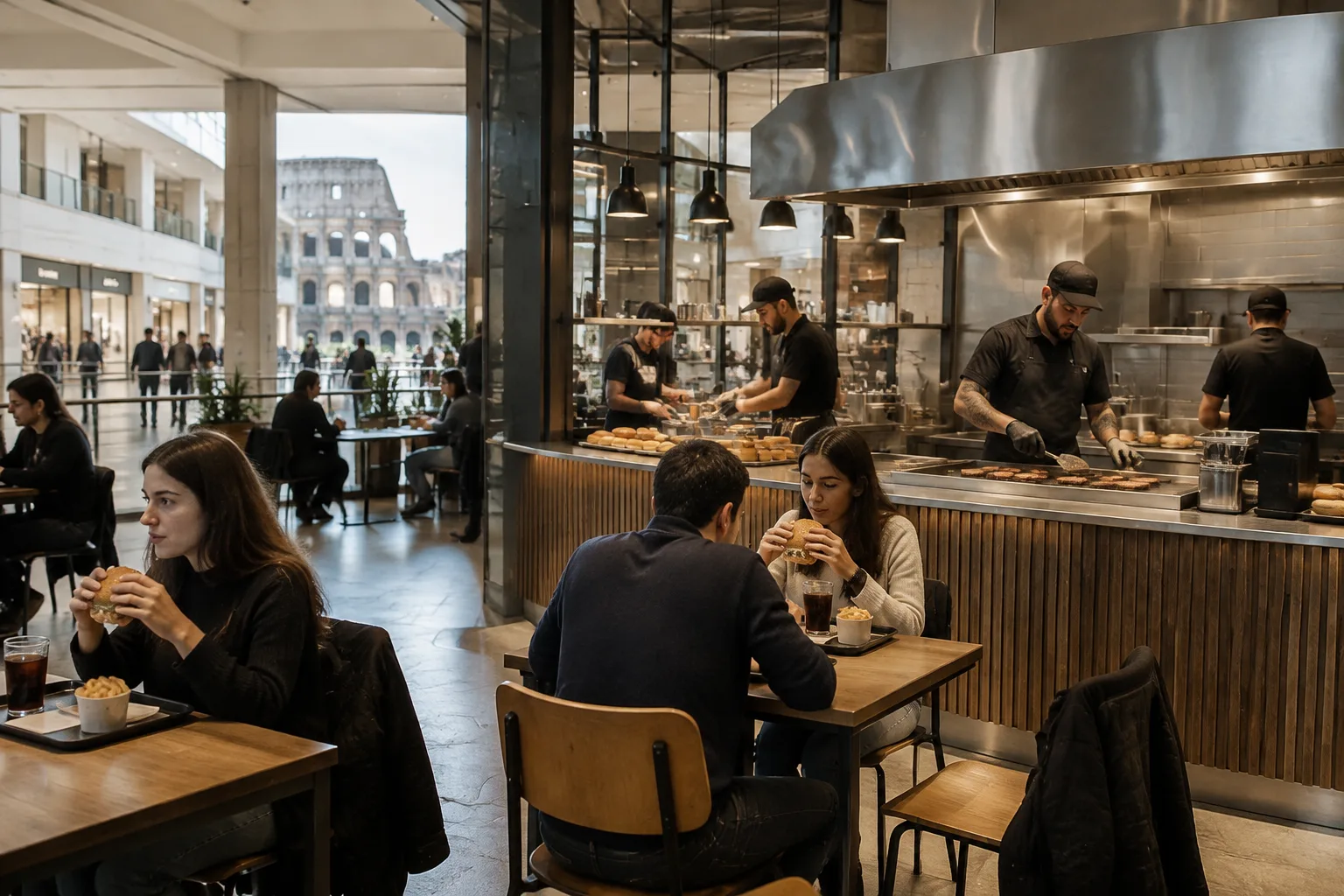
The Fast Casual format increases this to 90–130 square metres, with 4–5 people. It combines counter ordering, self-service, seating and takeaway. Suggested locations include shopping centre food courts, shopping streets and railway stations — settings where the brand proposes a different operating model from traditional table service.
The Full Experience format requires more than 140 square metres and a team of 6–8 people. It includes table service, a bar, and a wine and beer list. Suggested settings include cities, tourist areas and locations where the pizzeria can become a destination in its own right.
These differences are central to assessing the offering. The floor space and staffing guidelines describe three distinct operating models, not simply three sizes of the same outlet. Prospective franchisees should therefore start by considering the type of service they want to offer and whether it suits the space available.
Ready-made bases, training and ongoing support
All three formats share the same products, procedures and training. The use of ready-made bases and standardised processes is the stated cornerstone of the model: Pizzicata relies on these elements to replicate the business across different locations.
The franchisor outlines a six-stage support programme, from assessing the local market to providing support after opening. Training is delivered through the Good in Food Academy, while the brand specifies Rinaldi professional ovens for baking.
For those considering a conversion, the operational question is how the existing premises can accommodate the chosen format. For those starting from scratch, finding a location and assessing the local market are preliminary steps in shaping the project. In both cases, training is part of the package shared by all three models.
Investment to be confirmed and international development
Joining the network involves an initial franchise fee, which also includes the agreed territorial exclusivity. Figures are not publicly available: the investment varies according to the format and the condition of the premises, and is only determined after a feasibility study.
There is therefore no single start-up cost for the offering. A quotation for the individual location is essential when comparing the options, alongside a clear definition of the exclusive territory.
Internationally, Pizzicata is also considering master franchising, with a single partner responsible for developing an entire country. This is an option within the project, separate from applying to open an individual outlet.
Practical tip: before choosing a format, request a feasibility study, a detailed investment breakdown and the boundaries of the exclusive territory. These should be considered alongside floor space, staffing and service style when assessing the offering for your local market.