DJKI Wins Government Support Award at IFBC 2026
Indonesia’s DJKI has won the IFBC Best Government Support 2026 award. A collaboration launched in 2025 brings intellectual property advice to the franchise community.
Published
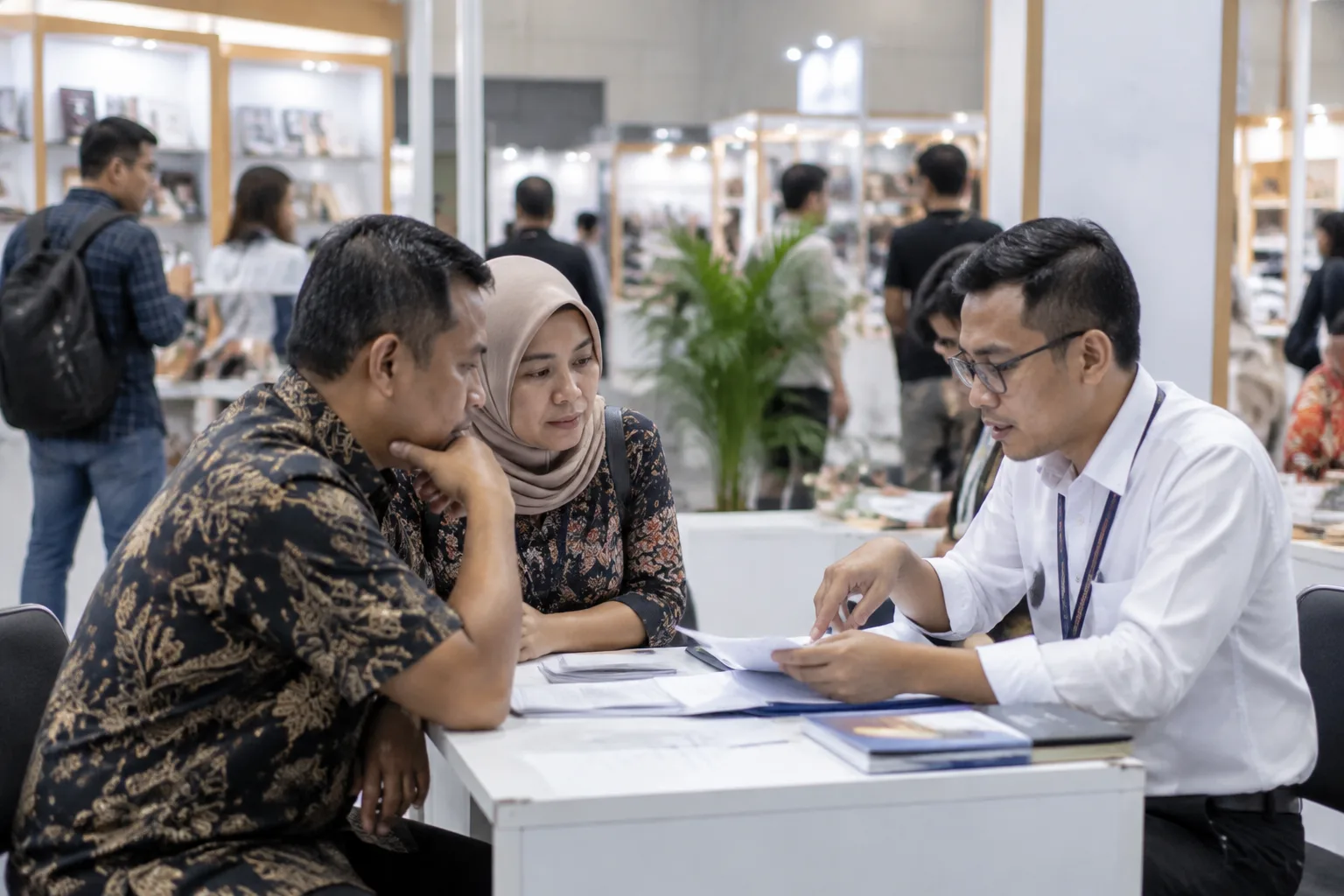
Indonesia’s Directorate General of Intellectual Property (DJKI), part of the Ministry of Law, received the IFBC Best Government Support award at the Info Franchise & Business Concept (IFBC) 2026 exhibition at ICE BSD in Tangerang on 6 November 2026. The award recognises DJKI’s support and collaboration in raising awareness of intellectual property protection, particularly trade marks, within the franchise community.
Recognition for a collaboration dating back to 2025
DJKI’s involvement in IFBC did not begin with this year’s event. Aulia Andriani Giartono, Head of DJKI’s Empowerment and Education Subdirectorate, explained that the collaboration has spanned two years, beginning in 2025. It originated with an initiative by the organisers, who saw a need to improve public understanding of intellectual property.
Within the franchise community, the focus has been primarily on trade mark protection. A business’s identity is an important part of what it offers prospective partners, making an understanding of its legal status relevant when owners begin expanding their networks.
The award presented on 6 November highlighted the role of government support in this educational work. DJKI’s presence went beyond institutional participation in the exhibition: it also provided intellectual property consultations for visitors. The event therefore brought together business opportunities and access to advice on protecting business identities.
Advice for exhibition visitors
DJKI offered consultations and guidance at IFBC 2026 to encourage business owners to ensure that the trade marks they use have legal protection. The service gave visitors an opportunity to discuss intellectual property issues while exploring options for business growth.
This service also broadened the exhibition’s role for the franchise community. As well as exploring business concepts, visitors could use their visit to raise questions about trade marks. For owners seeking to develop partnerships, consultations could address the status of their own trade marks rather than simply explain the general importance of registration.
In practical terms, business owners should prepare details of their brand name and the goods or services they offer before seeking advice. This information is relevant to the stages outlined by DJKI, particularly trade mark searches and the selection of goods or services classes. Such preparation is a simple way to keep the discussion focused on the business’s needs.
Some exhibitors’ trade marks remain unregistered
Despite growing awareness of intellectual property, Aulia still encountered owners exhibiting franchise businesses whose trade marks were not registered. This finding shows that a business’s presence at an exhibition does not, in itself, establish the registration status of its trade mark.
This is an important reason to retain an educational element at events that bring together business owners and prospective partners. An explanation of a business concept should be distinguished from checks on the trade mark it uses. Both relate to readiness for expansion, but they answer different questions.
For prospective partners, a sensible step is to ask about trade mark status when discussing a partnership proposal. Questions might include whether the trade mark is already registered or whether an application is still pending. This is a recommendation for preliminary checks, not a conclusion about any particular opportunity offered at IFBC.
DJKI explained that trade mark registration provides legal certainty over a business’s identity. Registration also gives owners a foundation for developing partnerships and expanding into new markets. Consultation services at the exhibition therefore have a direct bearing on business preparation, rather than merely improving administrative knowledge.
Initial steps for micro, small and medium-sized enterprises
Through its collaboration with IFBC, DJKI hopes to encourage more micro, small and medium-sized enterprises to develop into franchise businesses while paying due attention to trade mark registration. This places intellectual property protection firmly within preparations for business growth.
DJKI outlined three initial steps for business owners: conduct a trade mark search, identify the appropriate class of goods or services, and then submit a registration application through DJKI’s official channels. This sequence provides a concrete starting point for owners unfamiliar with the registration process.
For the franchise community, the practical value of this collaboration lies in access to advice at the point when business expansion decisions are being discussed. DJKI’s award also highlights the role of intellectual property education at such business events.
Practical step: before taking partnership discussions further, check the trade mark’s status and prepare specific questions. Use intellectual property consultations to understand the steps required, rather than treating participation in an exhibition as proof that a trade mark is registered.