International Housewares Retail to convert 30 Singapore Japan Home stores to franchises by year-end
International Housewares Retail has outlined plans to convert 30 Japan Home stores in Singapore to franchises by the end of 2026. Wholesale supply revenue and royalties will replace direct retail revenue.
Published
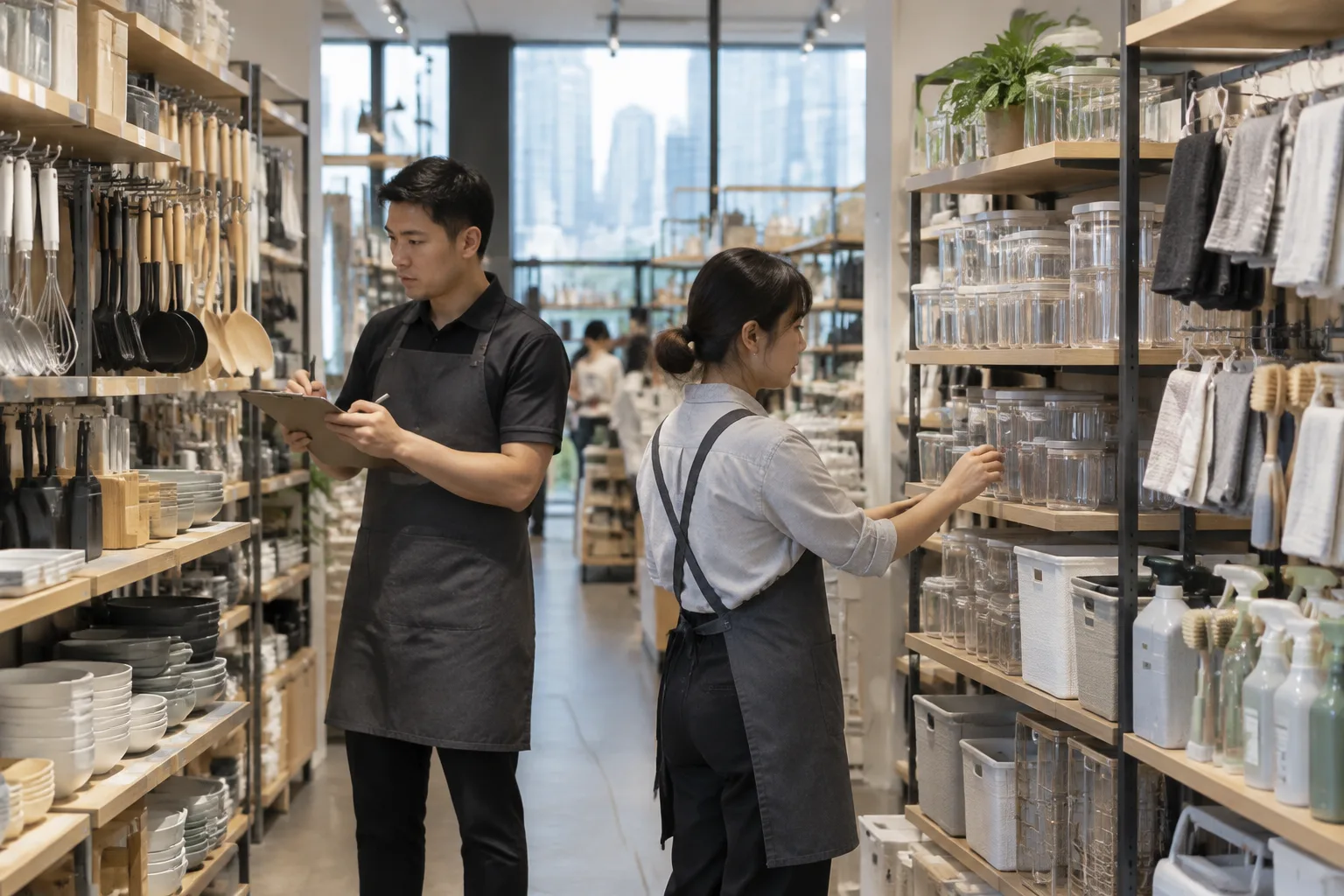
International Housewares Retail has disclosed further details of its move to franchise its Singapore stores. According to a Sina Finance report on 29 October citing a supplementary company announcement, the arrangement covers 30 Japan Home retail stores. The handover began on 19 August 2026 and is expected to be completed by 31 December. For prospective franchise investors, the key point is that this involves converting existing stores to a different operating model, rather than opening new outlets.
Phased handover of 30 stores
The report said International Housewares Retail had issued a supplementary announcement on connected transactions under its master franchise agreement and transition agreement, setting out the scope and timetable for the Singapore store conversion.
All 30 stores operate under the Japan Home brand. Under the disclosed arrangements, the handover began in mid-August, with the transition to a franchise model targeted for completion by year-end. The expected completion date should therefore not be taken as confirmation that the handover has already finished, nor should the 30 stores be understood as newly opened franchise outlets.
The announcement concerns stores in Singapore, not a conversion programme in Hong Kong. Readers assessing franchise opportunities should distinguish between changes to the brand’s overseas operations and opportunities in their own market. The Singapore conversion alone does not indicate that the brand is recruiting franchisees in Hong Kong.
Stores generated HK$201 million in annual revenue
For the financial year ended 30 April 2026, the 30 stores generated revenue of HK$201 million. This represented approximately 72.8% of the Singapore segment’s retail revenue and around 8.8% of combined retail revenue across Hong Kong, Macau and Singapore.
These percentages measure different things: the first shows the stores’ significance within the Singapore retail business, while the second compares their revenue with combined retail revenue across the three markets. When citing these figures, it is important to retain the relevant market scope and financial year, rather than applying the Singapore segment’s percentage to the group as a whole.
The revenue figure reflects the stores’ performance in the financial year before the conversion. It is neither a forecast of future royalty income nor an indication of the profit available to franchisees.
Revenue shifts from retail sales to supply and royalties
Following the conversion, wholesale supply revenue and royalties will replace the existing direct retail revenue. This is the central change in the arrangement: the company will no longer earn revenue from these stores through the previous direct retail model.
The report cited the company as expecting the conversion to have a minimal impact on consolidated revenue and net profit. This is the company’s expectation, not an achieved financial result. Any subsequent assessment will need to be checked against results reported after the handover is complete.
Equally, the stores’ previous HK$201 million in revenue should not simply be treated as revenue the group will lose, because the new arrangement also includes wholesale supply revenue and royalties. When reviewing subsequent results, readers will need to consider the change in revenue sources, rather than merely comparing store numbers.
Practical points for prospective franchise investors
This case illustrates that franchise developments involve not only new brands and store openings, but also changes to the operating model of existing retail networks. Investors considering similar arrangements should assess handover progress, supply arrangements, royalties and each party’s operating responsibilities.
In practice, first establish which stores the transaction covers and when the handover is due to finish, then check how revenue and costs will be allocated. A brand’s historical store turnover should not be used directly as a basis for estimating returns after conversion to a franchise.