Hong Kong 7-Eleven like-for-like sales rise 1% in third quarter, marking second consecutive quarter of growth
DFI Retail reported a 1% year-on-year rise in Hong Kong 7-Eleven’s third-quarter like-for-like sales, or 2% excluding cigarettes. Brand collaborations and product innovation supported performance, offering prospective franchisees an insight into convenience store spending trends.
Published
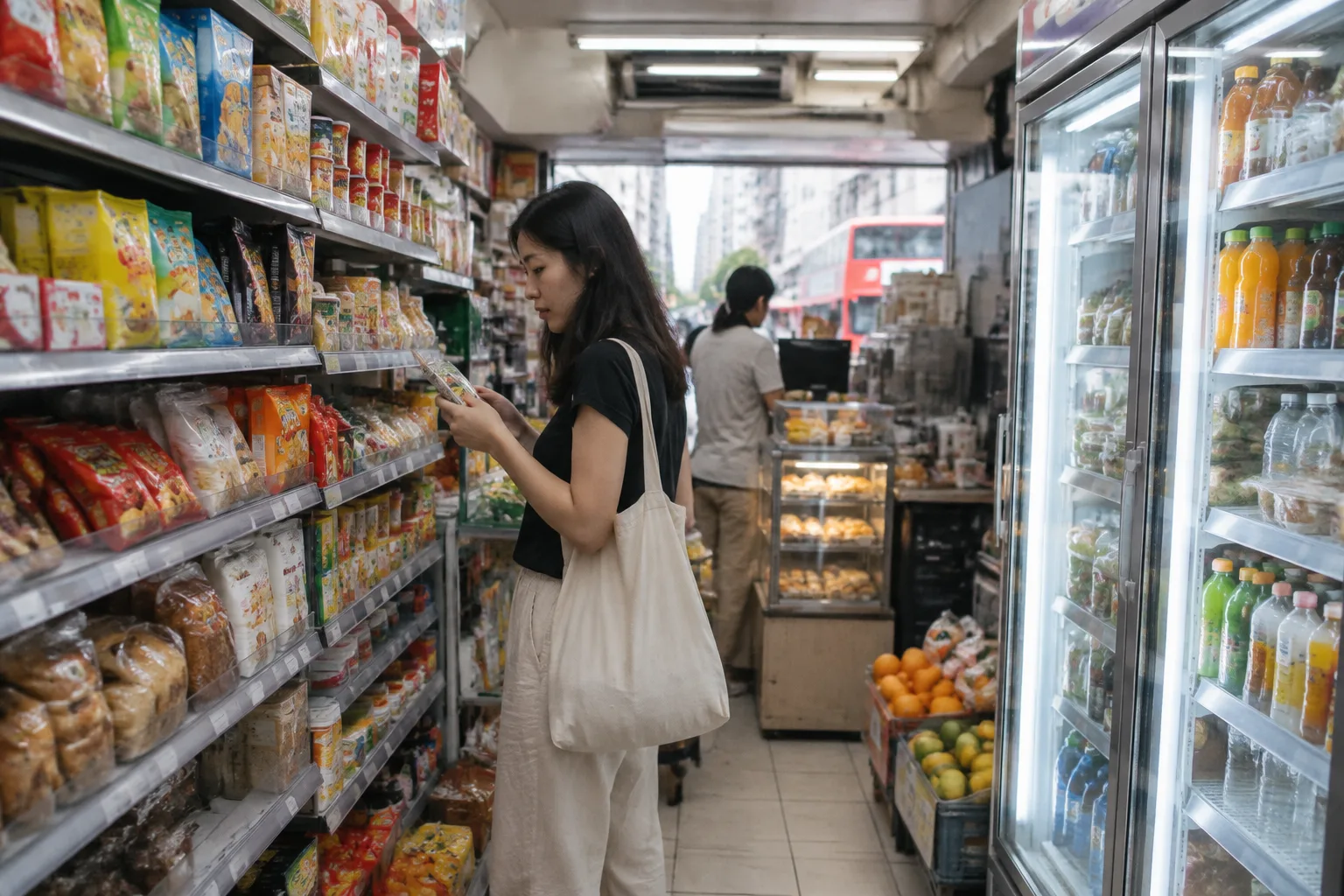
Consumer spending at Hong Kong convenience stores continues to improve. According to the Hong Kong Economic Times on 24 October, citing DFI Retail’s third-quarter interim management statement, Hong Kong 7-Eleven’s like-for-like sales rose 1% year on year in the third quarter, marking a second consecutive quarter of growth. Excluding cigarettes, sales increased by 2%. For those considering franchising in Hong Kong, the figures highlight not only continued growth but also differences in performance across the product mix.
Like-for-like sales rise for two consecutive quarters
DFI Retail’s third-quarter figures for Hong Kong 7-Eleven use two measures: overall like-for-like sales and like-for-like sales excluding cigarettes. These rose by 1% and 2% respectively, a difference of one percentage point. The two measures should be read separately: the growth rate excluding cigarettes should not be treated as the overall sales increase.
It is also worth noting that these figures measure like-for-like sales, rather than new store openings or the pace of expansion across the store network. Two consecutive quarters of growth provide an indication of sales trends, but do not mean that every store achieved the same increase.
Collaborations and product innovation engage younger shoppers
The group said brand collaborations and product innovation increased engagement among younger consumers, supporting the performance of its convenience store business. This is the aspect of the update most directly relevant to in-store product ranges and promotions.
For franchise operators, the focus should be on how promotions support everyday product sales, rather than simply the publicity generated by a campaign. However, the group’s description of its growth drivers does not quantify the contribution of each collaboration or new product, nor does it establish the return on any individual campaign.
Sales growth does not necessarily mean higher store profits
Like-for-like sales figures help track changes in consumer spending, but they are not a measure of store profitability. When assessing operating performance, sales, merchandise gross margins and operating expenses should still be examined separately, rather than assuming that profits have risen at the same rate as revenue.
For prospective convenience store franchisees, quarterly brand-level performance can provide an initial reference point. Decisions about a particular location or investment, however, require a separate review of the store’s actual operating data. Neither the 1% nor the 2% increase should be regarded as a promise of revenue or returns for a new franchise store.
How franchisees can use these figures
The update offers two clear observations: Hong Kong 7-Eleven’s like-for-like sales growth has continued, and growth excluding cigarettes was stronger than the overall figure. Together with the group’s comments on younger consumers’ engagement, these findings can help operators review their own product mix and promotional effectiveness. They should not, however, be used to generalise one brand’s results across all convenience stores.
Practical takeaway: before comparing store performance, make sure the figures cover the same quarter, use a consistent like-for-like store base and include the same product categories. Then check gross margins and expenses. Treat brand-level sales trends as a reference, not a forecast of franchise returns.