Setting an initial franchise fee in Guatemala
Set an initial fee based on costs, deliverables and clear terms before offering your franchise in Guatemala.
Published
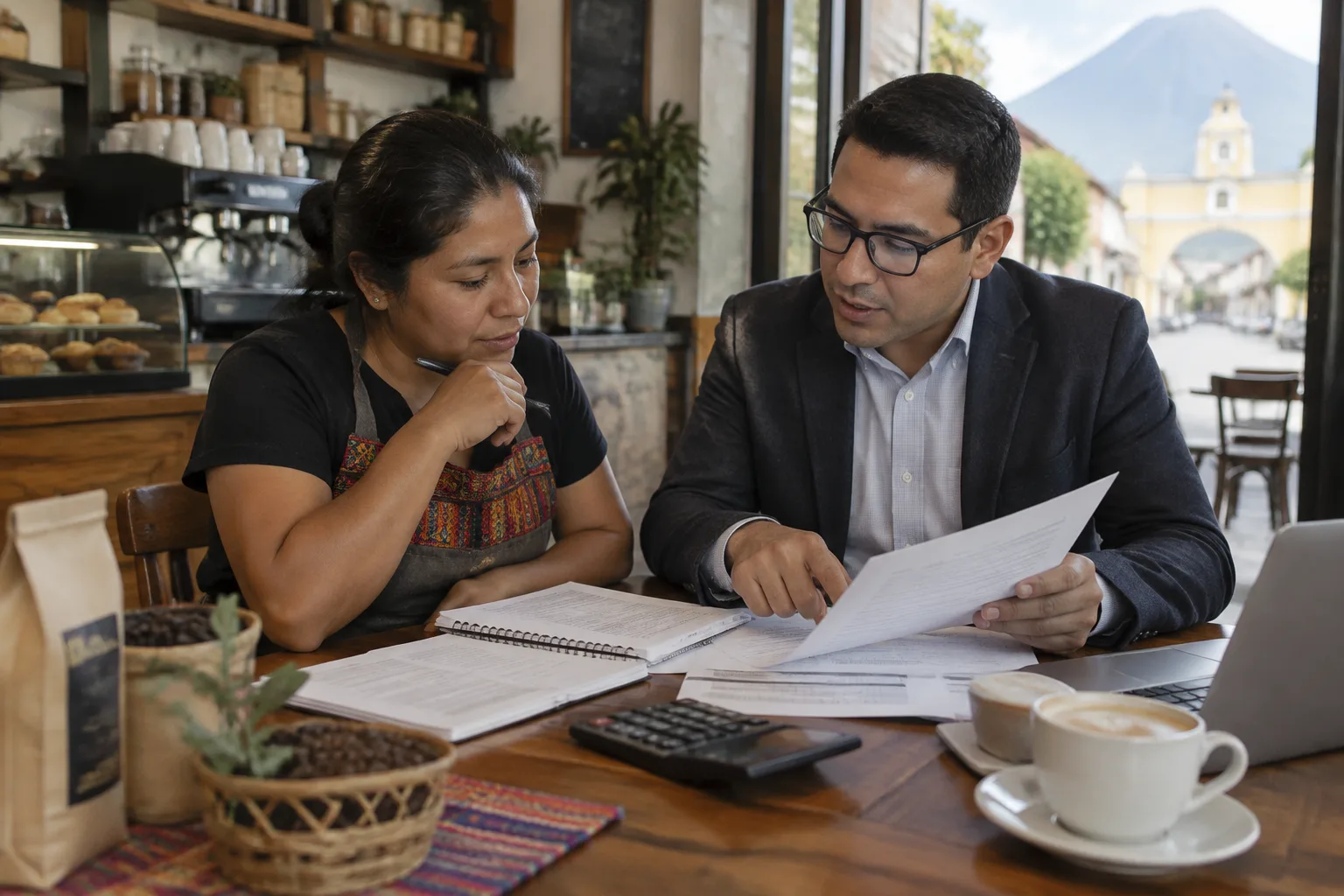
When turning an existing business into a franchise, setting the initial fee by comparing it with other brands can leave commitments unfunded or result in a price that is difficult to justify. The decision should start with what you will deliver, how much it costs and which rights you will grant. To build a sustainable franchise network in Guatemala, keep this payment separate from royalties and document what it covers before presenting an offer.
1. Define what the initial fee covers
The initial fee may cover bringing the franchisee into the system, certain opening support services and access to rights defined in the agreement. It should not become a catch-all label for unexplained expenses.
Prepare a breakdown with three categories:
- Included: activities and rights covered by the fee, such as initial training, opening support or permission to use elements of the franchise system for the agreed term.
- Excluded: investment that must be funded separately, such as fitting out the premises, stock, equipment or permits.
- Conditional: services whose cost depends on specific circumstances, such as additional travel or training for more people than originally planned.
For each included service, specify its scope, who is responsible and when it will be delivered. “Opening support” is not detailed enough unless it makes clear which tasks are covered and when the support ends.
Also distinguish the initial fee from ongoing royalties and advertising contributions. The same item should not be described as included and then charged for separately without a clear contractual explanation.
2. Calculate the cost of bringing a new outlet into the network
Use your business records to estimate the hours and resources required. Even if you have not yet taken on any franchisees, you can measure how long it takes to teach a task, prepare materials or support the opening of a company-owned outlet. Label these figures as estimates where they are not based on an actual franchisee onboarding process.
The calculation should cover:
- Staff time spent preparing and carrying out onboarding.
- Planned materials, travel and external services.
- Set-up costs or licences you must pay for each new outlet.
- Document review and administrative coordination attributable to that onboarding process.
Separate these costs from the overall investment in developing the franchise system. The initial development of tools may benefit several outlets; charging the full cost to the first distorts the analysis. If you decide to recover part of that investment through the fee, use a cautious, explicit assumption about the number of future franchisees joining the network.
Next, compare the expected income with the cost of delivering what you have promised. Test scenarios involving additional training, delays or more travel. You do not need to publish your internal cost structure, but you do need to check that the price allows you to meet your obligations without relying on recruiting the next franchisee.
3. Align the fee with Guatemala’s legal framework
Guatemala has neither a specific, comprehensive franchise law nor a special mandatory pre-contractual disclosure regime for franchises. A franchise agreement is treated as an atypical commercial contract, governed by the Commercial Code, Decree 2-70, with the Civil Code, Decree-Law 106, applying on a supplementary basis.
Article 669 of the Commercial Code establishes the principles of truthfulness and good faith in the interpretation and performance of commercial obligations. The commercial explanation of the fee should therefore be consistent with the agreed services and rights.
The Industrial Property Law, Decree 57-2000, is relevant to the trade mark and its licensing. Paying a fee does not replace the legal authorisation required to use it. The agreement must specify the rights granted and their limits.
Have a lawyer review the payment terms, their relationship to the deliverables and the consequences if the opening does not go ahead. Do not automatically adopt a “non-refundable payment” clause: distinguish between the reasons for cancellation, the work already carried out and any outstanding obligations. An accountant should also review invoicing and tax treatment, making clear whether the quoted price includes applicable taxes.
4. Check the fee before offering it
Bring together the amount, currency, payment deadlines, included items, exclusions and terms for additional services in a single document. Check that the commercial proposal and the agreement are consistent.
Also assess the outlay from the franchisee’s perspective: the fee is part of a larger investment and does not, on its own, demonstrate that the outlet will be viable. Avoid justifying it with promises of a guaranteed return on investment.
Practical conclusion: before setting the initial fee, define the deliverables, calculate their cost and review the legal and tax terms. Offer only a price you can explain and commitments you are ready to fulfil.
Sources
- Digital assets when franchising a business in Guatemala
- Which business should grant your franchise in Guatemala?
- Doing Business in Guatemala
- How to Assess Demand Before Franchising in Guatemala
- Who Can Negotiate Your Franchise in Guatemala?
- www.pwc.com › ia › esDoing Business Guatemala 2026 - PwC
- Franchises in Guatemala: check the insurance requirements
- "las franquicias sociales y su viabilidad jurídica en ...