Six brands take part in hotel industry meeting in Guatemala
BAC, INGUAT and URBOP brought together more than 50 industry leaders to discuss expansion, hotel conversions and new projects.
Published
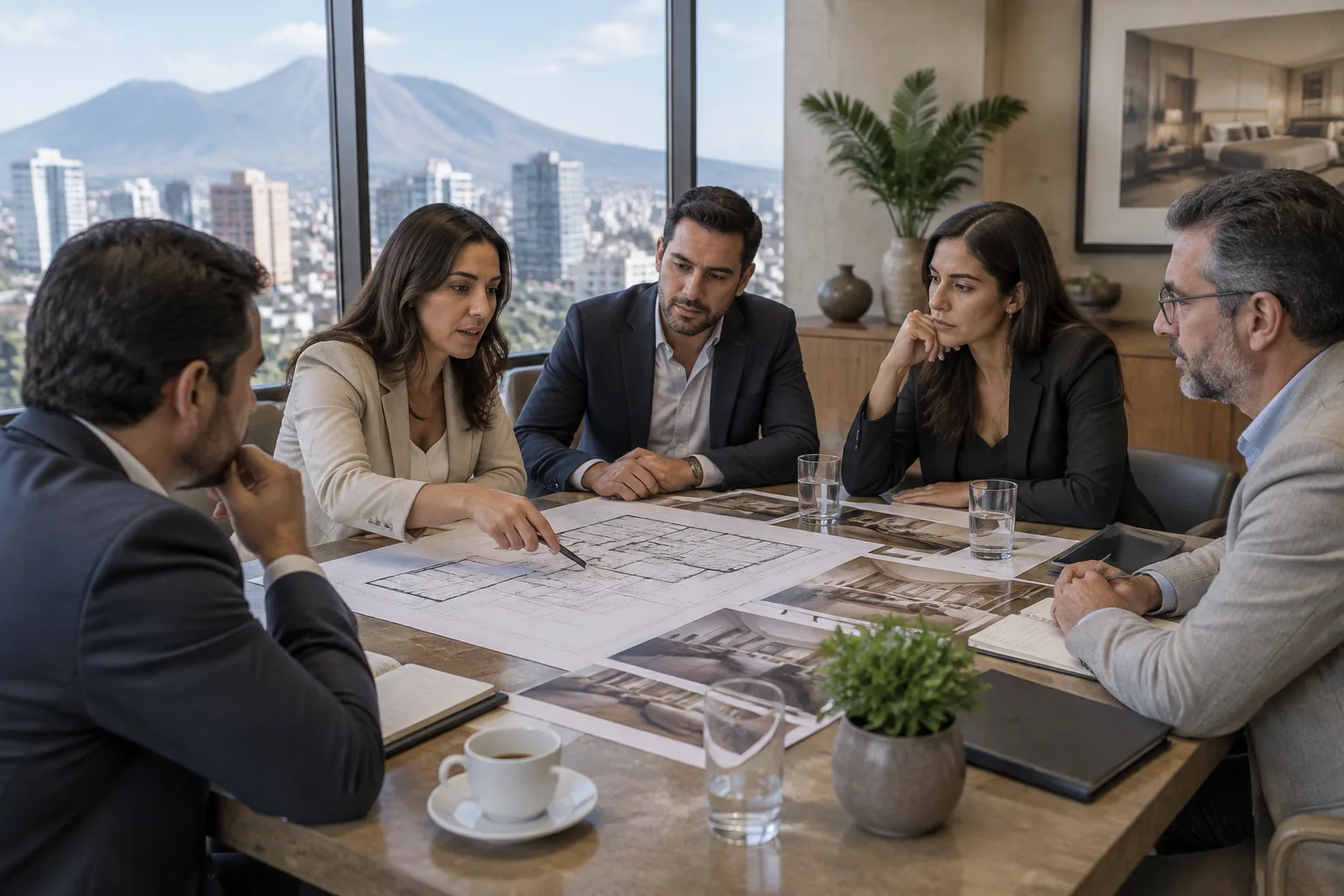
Bringing international brands into the market and converting independent hotels were among the topics discussed at a meeting organised by BAC, INGUAT and URBOP in Guatemala on 23 September. Executives from six hotel brands attended alongside representatives of local hotel groups and developers, according to information published by News in America on 5 November.
A meeting with six international brands
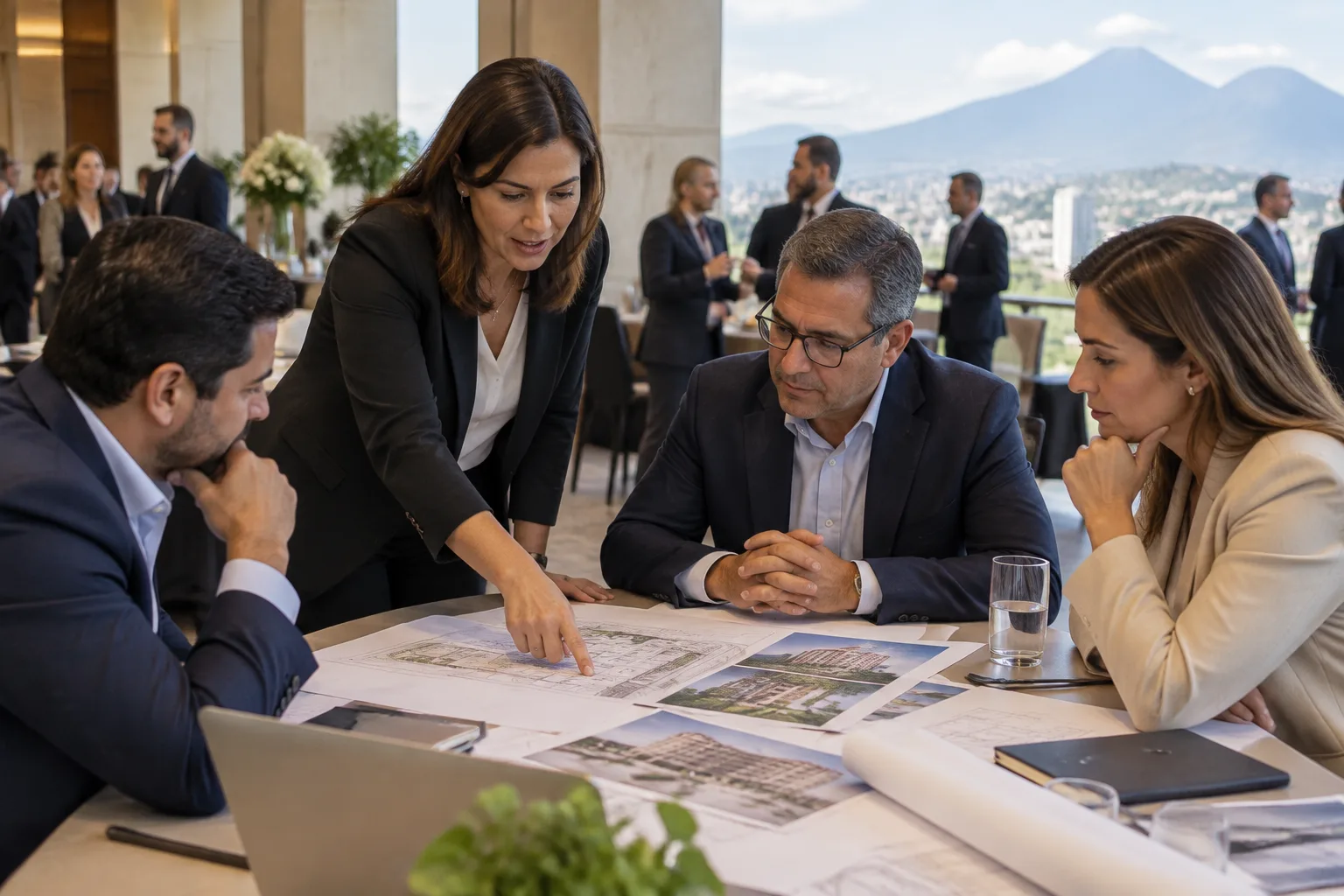
The International Hotel Franchise Meeting brought together more than 50 hotel industry leaders. Participants included executives from Marriott International, Hilton, Wyndham, Accor, Best Western Hotels & Resorts and Holiday Inn Express.
The event brought international brand representatives together with businesspeople involved in Guatemalan properties and projects. BAC organised the meeting with the Guatemalan Tourism Institute, INGUAT, and URBOP to connect the country's hotel industry with international brands.
For those interested in Guatemala's franchise market, the key development is this contact between potential local projects and brand representatives. Attendance at a meeting, however, should not be confused with an investment decision: the published information describes discussions and opportunities, not signed franchise agreements or confirmed openings.
Nor does it link any of the six brands to a specific project. The participant list should therefore not be read as a schedule of market entries or new hotel openings in the country.
Hotel conversions were on the agenda
Discussions covered four topics: hotel expansion, bringing in international brands, converting independent properties and developing new projects. This mix allowed scope for both initiatives involving existing hotels and new development proposals.
The conversion of independent properties was explicitly included on the meeting's agenda. This is particularly relevant to owners wishing to explore a relationship with an international brand without limiting discussions to building a new hotel.
The announced scope remains exploratory. The report does not identify properties selected for conversion, commercial terms, investment amounts per hotel or delivery timetables. Nor does it establish what type of business arrangement would apply to any potential project.
This distinction matters to those in the franchise sector: discussing the adoption of a brand is different from agreeing on the obligations, resources and operating model for a particular property. The topics discussed indicate which options were on the table, but do not establish that any agreements have been signed.
From initial contact to project follow-up
The 23 September meeting was held in the run-up to INVERTUR 2026, the tourism investment and innovation forum led by BAC. These were two related events with different attendance figures: the hotel meeting brought together more than 50 leaders, while the subsequent forum attracted more than 300 representatives from a range of tourism-related sectors.
According to the published information, BAC will follow up on opportunities identified during the forum by assessing the financing and investment needs of participating projects. This announcement describes a process of evaluation and support; it does not mean that funding has been approved for every project.
That commitment should not be attributed to any specific brand or property involved in the September meeting either. What has been confirmed is that the hotel industry meeting took place and that, in connection with the subsequent forum, BAC intends to assess financing and investment opportunities.
What to check before moving forward
For interested owners or developers, the meeting's agenda provides a useful starting point for preparing a proposal: whether the aim is to convert an existing property, bring in a brand or develop a new hotel.
The practical next step is to ask each brand directly about its requirements, contractual arrangements and assessment criteria, then compare these with the project's characteristics. A brand's participation in the meeting provides a point of contact, not a franchise offer or a guarantee of investment.