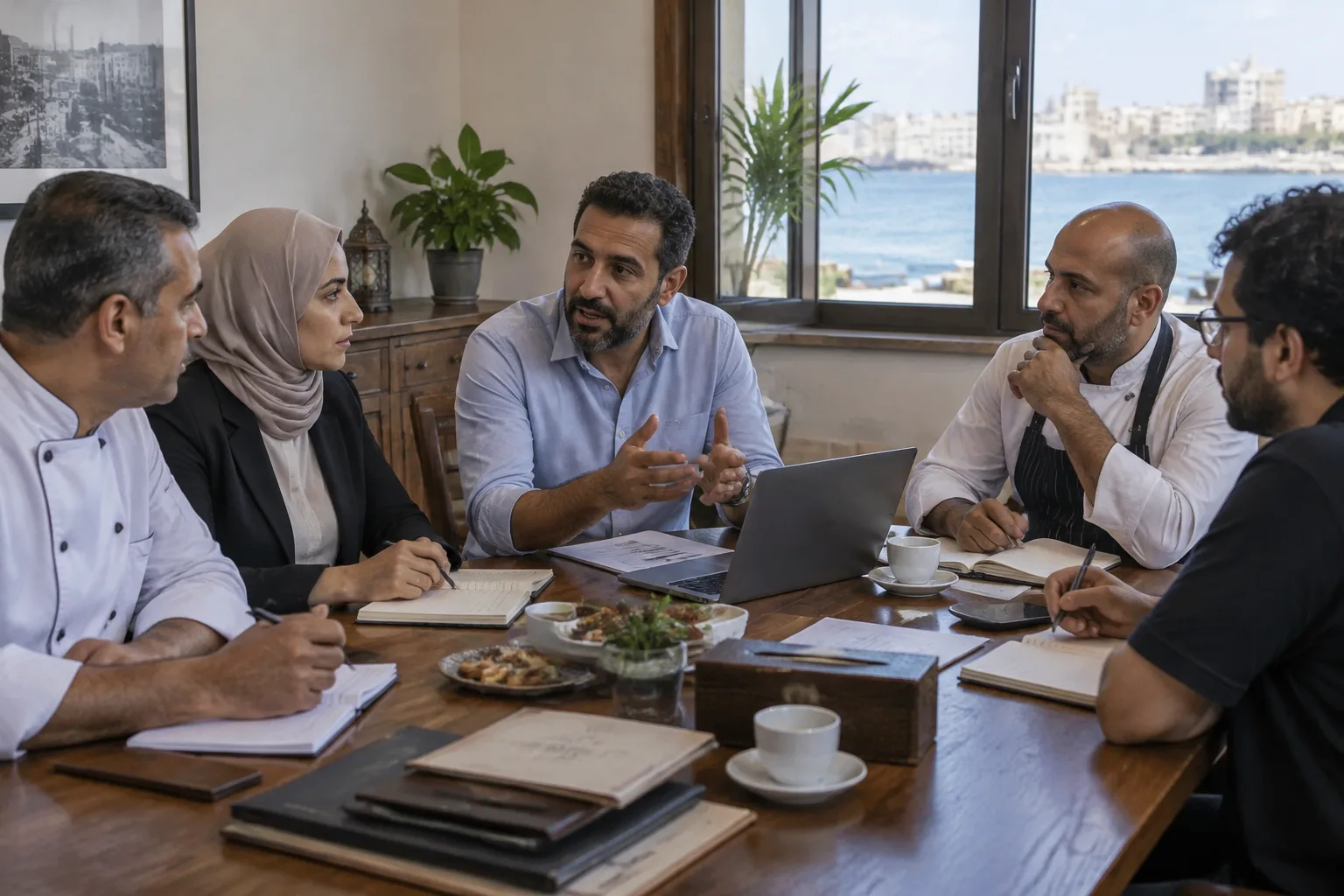
Franchising supports EGP 600 million expansion in Egypt’s tourist restaurant sector
Thirty new tourist restaurants opened in the third quarter of 2026, supported by franchise growth, with Cairo and the Pyramids area leading investment activity.
Published
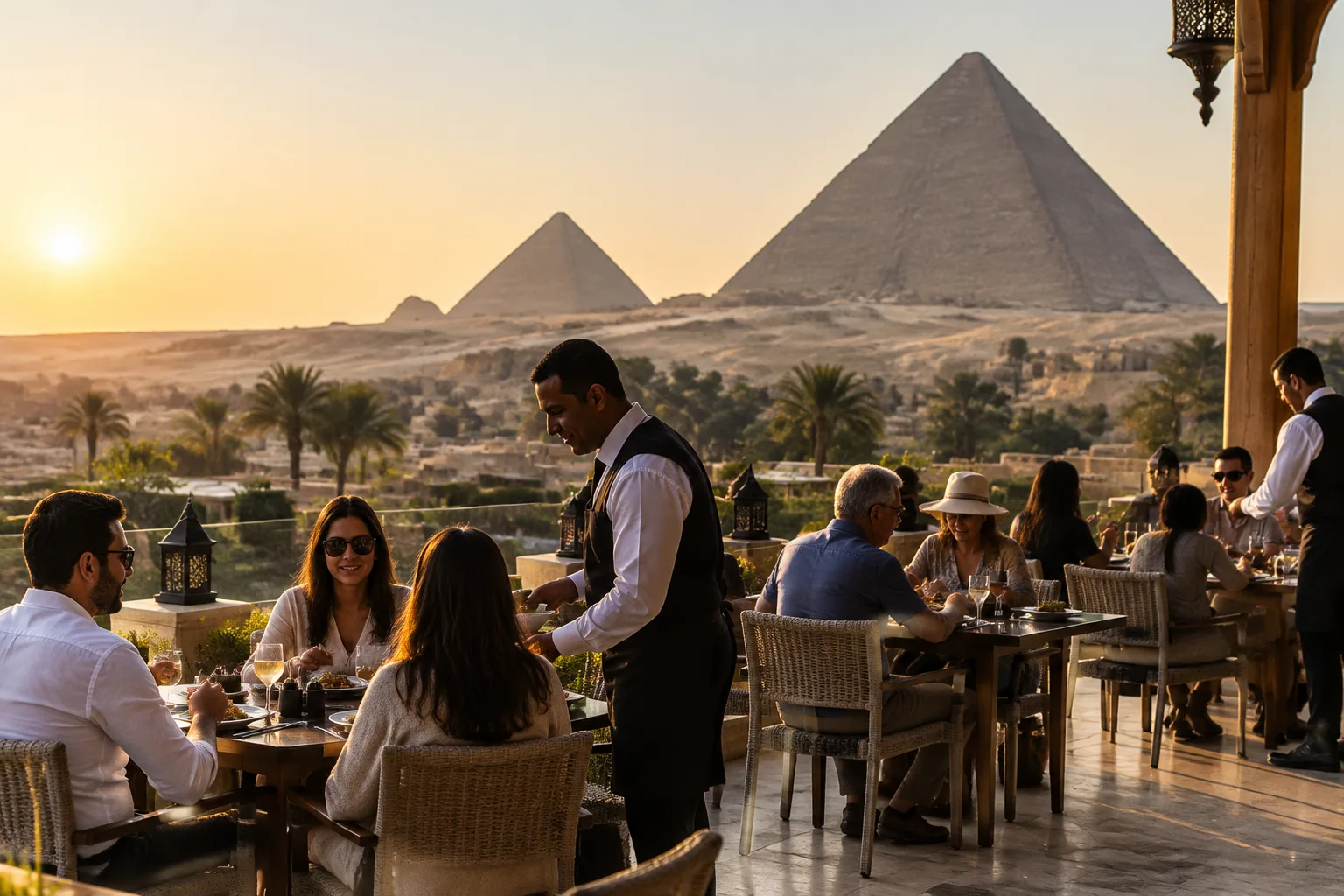
Egypt’s tourist restaurant sector attracted more than EGP 600 million in investment during the third quarter of 2026, with 30 new restaurants opening, driven by rising demand in tourist destinations and the wider use of franchise agreements. For the franchise community, these developments highlight both growth opportunities in Cairo and the Pyramids area and the challenges of seasonal demand and rising operating costs.
30 new restaurants, with Cairo leading expansion
Yasser El-Tagoury, chairman of the Egyptian Chamber of Tourist Restaurants, said in comments published by Al Arabiya Business on 19 October 2026 that new investment exceeded US$11.2 million, equivalent to EGP 600 million, between July and September. Thirty new tourist restaurants began operating during the same period, coinciding with a busy summer tourism season.
According to El-Tagoury, average investment per tourist restaurant ranges from EGP 20 million to EGP 25 million, equivalent to approximately US$374,000–468,000. Cairo and the Pyramids area led the expansion, followed by Hurghada, Sharm El Sheikh, Alexandria and the North Coast, with openings spread across the capital, heritage destinations and coastal cities.
These figures cover all announced expansion in the tourist restaurant sector, rather than franchise openings alone. The opening of 30 restaurants therefore does not mean that all operate under franchise agreements. Growth in franchising is one of several factors supporting new investment, alongside tourism demand.
The Chamber of Tourist Restaurants represents around 1,700 restaurants and tourism establishments employing approximately 85,000 people, according to its chairman. These figures provide context for the scale of the sector in which expansion is taking place; they are not a separate count of franchised establishments or their employees.
Franchised brands account for an estimated 30% of the market
El-Tagoury estimated that brands operating under franchise agreements account for around 30% of the overall market, compared with 70% for local brands, using the categories set out in his comments. This highlights franchising’s presence in the tourist restaurant sector, but does not establish its share of new investment or of the restaurants opened during the third quarter.
Ahmed Sobhi Hemeido, dean of the Swiss College of Business Administration in Cairo, explained that franchise agreements have become among the most widely used contracts in the restaurant, café and hotel sectors, thanks to the established operational and marketing expertise they provide. Under this model, investors benefit from operating under an existing brand rather than developing their own operations and marketing approach entirely from scratch.
These advantages come with clear obligations, however. Hemeido noted that franchising gives investors less freedom to run their business than operating an independent brand. Franchisees must comply with the operating and quality standards set by the brand owner, a constraint that needs to be weighed against the benefits of its reputation and expertise.
For the franchise community, it is important to consider expansion figures alongside the nature of the contractual relationship. A recognised brand does not remove the need to assess location and costs. Equally, benefiting from an established model depends on the ability to implement its standards, not simply on securing the right to use its name.
The Pyramids and visitors from Arab countries support demand
Tourist restaurants benefited from an influx of visitors from Arab countries over the summer, according to El-Tagoury. Demand was particularly strong at restaurants around the Pyramids and the Grand Egyptian Museum, where visitors combined trips to heritage sites with dining experiences nearby.
The manager of one tourist restaurant in the area told Al Arabiya Business that customer numbers had almost doubled compared with the same period a year earlier, with capacity utilisation exceeding 80%. This account relates to that particular restaurant, rather than representing an average for all restaurants in the area, but illustrates the recovery in demand in a destination that led investment activity.
In Cairo, a representative of the Nile Maxim floating restaurant said capacity utilisation exceeded 90% during the summer months, and that Arab businesspeople and foreign tourists accounted for around 70% of customers. Its experience illustrates the importance of visitor mix for some tourist restaurants, alongside location and the type of service offered.
Seasonal slowdown and rising costs
Despite the strong summer, the chamber chairman’s comments pointed to a marked change after the peak season. Capacity utilisation ranged from 80% to 90% between July and September, before falling to between 50% and 60% in October as the summer tourism season subsided.
This coincided with a recent rise of around 10% in operating costs. El-Tagoury said most restaurants had chosen not to pass these increases on to customers as demand slowed compared with the summer. Strong peak-season demand is therefore only one part of the operating equation, alongside the ability to absorb expenses when business becomes quieter.
Practical takeaway: Prospective franchise investors should assess tourist restaurant opportunities using both peak- and off-season demand forecasts, and review costs and brand obligations before signing an agreement. New openings signal market activity, but do not guarantee consistent performance throughout the year.