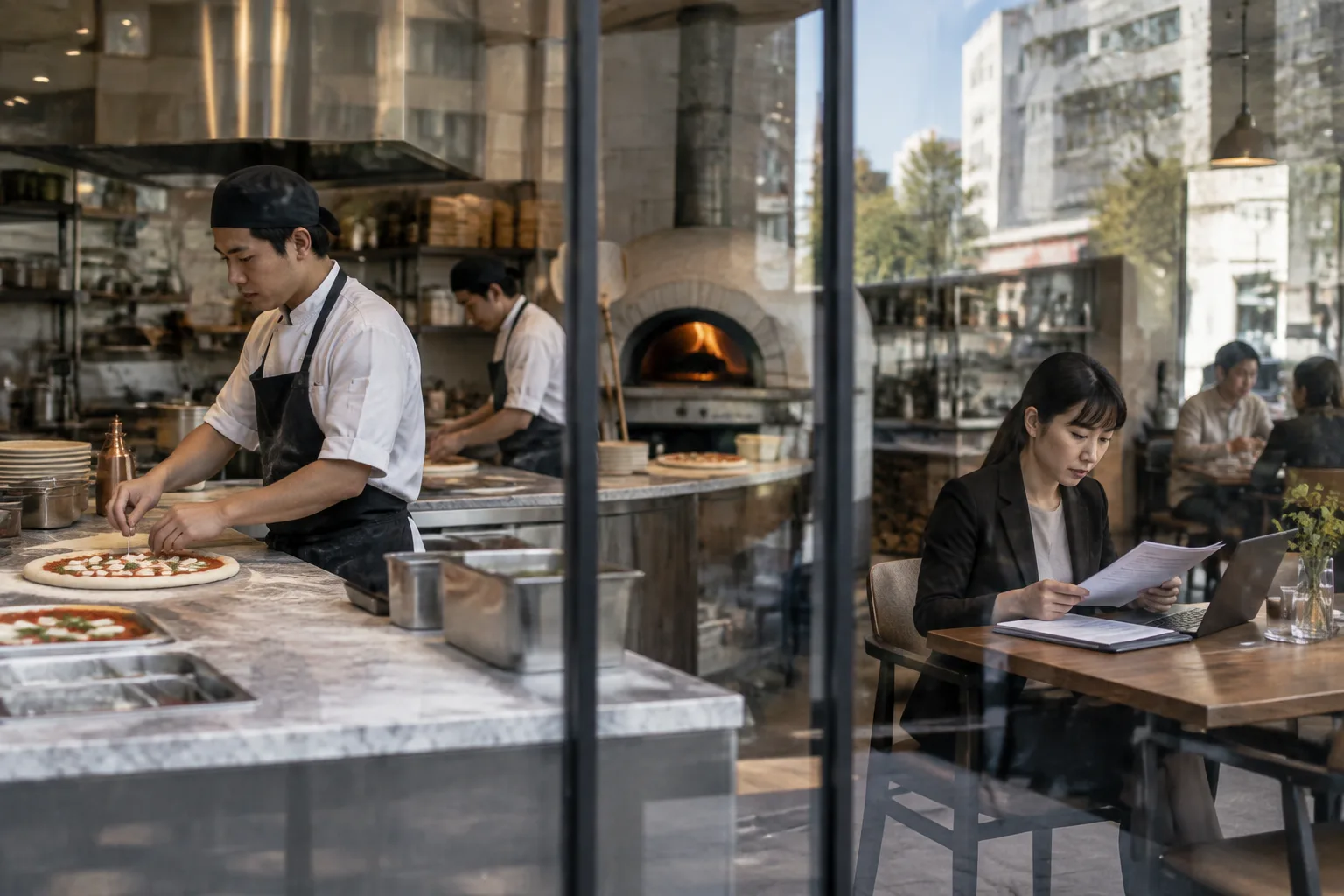
JD Discount Supermarket plans first stores in Yancheng and Yanjiao as Wumart+ targets neighbourhood shopping in Beijing
JD Discount Supermarket plans to officially open its first stores in Yancheng and Yanjiao on 25 September, while Wumart+ has announced a 24 September opening for its Anheqiao North store in Beijing. Those exploring franchising in China can study the stores’ product positioning, but should not treat these announcements as invitations to become franchisees.
Published
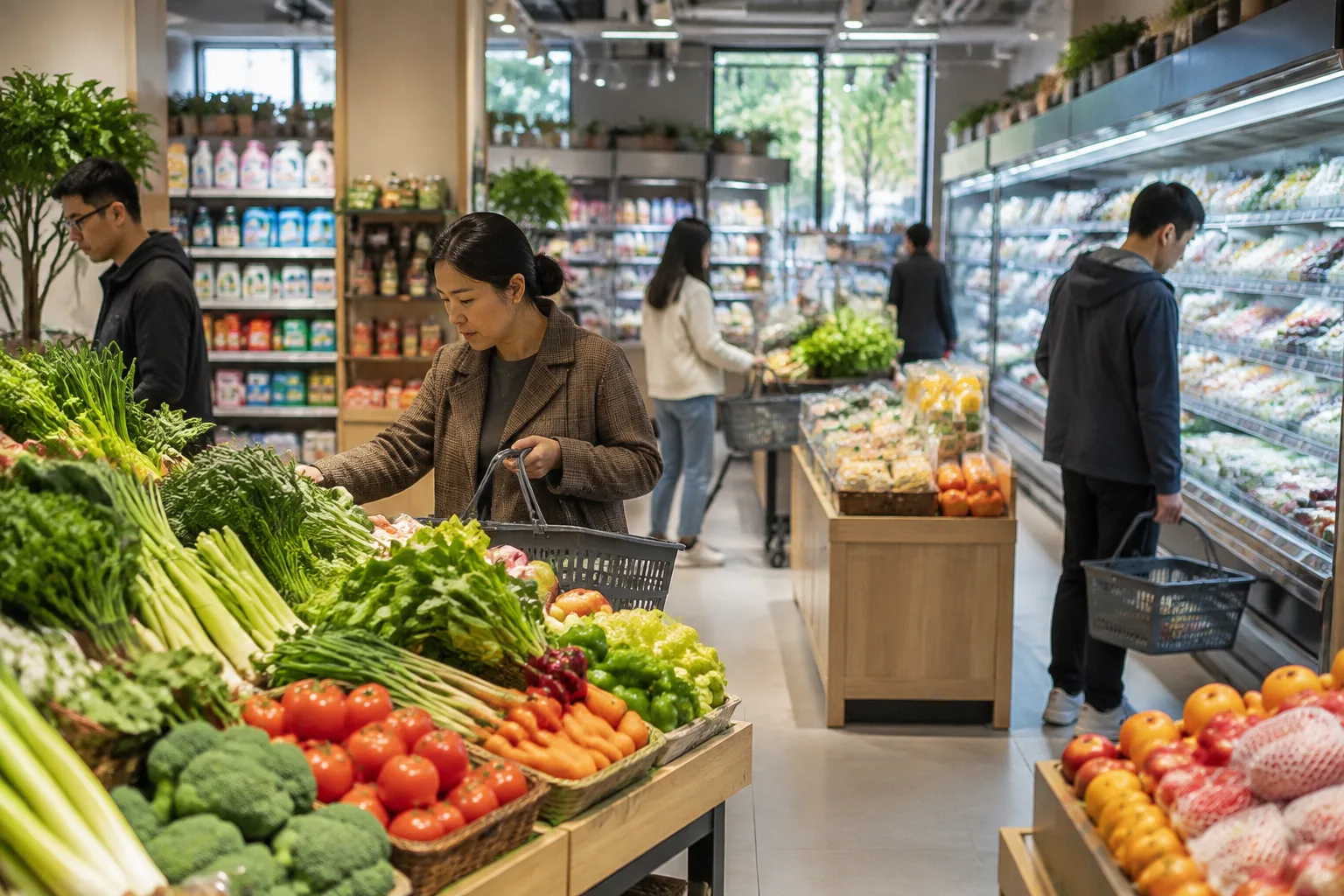
New store announcements offer a fresh snapshot of China’s retail expansion. According to a retail news round-up published on 23 September, JD Discount Supermarket was preparing to open its first stores in Yancheng, Jiangsu province, and Yanjiao, Hebei province. Wumart, meanwhile, announced that its Wumart+ Anheqiao North store in Beijing would open on 24 September. The former is entering two new local markets, while the latter is continuing to roll out an upgraded store format. Both offer useful examples for those exploring discount retail and neighbourhood shopping in China’s franchise market.
JD Discount Supermarket plans simultaneous launches in two markets
According to the report, JD Discount Supermarket’s Yancheng and Yanjiao stores were scheduled to hold simultaneous soft openings from 9am to 6pm on 24 September, followed by official openings at 9am on 25 September. Each is the brand’s first store in its respective location.
The announcement identifies the markets and sets out the soft-opening and official-opening schedules. However, the available information does not disclose either store’s floor area, number of product lines, investment cost or operating entity. Nor does it provide post-opening footfall or sales figures. It therefore establishes the planned expansion and opening timetable, but does not support any assessment of trading performance in either market.
For prospective franchisees and others following retail developments, the simultaneous launches provide a starting point for further observation. The product mix, stock replenishment and customer feedback after the official openings will be important in understanding how the stores operate. Being a brand’s first store in a location does not, in itself, demonstrate store-level profitability or replace operational due diligence.
Wumart+ sets out its neighbourhood household shopping focus
On 22 September, Wumart announced that its Wumart+ Anheqiao North store in Beijing would open on 24 September. The report described this as the latest step in the retailer’s continued rollout of its upgraded store format.
Unlike the JD Discount Supermarket announcements, which mainly detailed opening times, Wumart+ provided a clearer picture of its product positioning. The store is aimed at everyday shopping for households in the surrounding neighbourhood, with a range covering fresh fruit and vegetables, meat, poultry and seafood, prepared foods and bakery products, snacks, and everyday household essentials. Its operating priorities include own-label products, regular discounts and freshly prepared items.
These details indicate the shopping needs the format is intended to serve, but they are not evidence of actual trading results. The report gives no category sales breakdown, price comparisons or repeat-purchase data, and does not disclose the investment involved in the upgrade. Observers should distinguish the announced product positioning from operating results that remain unverified, rather than treating a description of the format as a conclusion about its performance.
Similar announcements, different points to investigate
Viewed together, the two developments reveal differences in the information disclosed. JD Discount Supermarket’s announcement focuses on the coordinated opening schedules for its first stores in Yancheng and Yanjiao. Wumart+ goes further in explaining its focus on neighbourhood household shopping and its product priorities. The fact that both concern new stores is not enough to classify them as the same operating model.
For those considering franchising, each suggests a different set of questions for further research. For the two first-in-market stores, this means checking the local sites, surrounding consumer demand and actual store visits. For the neighbourhood household shopping format, it means examining whether the range meets everyday needs and what is required to handle fresh produce, prepared foods and freshly made products. These are areas for investigation, not findings already established by the report.
The timing also requires care. The available information was published on 23 September, and the soft openings or openings on 24 September and official openings on 25 September were schedules announced at that time. Without follow-up information, they should not be presented as completed openings or as having generated any particular market response.
Store opening plans are not franchise opportunities
The source material does not state whether these stores operate as franchises. It also provides no details of franchise recruitment, the scope of brand authorisation, fees or partnership terms. This is therefore an overview of retail developments for readers interested in franchising, not a recommendation of franchise opportunities.
Operators interested in potential partnerships should first ask the brands whether franchising or other forms of cooperation are available, then verify the operating entity, authorisation documents and contractual responsibilities. If discussions progress with Wumart+, its stated emphasis on own-label products, regular discounts and freshly prepared items also raises questions about who is responsible for product supply, implementing promotions and in-store operations. The extent of head-office support cannot be inferred from the store name alone.
Practical tip: confirm whether the stores are actually trading and establish the partnership model before discussing investment and returns. Treat store opening news as a lead for on-the-ground research, not as the final basis for an investment decision.