HotMaxx outlines franchise support: supply and operating responsibilities warrant scrutiny under managed and self-operated models
A report on HotMaxx outlines franchise support covering site selection, training, digital operations, warehousing and supply, alongside managed and self-operated models. Prospective franchisees should verify the scope of services and responsibility for stock rather than rely on broad promises of support.
Published
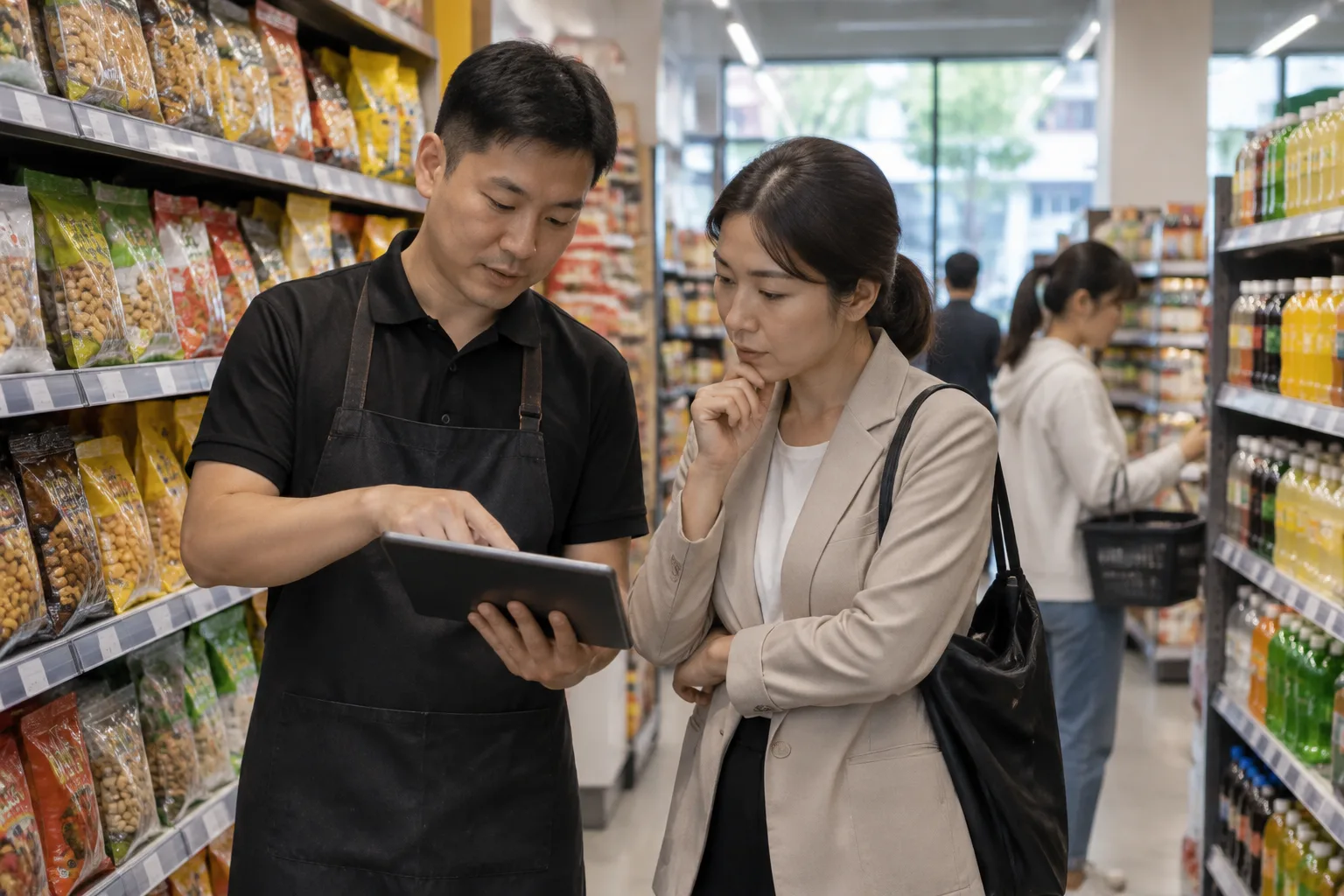
How discount retailers support their franchise outlets is an important operational issue in China’s franchise sector. An article published by Sina Finance on 12 November outlined HotMaxx’s support arrangements across store preparation, opening, operations, supply and after-sales service, including managed and self-operated franchise models. For prospective franchisees, this information provides a starting point for due diligence, but should not be treated as a guarantee that an individual outlet will be profitable.
Pre-opening support covers site selection through to training
According to the report, HotMaxx provides site assessments, store design, construction support and staff training during the preparation stage. It also draws on operating data gathered from its nationwide store network to inform site selection and initial product planning.
These arrangements cover several key stages in setting up a new store. However, offering a site assessment does not mean the brand assumes the risks associated with the lease. Nor should construction support be taken to mean that the associated costs are already included in the franchise investment.
Applicants can use this information to request a detailed list of services: who gives final approval for the site, how design and construction are priced, which staff roles the training covers, and what conditions must be met before opening. Matching each support item to specific deliverables and costs will help build a clearer pre-opening budget.
Managed and self-operated models require a clear division of responsibilities
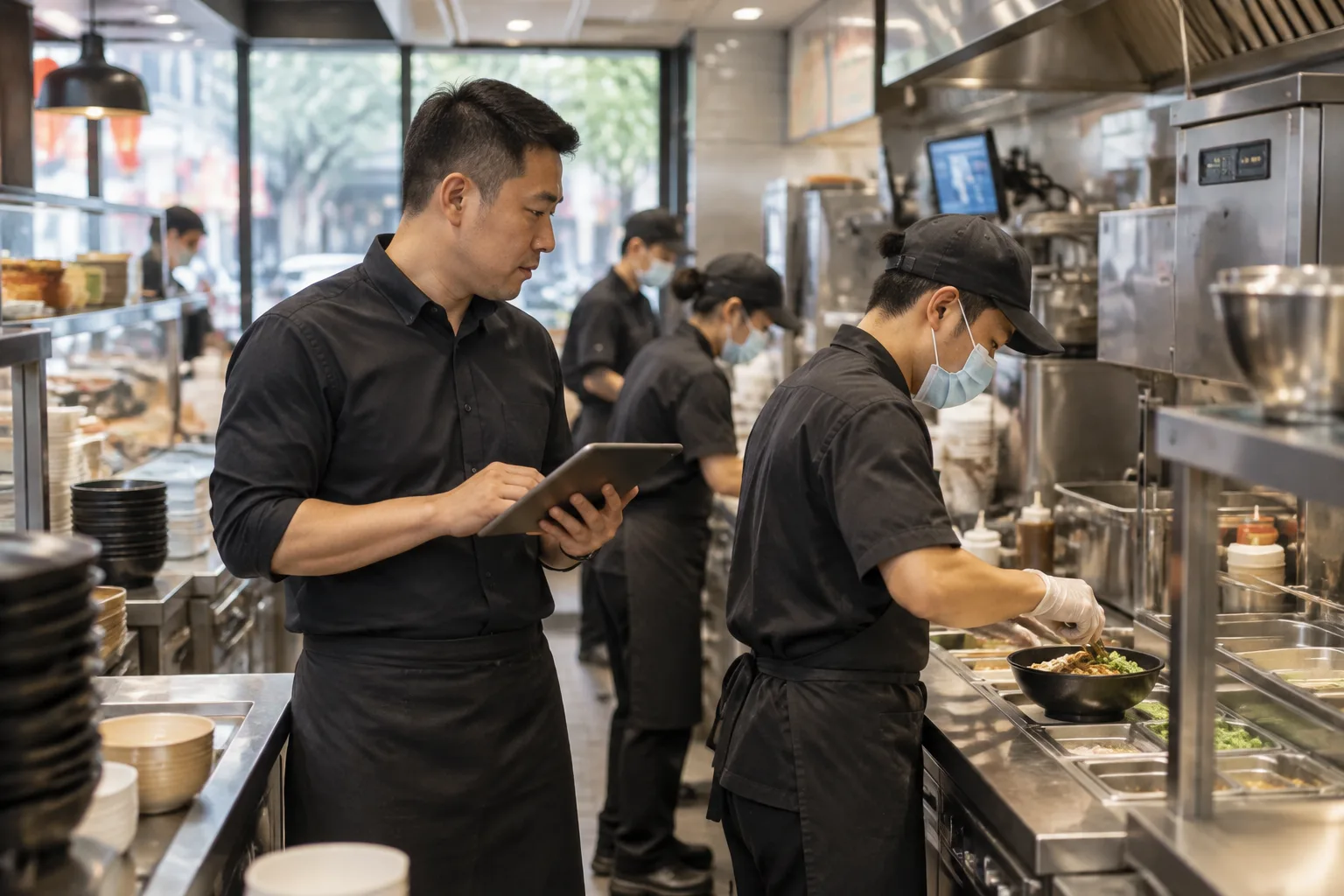
The report states that HotMaxx offers managed and self-operated franchise models, allowing entrepreneurs to choose according to the time they can commit and their operating experience. The brand also provides standardised operating manuals and procedures covering product displays, stock control, customer service and marketing activities.
The names of the two models alone do not establish their fees, staffing arrangements or allocation of profits and losses. In particular, “managed” should not be interpreted as meaning that franchisees need not take part in management, or that an investment return has been promised.
A more useful comparison for applicants is to list the day-to-day tasks: who recruits staff, organises shifts, implements promotions, deals with stocktake discrepancies and decides on changes when performance falls short. The suitability of each model should be assessed against these responsibilities, rather than simply by comparing upfront payments.
Digital systems, warehousing and supply are key areas of support
For store operations, the report says franchisees can use digital systems to view sales, stock and inventory turnover data, as well as receive smart replenishment and stock optimisation recommendations. Such tools can provide useful operating information, but replenishment advice and responsibility for actual purchasing still need to be clarified separately.
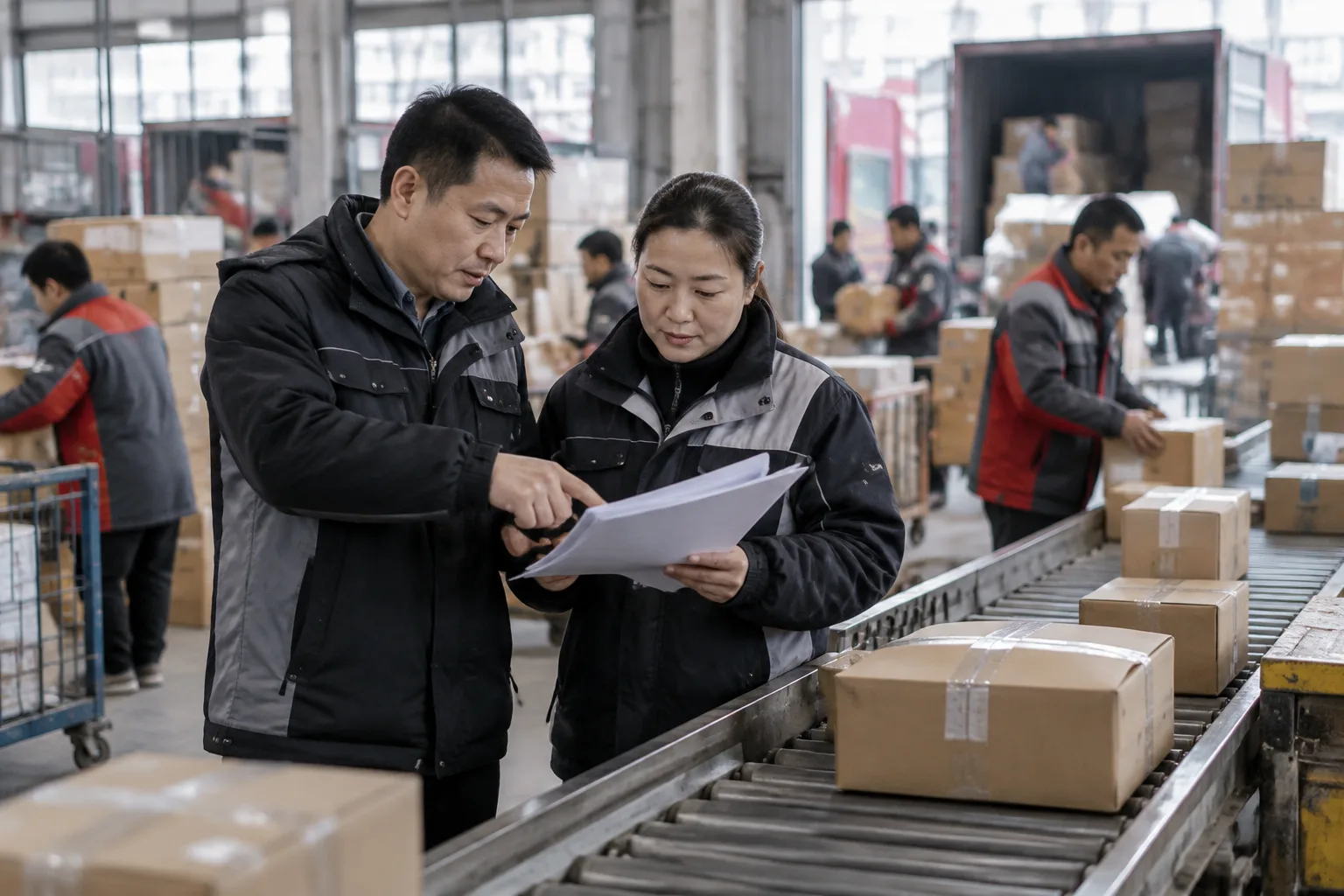
On supply, the report lists five major logistics and warehousing centres serving the national network and cites a weekly product refresh rate of 20% to 30%. This figure describes the reported arrangements for updating the product range. It is not a measure of store sales growth and cannot be used to calculate profit levels.
When assessing supply support for a discount retail outlet, applicants should ask not only about the frequency of new product introductions, but also delivery coverage, ordering requirements, transport charges and procedures for checking goods on arrival. For products nearing their expiry date, slow-moving stock or goods damaged in transit, agreeing handling rules before purchasing is safer than negotiating after delivery.
Support promises should translate into verifiable terms
The report also mentions a standardised after-sales support framework, but does not set out its scope, response times or allocation of costs in detail. “After-sales support” should therefore not be interpreted as meaning that all stock can be returned or exchanged, or that all operating losses will be compensated.
The arrangements described show the main areas covered by HotMaxx’s franchise support. Their practical value to an individual store still needs to be assessed alongside service delivery, local demand, rent and staffing costs. Statements in the report about lowering barriers to entry and making operations more predictable should not replace applicants’ own cost calculations.
Practical tip: during discussions, put site selection, training, store management, replenishment and after-sales support into a due diligence checklist. For each item, record the service provided, its cost, the responsible party and the corresponding contract clause before deciding whether to proceed to signing.