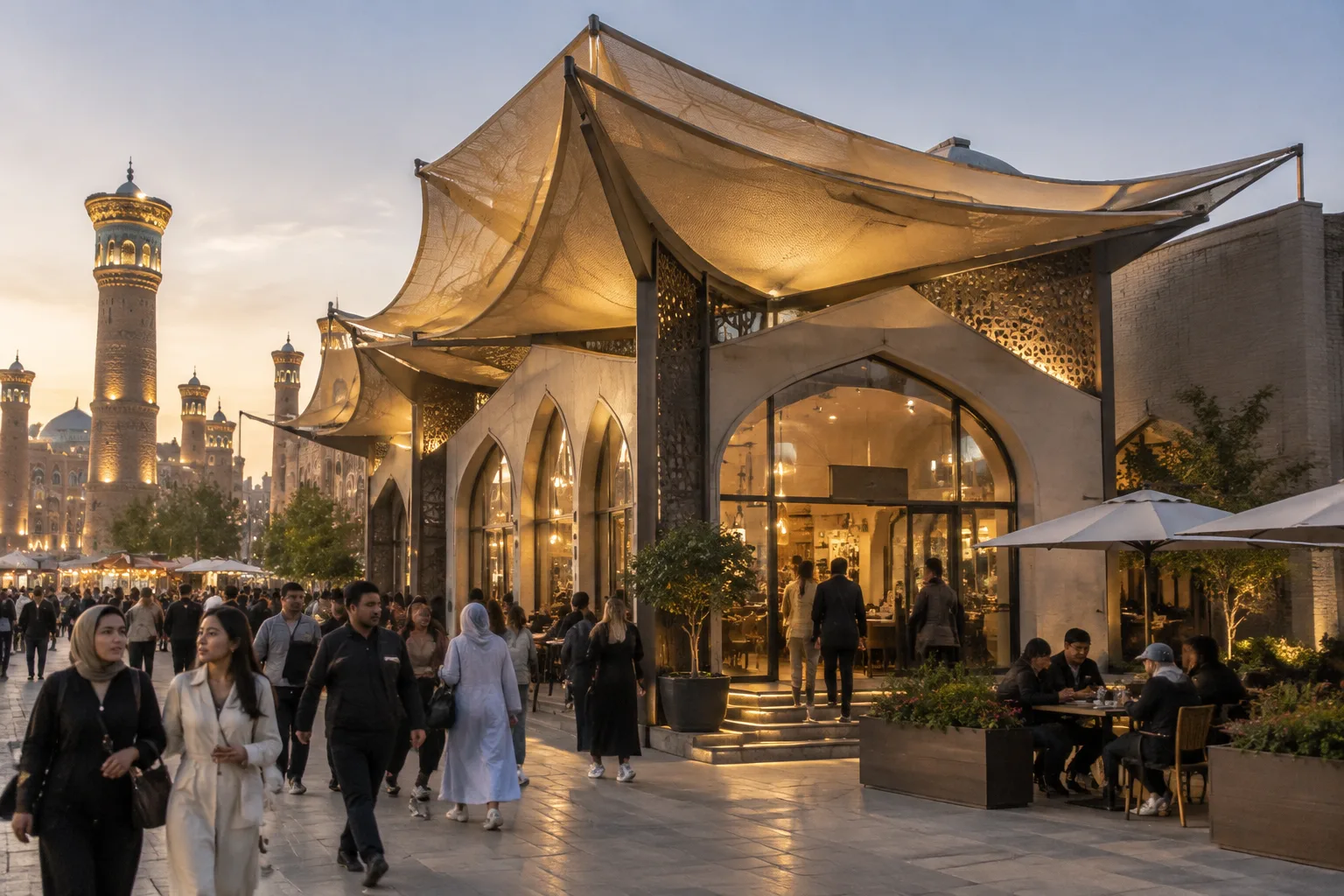
DFI sets Starbucks growth target in Asia: 250 additional stores by the end of 2029, focused on Vietnam and Thailand
DFI Retail Group plans to add 250 Starbucks stores in Asia by the end of 2029, mainly in Vietnam and Thailand. The business covers seven markets, including Hong Kong and Macau, but the expansion does not mean franchises are being offered to individual investors.
Published
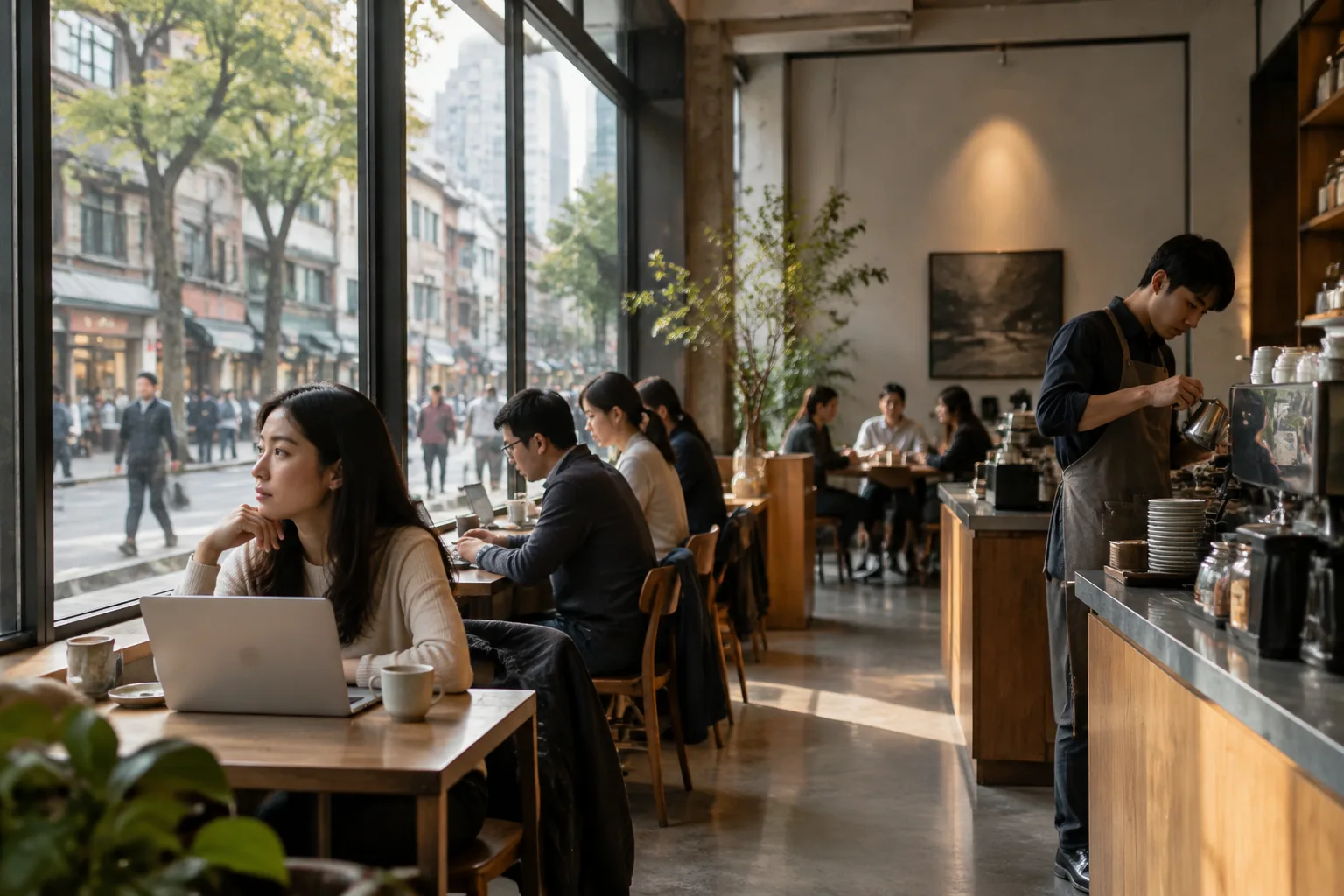
DFI Retail Group has outlined new growth targets for its Starbucks franchise business in Asia. According to an October 2 report by Guandian, management told an analyst meeting that it aims to add 250 stores by the end of 2029, primarily in Vietnam and Thailand. For prospective franchise investors assessing these markets, the plan—which also involves operations in Hong Kong and Macau—warrants scrutiny both for its pace of growth and the scope of its licensing arrangements.
Revenue growth target raised to 6–7%
DFI Retail Group’s chief financial officer said the group plans to accelerate the compound annual growth rate of its Asian Starbucks franchise revenue to 6–7% over the next three years, bringing annual revenue to US$1 billion.
The chief executive disclosed revenue of US$746 million for the business in 2025 and cited a compound annual growth rate of 3.5% over the June-end reporting periods from 2023 to 2025. The new target signals management’s ambition to accelerate growth, but it remains a forward-looking objective rather than an achieved operating result.
New stores will be concentrated outside Hong Kong and Macau
The chief executive said the Asian Starbucks business currently has around 1,100 stores and aims to open a further 250 by the end of 2029, mainly in Vietnam and Thailand.
The business spans seven markets: Hong Kong, Macau, Thailand, Vietnam, Singapore, Cambodia and Laos. Although Hong Kong and Macau fall within its geographical scope, the newly disclosed expansion is primarily directed towards Vietnam and Thailand. The overall store target should not be interpreted as an opening plan for Hong Kong and Macau, nor should it be applied to mainland China.
Profit figures provide a benchmark for assessing expansion
The chief financial officer described the Asian Starbucks franchise business as a strong cash generator, reporting a pre-tax profit margin of 7–8% and annualised earnings before interest, tax, depreciation and amortisation (EBITDA) of more than US$100 million.
These figures relate to the regional business, not individual store profitability. For operators considering a relationship with the brand, regional revenue, pre-tax margins and the payback period for a single store are distinct measures. These disclosures cannot be used to calculate the likely return on investment at a particular site.
Distinguish the growth plan from the transaction—and from franchise recruitment
DFI Retail Group and Hongkong Caterers Limited announced on September 30 that DFI would exit its shareholding in Maxim’s Caterers, while full ownership of Coffee Concepts, Maxim’s Starbucks franchise business, would transfer to DFI. DFI would also receive approximately US$340 million in cash consideration.
The restructuring remains subject to customary completion conditions and is expected to be completed by the end of the first quarter of 2027. The growth targets and the transaction’s completion should therefore be tracked separately. A change in ownership of regional franchise rights does not mean the brand is opening up franchising to individual investors.
Practical takeaway: prospective franchise investors following this plan should first verify which markets it applies to, the status of the transaction and the formal licensing arrangements. Regional expansion targets should not be treated as specific franchise opportunities or promises of returns.