Jinlimen Expands Beyond Hunan with Company-Run Stores: The Challenge of Managing Short-Shelf-Life Snacks Across More Than 40 Outlets
Jinlimen has expanded beyond Hunan into markets including Nanjing and Wuhan, taking its national network to more than 40 stores as of September. It is not yet offering franchises. Wastage, quality control and shelf-life management are key to understanding its expansion model.
Published
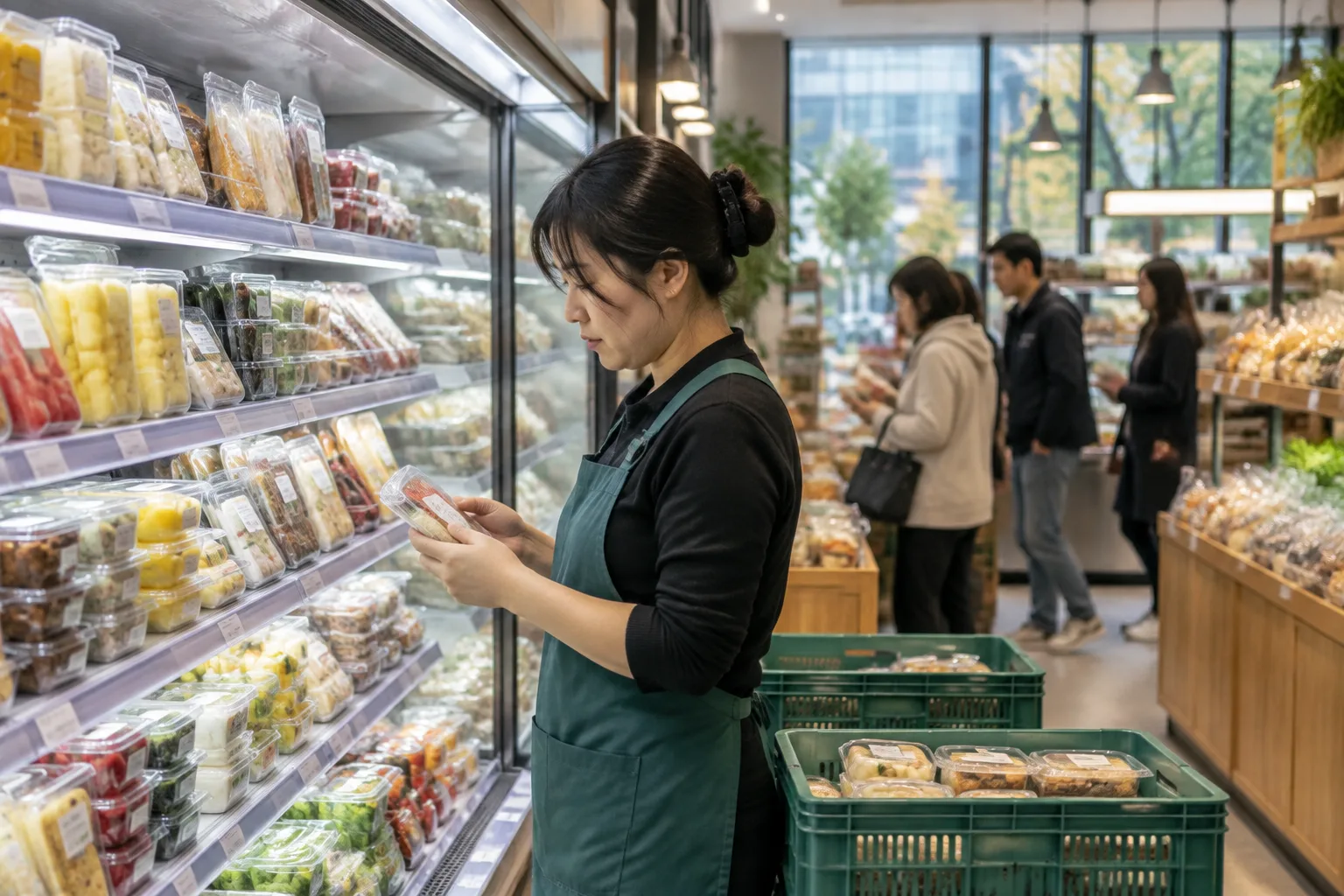
Jinlimen, a snack retailer from Changsha in China’s Hunan province, is expanding its store network with a focus on “fresh snacks”, but has not opened up to franchising. According to a 30 September report by Chinese business publication Huxiu, the brand’s official mini-app listed more than 40 stores nationwide as of September, all of them company-run. For those considering franchise opportunities in China, the case offers an important reminder: faster store expansion does not necessarily mean franchises are available.
First store outside Hunan opens in Nanjing, followed by other markets
According to the report, Jinlimen opened its first store outside Hunan in Nanjing in late May. It subsequently entered markets including Wuhan, Nanchang, Hangzhou and Shenzhen, with queues reported at new stores in several locations.
Jinlimen’s geographical reach is growing as it moves from its first store outside its home province into multiple cities. However, opening-period footfall and profitability once trading settles into a regular pattern need to be assessed separately. Queues indicate consumer interest at launch, but do not, on their own, demonstrate that a store can sustain a profit.
What can currently be confirmed is growth in store numbers and market coverage, not the establishment of a franchise network. Anyone evaluating retail business opportunities should make that distinction before calculating potential investment costs.
Short shelf lives put wastage and expiry-date management in focus
Jinlimen’s positioning around “fresh snacks” directly shapes the challenges it faces as it expands. Huxiu reported that wastage rates for short-shelf-life products can reach 8% to 15%, that quality control and shelf-life management are difficult to standardise, and that supply chain capacity and funding also constrain expansion.
Assessing this type of store therefore requires looking beyond sales momentum to whether products sell before they expire, and the losses arising from unsold stock. For a brand operating across several cities, product management capabilities need to be assessed alongside the pace of store openings.
The report linked Jinlimen’s decision not to offer franchises for now to the importance it places on retaining control over freshness. Company-run stores are its current operating model, but that does not mean direct operation alone can eliminate wastage or guarantee profitability. What still needs to be demonstrated is how effectively stores maintain control in day-to-day trading.
Retail expertise has not prompted a shift to franchising
The report also noted that KK Group holds a 10% stake in Jinlimen, bringing experience in operating physical retail stores. That shareholding, however, has not changed Jinlimen’s current position: franchises are not yet available.
Access to operational expertise and the decision to let external operators run stores are separate matters. Prospective franchisees should neither treat a shareholder’s background as a guarantee of returns nor interpret entry into new cities as the start of franchise recruitment.
On the question of whether franchising might become available in future, the report focused on the need to validate profitability: once footfall stabilises, can stores continue to control wastage and remain profitable? That criterion should not be mistaken for a confirmed franchising timetable from Jinlimen.
Franchise observers should assess the quality of expansion, not just store numbers
Jinlimen’s case provides a useful way to assess short-shelf-life retail concepts in China. Store numbers indicate the scale of a network, while wastage control, quality assurance and shelf-life management determine whether the operating model can function reliably. One cannot substitute for the other.
When evaluating similar businesses, prospective operators should prioritise questions about product shelf life, stock turnover, responsibility for wastage and supply arrangements. If the brand formally opens up to franchising in future, investment requirements and responsibilities should be assessed against the terms published at that point, rather than using opening-period demand at company-run stores to project individual returns.
Practical note: Jinlimen is not currently offering franchises. Anyone interested in the brand should first verify its official business enquiry channels and whether franchising is available before discussing locations, fees or returns. Expansion news should not be mistaken for an invitation to become a franchisee.