Starbucks closes around ten cafés in Quebec
Around ten Starbucks cafés have closed in Quebec. The restructuring highlights the importance of site viability and support for staff.
Published
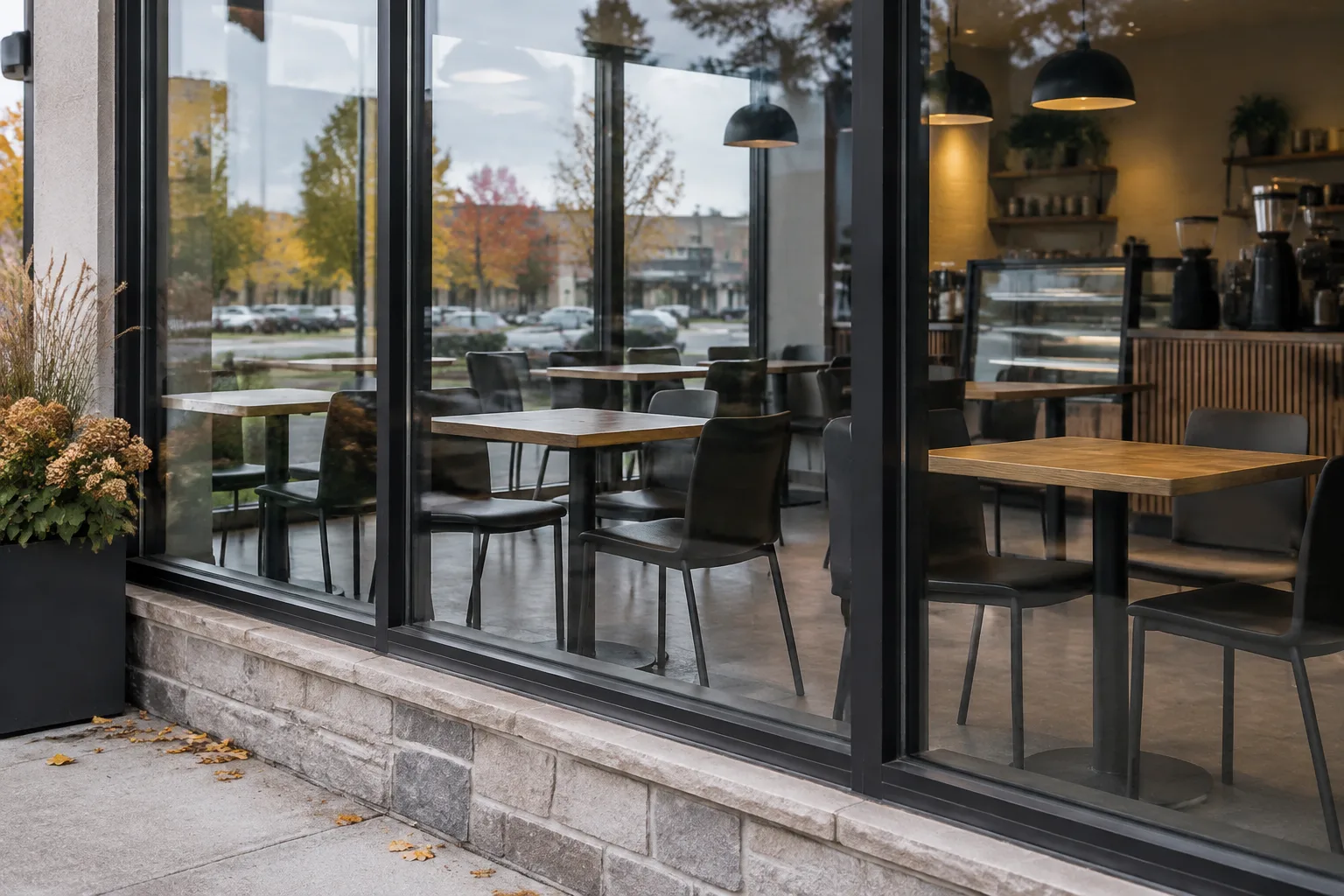
Around ten Starbucks cafés have closed in Quebec as part of a North American restructuring, Narcity reported on 28 September 2026. For Canada’s franchising community, the news highlights a practical challenge: assessing each location’s viability while considering its financial performance alongside the customer experience and the impact on staff.
A review of the North American network
According to Narcity, Starbucks closed some 250 cafés across North America over the weekend before the article was published. The company describes the decision as the outcome of a review of its store portfolio, targeting, among others, cafés deemed to be underperforming.
In a letter published on 24 September, chief operating officer Mike Grams explains that the company identified locations where it believes it cannot consistently deliver the experience it wants for customers and employees, or where it sees no prospect of acceptable financial performance.
These two reasons should be distinguished. Starbucks’ message is not solely about financial targets: it also refers to a location’s ability to deliver the intended experience. However, the available information does not specify which criterion led to the closure of each Quebec café.
Starbucks Canada told Narcity that its aim is to build a stronger network and focus resources where it sees the best opportunities to deliver its desired customer experience and long-term performance. This is the company’s stated intention, not an outcome that has already been demonstrated.
Closures across several Quebec towns and cities
In Quebec, the closures affect Greater Montreal as well as other municipalities. Narcity reports that Quebec’s Ministry of Employment and Social Solidarity confirmed receiving two collective redundancy notices: one for the Val-d’Or café, where 11 jobs were lost, and another for the Contrecœur café, where 12 jobs were cut.
The outlet also says it identified eight other cafés that had closed. The locations cited include 935, boulevard Mgr de Laval in Baie-Saint-Paul; 2000, rue de l’Éclipse in Brossard; 2419, boulevard Sainte-Sophie in Sainte-Sophie; and 152, boulevard Les Écureuils in Donnacona.
The distinction between these sources matters: the two notices confirmed by the ministry do not, on their own, provide a complete count of closures. The other locations mentioned were identified through the outlet’s research. The available extract does not provide an exhaustive list of affected addresses or a precise number of job losses at each site.
Support measures announced for employees
Starbucks Canada said affected employees had been offered a role at another café wherever possible. The company also confirmed that severance pay had been offered to those who would not be transferred.
These announcements do not establish how many people were actually transferred. Nor do they provide details of the severance packages offered. It is therefore important to distinguish between the options announced by the company and individual outcomes for employees.
Narcity notes that, around the same time the previous year, eight Starbucks cafés closed in Greater Montreal, resulting in 123 job losses. That earlier round provides a local point of comparison, but does not establish that the same causes were behind each closure this year.
A point to watch for the franchising community
This news concerns a café chain, but the information provided does not specify the operating model of each closed location. It would therefore be inaccurate to describe all these closures as involving franchises owned by independent business owners.
For the franchising community, the value of this news lies instead in the questions it raises: what criteria are used to assess a location, how is the customer experience taken into account, and what options are available to staff when a closure becomes necessary?
Key takeaway: before opening a location or reviewing a network, consider financial viability, the ability to deliver the promised experience and the impact on people together. The Starbucks case also underlines the importance of checking how locations are owned and operated before drawing conclusions about franchising.