Maxi and Dollarama: growth without franchising in Quebec
Maxi and Dollarama are expanding their presence in Quebec, but their stores do not offer opportunities to buy a franchise.
Published
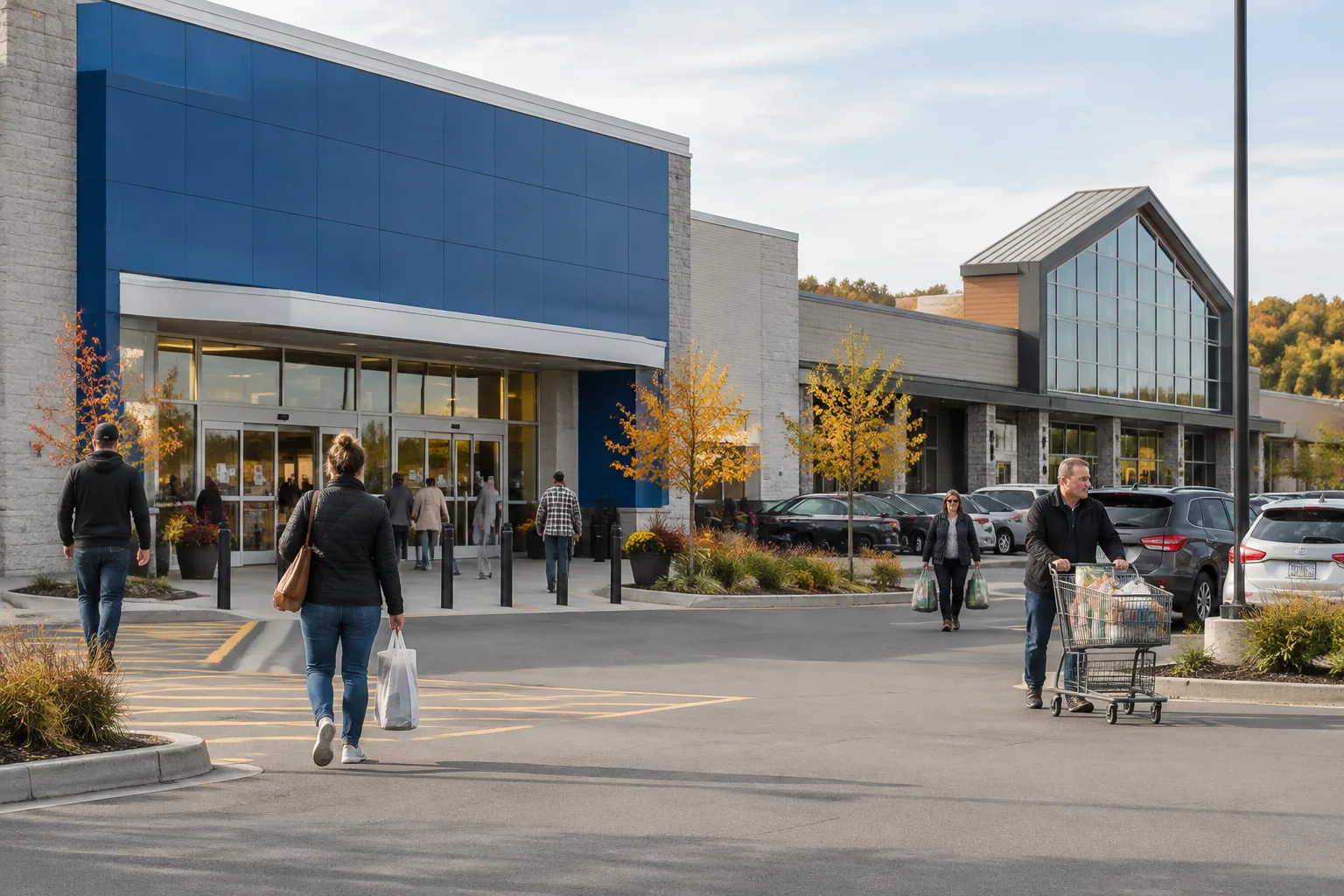
More stores do not always mean more opportunities for prospective franchisees. Two reports published in September 2026 illustrate this in Quebec: Dollarama has reached 435 stores in the province, while Maxi has 200. Both chains, however, are expanding through company-owned stores — an essential distinction for anyone interested in franchising.
Dollarama reaches 435 stores in Quebec
According to an article published by L’Express Franchise on 1 September 2026, Dollarama now has 435 stores in Quebec, ten more than in 2025. The provincial figures presented in the article show growth since 2022, when the retailer had 381 stores in Quebec.
Across Canada, its network exceeds 1,700 stores, spread across all ten provinces and two territories. This footprint gives the Montreal-based retailer a significant place in the retail landscape, but it is not built on a network of franchisees.
The article states that all Dollarama stores are company-owned branches, funded from the company’s own cash resources. None of its 435 Quebec stores is available as a franchise. The same applies elsewhere in Canada: Dollarama does not grant franchises.
For prospective business owners, it is therefore important to distinguish between two things: a retailer’s expansion and the opportunity to join its business model. In this case, growth in store numbers does not create an opportunity to become a franchisee under the brand.
Maxi: 200 company-owned stores
The picture is similar at Maxi. In an article dated 14 September 2026, L’Express Franchise reports that Loblaw is allocating around C$1.2 billion to the next phase of its 2026 investment programme, with a focus on discount retailing. Maxi plays a central role in this strategy in Quebec.
However, this amount should not be presented as funding earmarked for Maxi franchises, nor as an investment exclusively in the brand. The published information describes a Loblaw programme that prioritises discount retailing.
Maxi’s ownership structure is clear. According to Loblaw’s annual information form for the financial year ended 3 January 2026, cited in the article, all 200 stores under the brand are company-owned. None is franchised.
Here too, the network is expanding through company ownership. For prospective investors in Quebec who associate a brand’s growing visibility with an opportunity to buy a business, this detail changes how the announcement should be read: it concerns retail expansion, not franchisee recruitment.
Loblaw: distinguish the group from the brand
Loblaw’s Quebec figures show why it is necessary to check the position of each brand rather than draw conclusions from the group as a whole.
The company reports 213 company-owned stores and 16 franchised stores in Quebec. It also lists 178 Pharmaprix and Shoppers Drug Mart pharmacies owned by pharmacist-owners, alongside 50 healthcare clinics.
These categories are not interchangeable. The presence of franchised stores in Loblaw’s Quebec portfolio does not mean that Maxi offers this operating model. Likewise, ownership of a pharmacy by a pharmacist-owner is a separate matter from the count of franchised stores.
For those interested in franchising, these figures underline the importance of reading announcements at the right level: that of the individual brand and its ownership model. The group’s name alone is not enough to establish what opportunities are available to an entrepreneur.
What prospective franchisees should check
These two reports provide a practical reference point for anyone exploring franchise opportunities in Quebec. Before assessing a location or drawing up a budget, the first question should be whether the brand actually accepts franchisees in the target territory.
It is then useful to separate store numbers, announced investments and opportunities to join the network. A large retail estate may be entirely company-owned. An investment programme may support a group’s expansion without funding the arrival of new independent owners.
Key takeaway: These announcements about Dollarama and Maxi concern expansion, not franchise opportunities. Before taking a project further, check the brand’s operating model, then establish whether there is a genuine opportunity to become a franchisee.