Trans Obra presents three franchise models starting at R$420,000
The construction equipment hire chain outlines options ranging from R$420,000 to R$800,000, aimed at different franchisee profiles.
Published
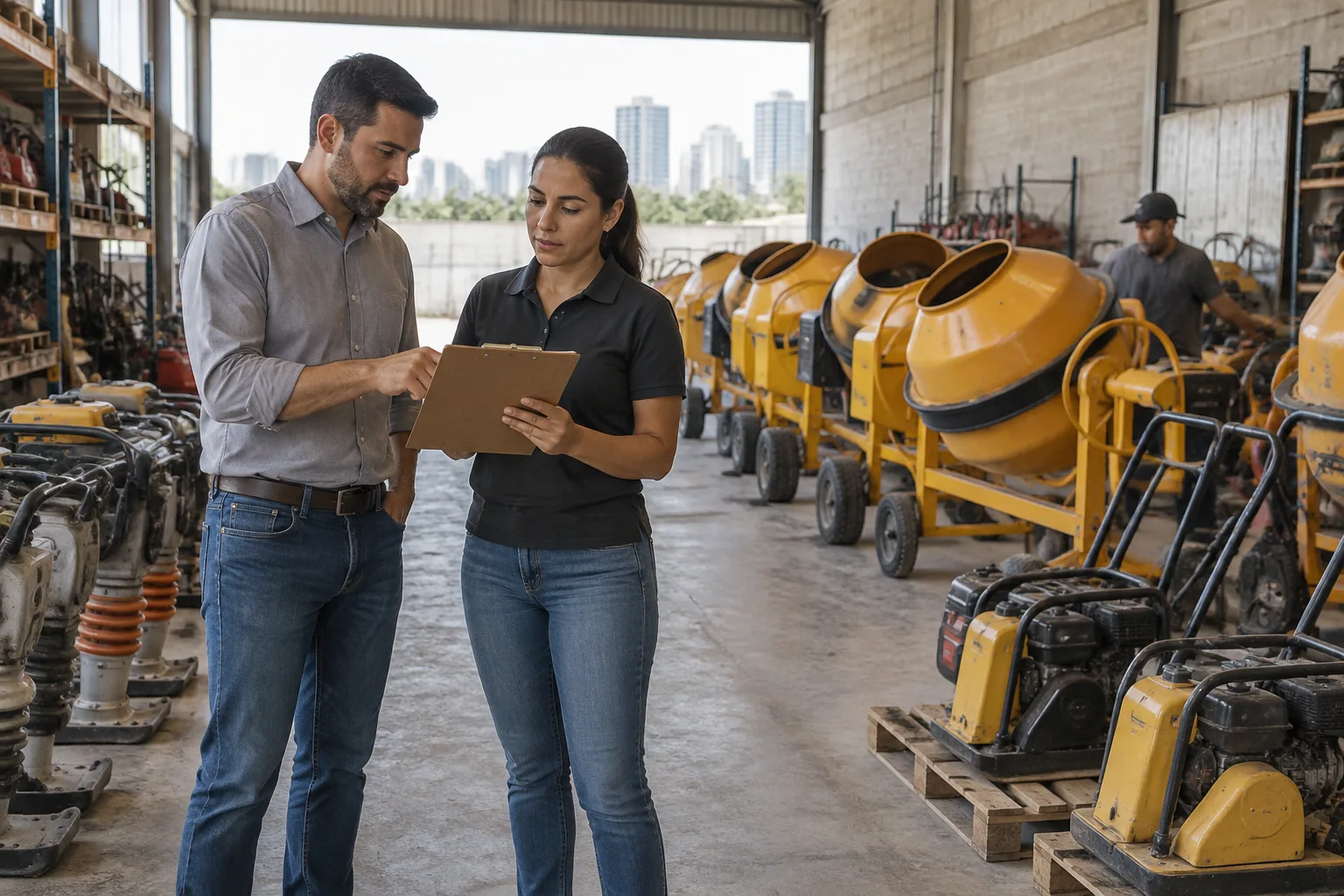
Trans Obra, a construction equipment hire franchise chain in Brazil, has presented three investment models: Start, Plus and Premium. The advertised amounts range from R$420,000 to R$800,000 in Brazilian reais. The information appeared in sponsored content from Dino in the newspaper O GLOBO on 22 September 2026, providing a starting point for prospective franchisees assessing the brand’s offer.
Three investment levels
According to the publication, the formats are aimed at different franchisee profiles. The Start model has an initial investment of R$420,000. Plus starts at R$580,000, while Premium has a stated investment of R$800,000.
The difference between the advertised amounts for Start and Plus is R$160,000. Between Plus and Premium, it is R$220,000. The gap between the lowest and highest figures is R$380,000. These differences show the financial range of the options, but do not, on their own, allow a comparison of what each includes.
The available source material does not provide an investment breakdown or explain the operational differences between the three formats. It is therefore not possible to establish from this information which equipment, premises or services are included in each amount.
It is also important to retain the distinctions in the announcement: Start is listed with an initial investment, Plus is advertised as starting at a given amount, and Premium has a stated investment. Without further documentation, none of these figures should be treated as a guaranteed total set-up cost for every location.
What the announcement tells us
The announcement presents an opportunity to enter the construction equipment hire franchise sector. Its central point is that the same brand offers three investment options, named Start, Plus and Premium.
The extract provided contains no information about openings, unit numbers, available cities or expansion targets. The presentation of these models should therefore not be confused with an announcement of new outlets or entry into a particular region.
The source of the information also deserves attention. This is material identified as sponsored content, and the figures should be understood as terms advertised by the brand in that publication. The article sets out the commercial offer, but does not constitute an independent assessment of performance or profitability.
For readers following the franchise sector, the most useful approach is to separate what has actually been announced from the questions that remain unanswered. There are three formats with corresponding indicative investment figures, but there is not enough information to make a comprehensive financial comparison between them.
How to compare Start, Plus and Premium
Before choosing a format, prospective franchisees can request a like-for-like description of all three models. The aim is to compare the same categories of information rather than decide solely on the model’s name or the lowest advertised outlay.
A first question is what the investment includes: which items form part of each proposal, and which expenses need to be budgeted for separately? It is also worth clarifying whether additional working capital is required and how this is calculated. These are due diligence questions, not confirmed features of Trans Obra’s offer.
Another area to explore is what is needed to run the business. Prospective franchisees should ask about premises, staffing, equipment and their own responsibilities, as well as any differences in support between the formats.
The comparison should also cover territorial and contractual terms. Is the intended location available? What criteria govern site approval? What obligations and charges apply? The material provided does not answer these questions, which need to be clarified directly with the chain.
From advertised investment to a decision
Trans Obra’s announcement identifies three investment levels, but does not support conclusions about payback periods, turnover or profit. Nor does it establish that one format offers better value than another: that would require details of costs, terms and operational differences absent from the available source material.
In practice: use the advertised figures as an initial budget filter. Before proceeding, request a detailed breakdown of each model, examine the franchise documentation and compare the stated obligations with the resources available to set up and sustain the business.