Franchise turnover in Amapá reaches R$374.7 million, up 12%
ABF figures rank Amapá among Brazil’s five fastest-growing states for franchise turnover. Service brands have an established presence and plans for local expansion.
Published
The franchise sector in Amapá, northern Brazil, generated turnover of R$374.7 million in the first half of 2026, up 12% on the same period in 2025. This places the state among the country’s five fastest-growing franchise markets by turnover, according to a survey by the Brazilian Franchising Association (ABF), released in October and reported by Portal do Franchising on 10 November.
Northern Brazil has three states among the strongest performers
In the first six months of 2025, franchises in Amapá recorded revenue of R$333.6 million. The 2026 figure represents an increase of R$41.1 million, illustrating the scale of the sector’s growth in the state.
This performance is part of a regional trend: northern Brazil accounts for three of the states with the strongest franchise turnover growth in the first half of the year. Alongside Amapá are Acre, with growth of 16%, and Pará, with 13%. Mato Grosso do Sul led the national ranking with an increase of 17%.
These percentages refer to turnover growth, not the number of outlets. This distinction matters when interpreting the ranking: being among the leaders in revenue growth does not mean holding the same position in outlet numbers or overall market size.
For those exploring opportunities in Amapá, the survey provides a snapshot of the state’s performance. Assessing an individual business, however, also requires consideration of its location, the service it offers and the network’s operating arrangements.
Service brands establish a presence in Macapá and Santana
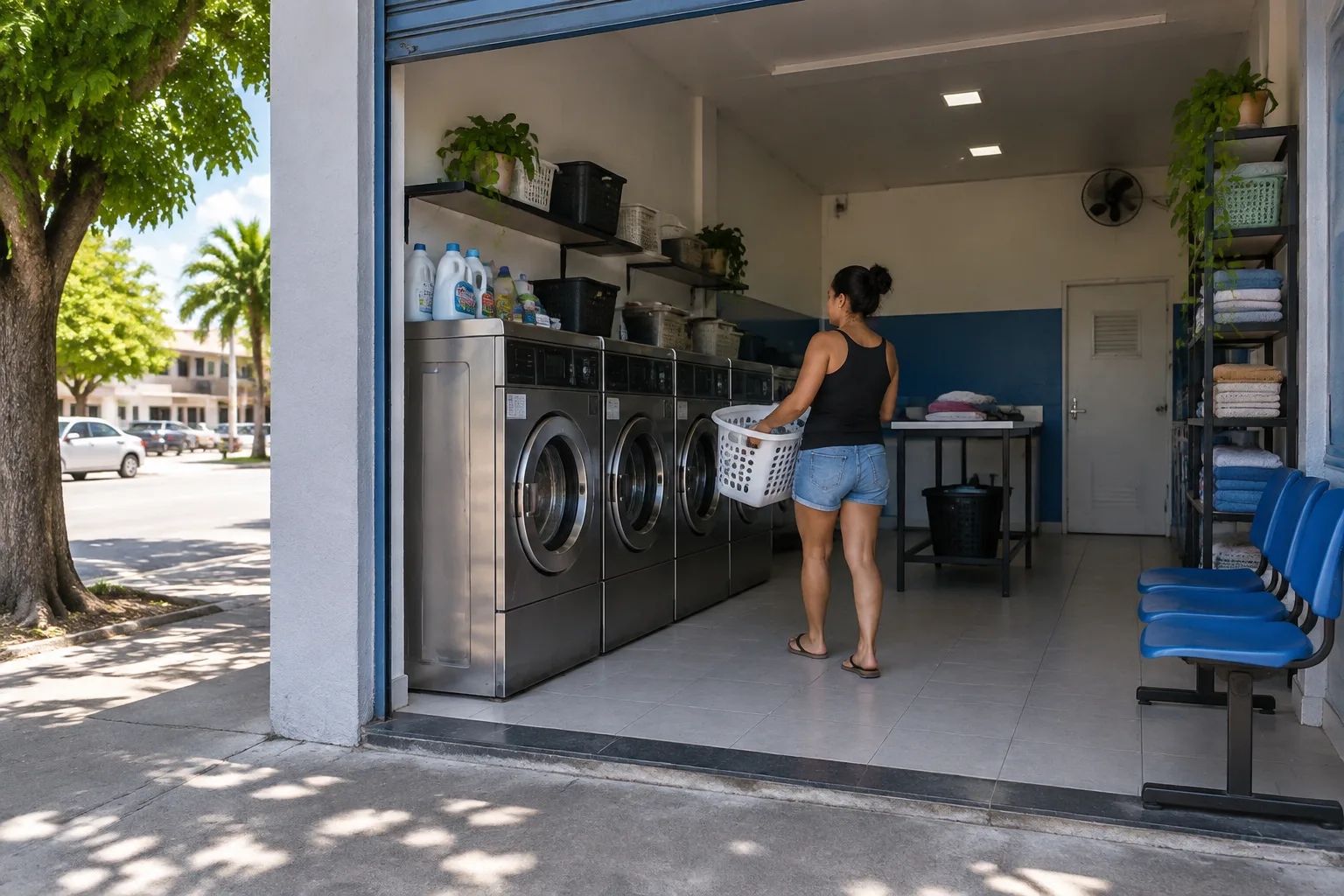
Among the brands operating in the state is Lavô, a self-service launderette chain. The company reports four outlets in Amapá: three in the state capital, Macapá, and one in Santana, a municipality within the metropolitan area. The chain is expanding its presence in this area and has not ruled out moving into other parts of the state.
Its current footprint shows that the brand’s presence already extends beyond the capital. Expansion further inland, however, should be treated as a possibility rather than a confirmed opening: no specific location has been announced.
Another network with local plans is Maria Brasileira, which provides domestic and commercial services. With one outlet in Macapá, the brand plans to open two more operations in Amapá by the end of 2026, including one in Santana. This is an expansion target, distinct from its existing operating network.
In weight management and aesthetic treatments, Emagrecentro is also part of the state’s franchise sector. The chain, which has more than 400 outlets across Brazil, operates one clinic in Macapá. These examples illustrate the range of services available locally, but the figures do not establish how much any of them contributed to the state’s growth.
Launderettes reflect a growing national market
Launderette operations in Amapá sit within a broader national expansion in cleaning and maintenance businesses. According to ABF, this category grew by 17.6% in the second quarter of 2026, with self-service launderettes particularly prominent.
This figure helps put Lavô’s presence into context, but its scope differs from that of the Amapá results. The 17.6% figure covers one business category across Brazil over a single quarter; Amapá’s 12% covers franchise turnover across the state over six months.
The two figures should therefore neither be compared as equivalent measures nor used to conclude that launderettes account for local growth. They show positive trends at different scales.
Growth also calls for better network management
Expansion brings management challenges. Guilherme Reitz, co-founder and chief executive of Yungas, believes that franchise growth increases the need to organise processes and centralise information. The technology platform serves 23 outlets in Amapá and connects more than 32,000 operations in Brazil and abroad.
In his assessment, spreading communications, training, performance indicators and process management across different tools consumes managers’ time and can make problems harder to identify. For networks expanding their footprint, overseeing day-to-day operations involves more than announcing new locations.
In practice: Amapá’s growth deserves attention, but it is no substitute for assessing each business individually. Before investing, distinguish between outlets already open and announced expansion targets, and examine how the network monitors and supports its local operations.
Sources
- Franquia de call center é a maior tendência de 2027
- Black Friday de franquias não reduz investimento total, alertam especialistas
- Franquias crescem 12% no Amapá e estado está entre os cinco que mais avançam no Brasil
- Fora das capitais, franquias encontram novos caminhos para crescer no Brasil
- Franquias sem funcionários: cafeterias, mercadinhos e lavanderias autônomas
- Expo Franchising Rio: a escolha depois da feira