Kentucky seeks franchisees to open 20 outlets in 2027
The pizza chain is prioritising Buenos Aires city and its innermost suburbs. Initial investment starts at US$150,000, and franchisees must take an active role.
Published
Kentucky plans to open 20 outlets in 2027 and is seeking new franchisees, prioritising the City of Buenos Aires and its innermost suburbs. Initial investment starts at US$150,000, and the opportunity is aimed at operators with management skills and a willingness to be involved in the business, Victoria Frangi, the brand’s Director of Expansion and Franchising, told iProfesional.
Expansion focused on Buenos Aires
The chain currently has 76 outlets: 58 company-owned locations, 15 franchises in Argentina and a further three in Uruguay. Its stated target for 2027 is to add 20 outlets. This is a growth projection, not a count of outlets already opened or contracts confirmed.
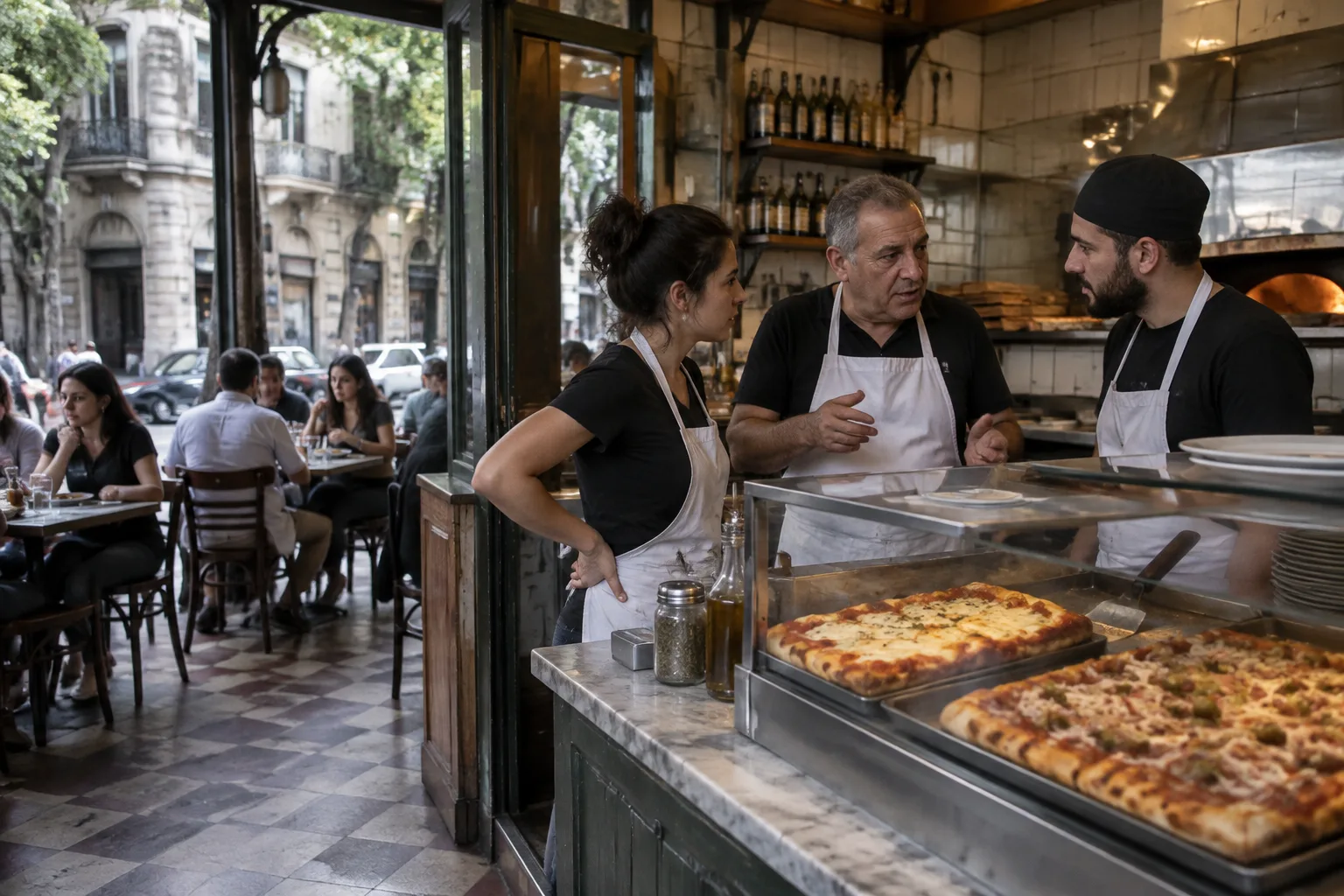
The search has a clear geographical focus. Kentucky is prioritising the Autonomous City of Buenos Aires, known locally as CABA, and the innermost ring of suburbs in Greater Buenos Aires. It is looking for premises suited to its neighbourhood pizzeria format, combining eat-in dining with several other sales channels.
For new outlets, the brand seeks premises of at least 150 square metres. It prefers corner sites with good visibility and strong pedestrian and vehicle traffic. Proximity to schools and other educational institutions, sports facilities, healthcare facilities or entertainment venues is also valued.
These requirements form part of the assessment of each location. Prospective franchisees therefore need to consider not only the initial outlay but also the availability of premises that meet the chain’s criteria.
Investment, monthly fees and estimated payback period
Initial investment starts at US$150,000. According to Frangi, the amount varies mainly with the size of the premises and their seating capacity. The published figure is therefore a starting point, rather than a fixed budget that applies to every outlet.
In addition to this investment, franchisees pay monthly royalties of 4% and an advertising fee of 1%, according to the information provided by Frangi.
On payback, Frangi said the brand estimates an average of 24 months under a conservative scenario. This is the company’s estimate, not a guarantee of results for any individual franchise. When assessing a specific opportunity, prospective operators should check that timeframe against the budget and circumstances of the proposed outlet.
The format combines a dining area with table service and a counter selling pizza by the slice. All outlets also offer order collection and a digital sales channel. Each location therefore serves customers in several different ways.
Staffing, supply and support
An outlet requires an average of 12 employees. This gives an indication of the team management responsibilities that come with the investment and helps explain the importance the chain places on franchisee leadership.
On supply, Frangi said that almost 90% of production is handled by approved suppliers. Some work exclusively for Kentucky. The model therefore relies on a supply structure defined by the brand, alongside recipes and processes that operators must follow.
Before opening, Kentucky helps with the feasibility assessment, site selection, and design and architectural planning. It also supervises building work and provides staff with two weeks of theoretical and practical training.
Support continues after opening, covering commercial matters, operations, supply and profitability. The advertised assistance therefore extends from preparing the outlet to supporting its ongoing operation.
What Kentucky looks for in a franchisee
The chain is seeking people with investment capital and commercial experience. A background in the food service sector is not required, but leadership, a customer focus and an understanding of the business’s economics and finances are essential.
The brand also requires a willingness to follow recipes and processes and comply with audits. Its assessment includes candidates’ interest in the product and alignment with its values. The desired profile combines financial resources with active involvement: this is not presented as a purely passive investment opportunity.
Practical next steps: before proceeding, request a site assessment, a location-specific budget and a financial projection that includes staffing, royalties and advertising fees. The US$150,000 starting investment and estimated 24-month payback period are reference points for an initial assessment, not substitutes for evaluating each outlet individually.
Sources
- Las franquicias argentinas siguen creciendo, con nuevos desafíos de rentabilidad
- El cordobés que con sus empanadas "gigantes" sumó 12 locales y apuesta a cruzar límites en 2027
- Franquicias: crecen 1,9% pero la mitad pierde con ...
- Remax logra una victoria contra el colegio inmobiliario porteño, en un guiño desregulador
- Del impulso a la eficiencia: por qué el modelo de franquicias sigue consolidándose en la Argentina
- www.iprofesional.com › negocios › 465449-cuantoCuánto cuesta abrir una franquicia de pizza Kentucky
- La polémica ley que busca resolver la guerra de farmacias en Mendoza
- REMAX cumple 15 años en Córdoba: de una primera oficina a una red de emprendedores que sigue creciendo