GDN agrees to buy Día Argentina for US$53.8 million
The agreement covers a network of 991 company-owned and franchised stores. Completion is scheduled for 12 November 2026.
Published
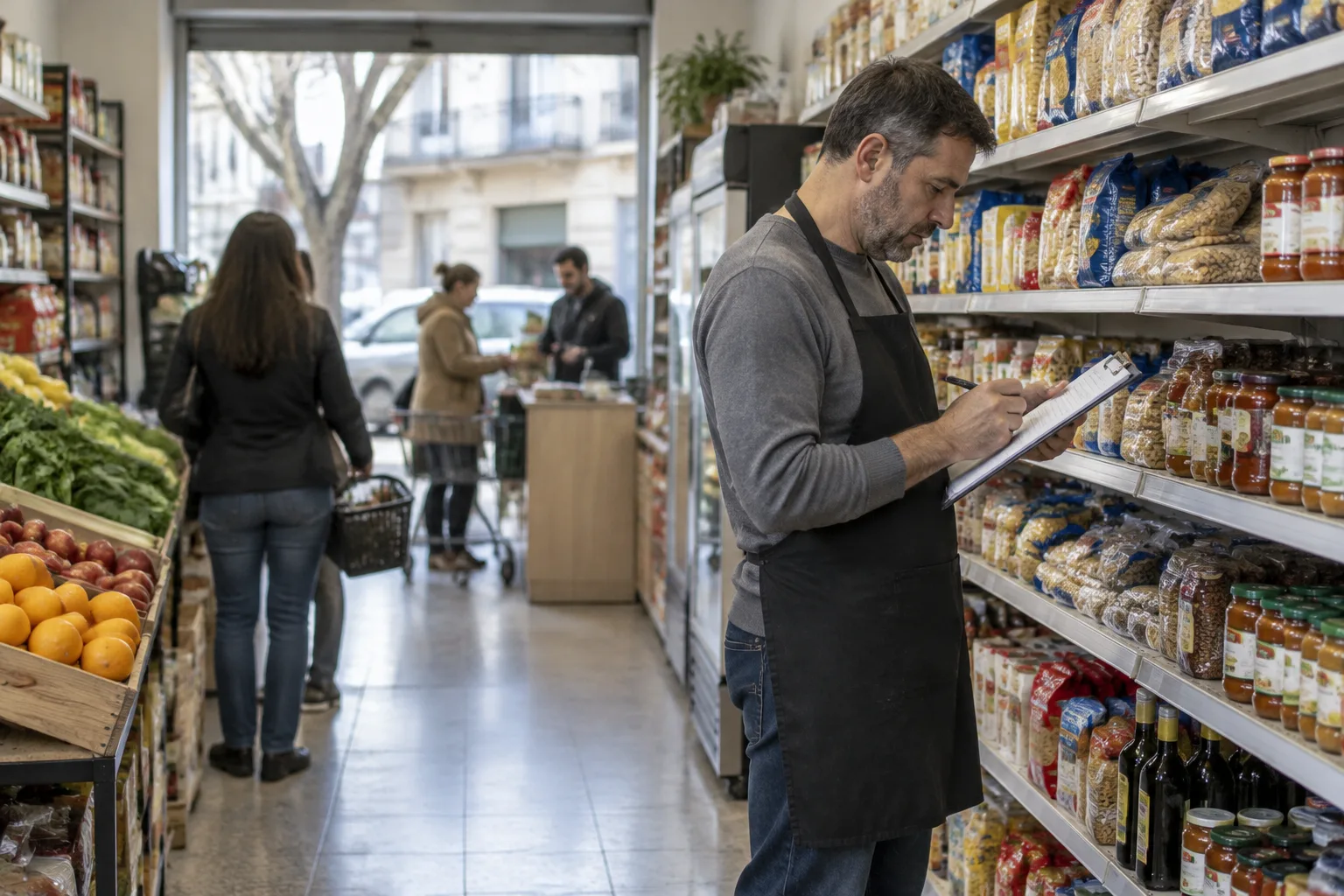
The sale of Día Argentina now has a buyer and an expected completion date. The Spanish group has confirmed an agreement with Dorinka S.R.L., a company controlled by Grupo de Narváez (GDN), for US$53.8 million. The transaction covers a network of 991 company-owned and franchised stores and marks a new chapter for a franchisee community with a strong presence in Buenos Aires.
From the sale process to an agreement with GDN
According to Infobae's report on 5 November, GDN, the owner of Changomás, secured the deal ahead of Intercorp and PedidosYa, the other interested parties involved in the negotiations. Both the Spanish group and GDN Argentina confirmed the acquisition agreement.
The agreement sets an approximate price of US$53.8 million, equivalent to around €48 million at the exchange rate on the day of the announcement. Payment will be made in cash on completion, which is scheduled for 12 November 2026.
That distinction matters: the announcement concerns a sale agreement with a scheduled completion date, rather than confirmation that every stage of the transfer has already been completed. For the Argentine network, it identifies the prospective owner and sets out the expected timetable for the transaction.
The purchasing entity is Dorinka S.R.L., which is controlled by GDN. Día's Argentine subsidiary will therefore become part of the group led by Francisco De Narváez, which already operates supermarkets in the country through Changomás.
A network of 991 company-owned and franchised stores
Día entered the sale process with 991 stores in Argentina as at the end of September. This figure includes both company-owned and franchised outlets and should not be read as the total number of franchises.
The chain has a particularly strong presence in the City of Buenos Aires and the surrounding Province of Buenos Aires. According to the published information, adding this network will take GDN's estate to more than 1,000 stores across 22 provinces, supporting over 15,000 direct and indirect jobs.
For the franchise community, the key point is that franchised stores make up a significant part of the business covered by the transaction. Franchise agreements were also examined during the negotiations and identified as a central component of Día's business model.
The scope of the purchase therefore extends beyond stores operated directly by the company. It also encompasses the chain's commercial relationships with those who run stores under its franchise system.
The buyer emphasises continuity
When announcing the acquisition, De Narváez stressed the importance of maintaining relationships with customers, employees, franchisees and suppliers. His statement explicitly referred to the community operating the brand's stores.
“In this new chapter, we will continue serving our customers alongside our store teams, consolidating our relationship with the franchisee community and strengthening the value chain with domestic suppliers,” he said, as reported by Infobae.
The Spanish group also presented the sale as a way to ensure continuity for the Argentine business through a buyer with experience of operating supermarkets in the local market. It highlighted the preservation of the store network and relationships with franchisees and suppliers.
These statements set out the intentions announced by both parties. They do not, in themselves, provide details of how each store will operate after completion or specify any changes to franchise agreements.
The Spanish group's exit and the next step
The transaction marks the Spanish company's exit from the Argentine market against a backdrop of falling consumer spending and difficulties maintaining profitability, according to the published information.
For the parent company, the sale will remove the need for further capital injections to support the Argentine operation and reduce its exposure to exchange-rate volatility. For GDN, it means adding an extensive store network to its existing presence in the country.
The next scheduled milestone is completion on 12 November, when the agreed payment is due. Until then, it is important to distinguish between the commitments announced so far and any decisions communicated when the transfer takes place.
Practical takeaway: Día franchisees should follow formal communications about completion and check any contractual or operational instructions before making decisions about their stores.