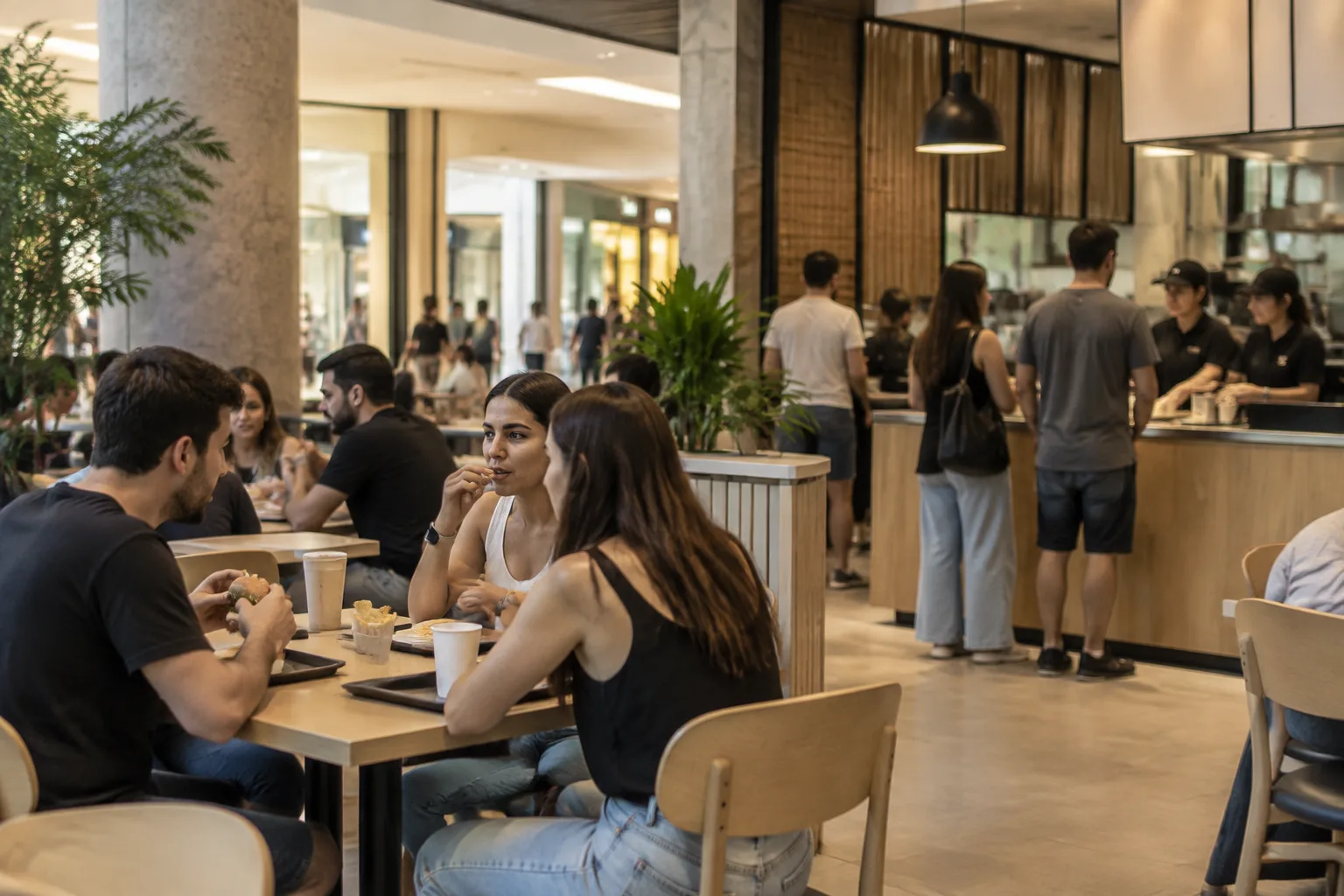
Bacigalupo brings milanesa to Miami with the Messi family
La Capital highlighted Reinaldo Bacigalupo’s business journey: the Messi family holds a stake in the brand, which has outlets in Miami and at Inter Miami’s stadium.
Published
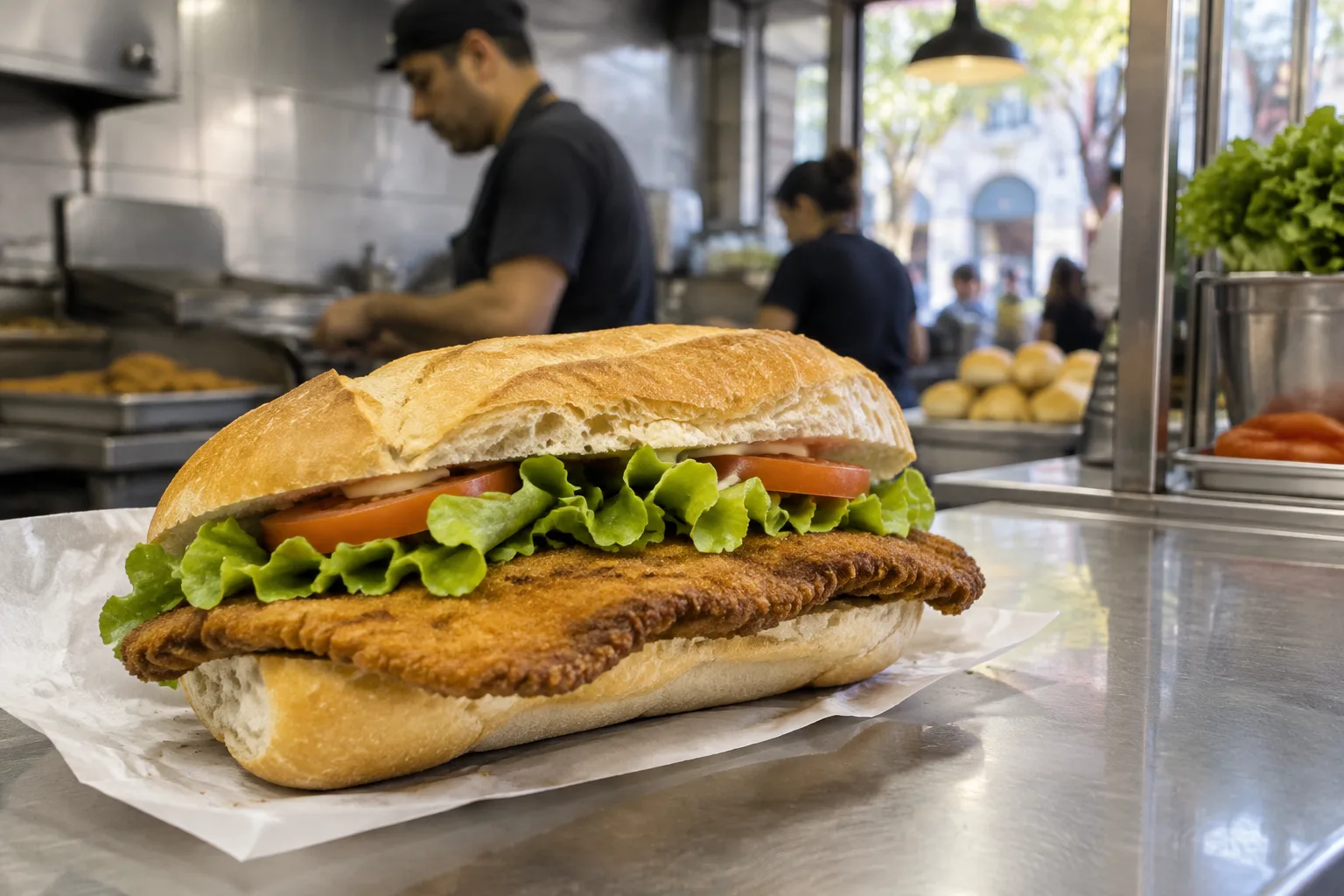
Reinaldo Bacigalupo’s journey, from bringing in franchises from Buenos Aires to taking a milanesa business international, now includes a notable development: Lionel Messi’s family has become a shareholder in the brand. According to a report published by La Capital on 1 October 2026, the business has two outlets in Miami and a sandwich stand at Inter Miami’s stadium. Milanesa is a breaded meat cutlet popular in Argentina.
From Buenos Aires franchises to a presence in Miami
La Capital charts Bacigalupo’s career through a shift in scale: from bringing in franchises from Buenos Aires to taking milanesa abroad. His journey offers an interesting case for Argentina’s franchise community, linking experience with local business concepts to a food business operating overseas.
That presence consists of two outlets in Miami and a sandwich stand at Inter Miami’s stadium. The distinction matters: the report describes two types of sales outlet, not three equivalent restaurants. Nor should the stadium stand be treated as an outlet with the same operating characteristics as the other premises.
The available information does not specify opening dates, floor areas or the investment in these sites. It therefore establishes a commercial presence, but does not allow readers to calculate the pace of openings or compare the cost of each format.
The Messi family’s stake in the brand
Another development highlighted by La Capital is the footballer’s family becoming a shareholder. This is an ownership stake in the brand, rather than a commercial endorsement or a celebrity appearance in an advertising campaign.
The available material does not specify which family members are involved, the percentage acquired or the value of the transaction. Nor does it identify any management responsibilities. It would therefore be inaccurate to suggest that Lionel Messi personally runs the business or that his family is the majority shareholder.
The report links the family’s involvement to the prospect of strengthening the expansion. That expectation must be distinguished from the results already reported: the shareholding and the outlets are reported facts; future openings require specific announcements before they can be considered confirmed.
Two formats to examine, not conflate
For those in the franchise sector, this case highlights the distinction between a food outlet and a stand inside a stadium. The sandwich offering mentioned by La Capital represents a separate format within the business’s Miami presence.
However, that variety does not in itself demonstrate that franchises are available for each format. The material provided does not establish whether the US outlets are company-owned, franchised or operated under another arrangement. Bacigalupo’s background in franchising also does not mean that the same model necessarily applies to all his current operations.
This distinction is important when interpreting the news. A brand’s international expansion, the addition of shareholders and the sale of franchises are separate business decisions. They may be linked, but one does not prove the existence of the others. In this case, the available evidence supports the brand’s presence in Miami and the Messi family’s shareholding.
What Argentina’s franchise community can learn from this case
The news offers an example of a milanesa business expanding internationally as part of Bacigalupo’s business journey. Its relevance does not depend on attributing growth targets that have not been announced: the two outlets and stadium stand already represent a tangible presence outside Argentina.
Prospective franchisees should distinguish that market presence from any potential investment opportunity. Before proceeding, they should check whether a franchise offer is currently available, which territories it covers and who operates each outlet. The shareholders’ high profile is no substitute for that documentation.
In practice: treat this case as an example of expansion, and verify the contractual model before interpreting it as an available franchise opportunity.