Alsea injects US$10.23 million into Burger King Argentina operator
Alsea has strengthened the capital base of Burger King’s Argentine operator and decided to retain the business after receiving unattractive purchase offers.
Published
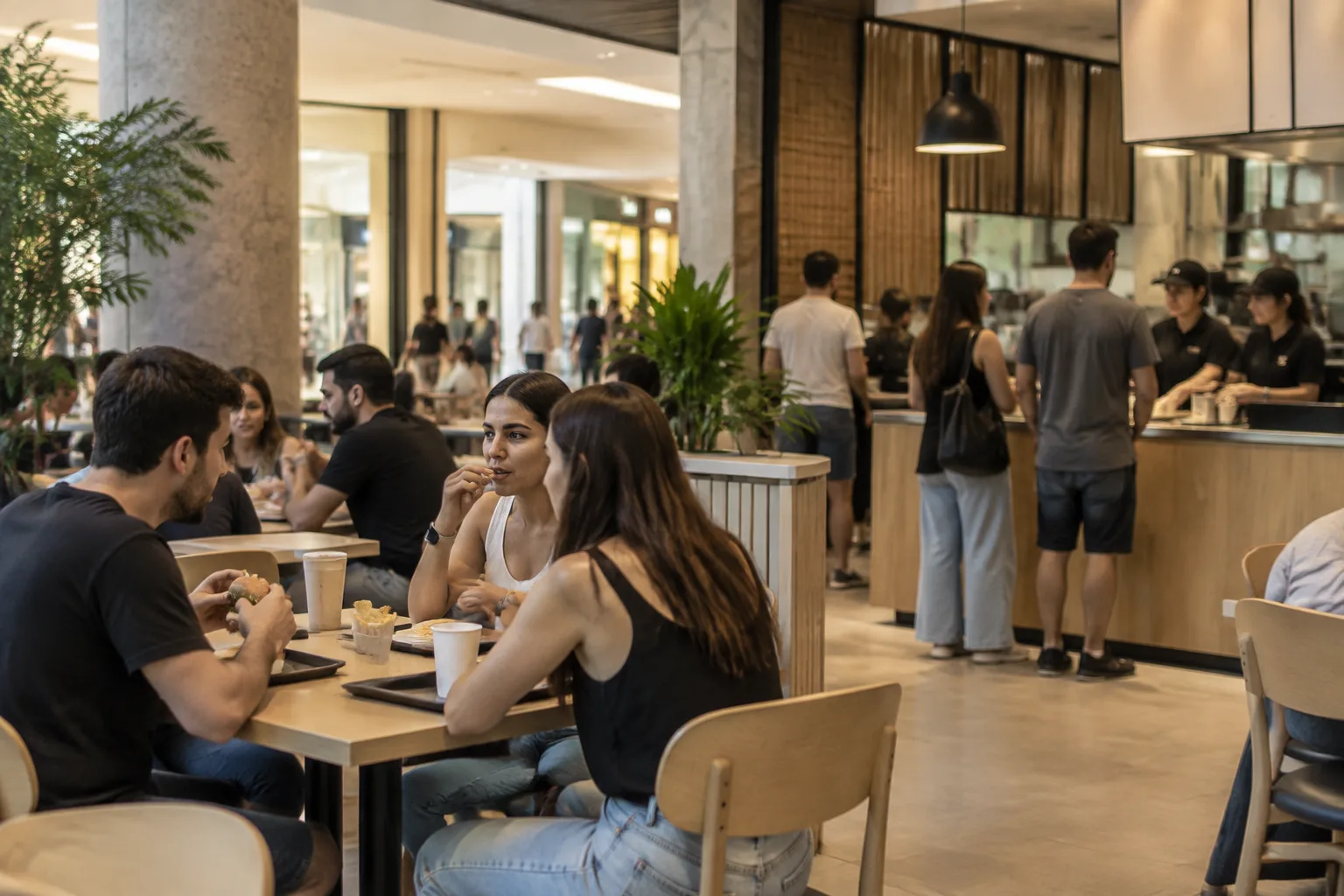
Alsea has injected US$10.23 million into the capital of Fast Food Sudamericana, the company through which it operates Burger King in Argentina, after reviewing its plans to sell the business. The decision keeps the chain within the Mexican group and brings news for the franchise sector: the operator’s continued involvement is backed by capital contributions and an intention to proceed with restaurant openings and refurbishments.
Three contributions to strengthen the local operation
According to a report published by Crónica del NOA on 25 September 2026, the capital injection took place in three stages between June 2025 and June 2026. The cash contributions totalled US$10.23 million, calculated at the wholesale exchange rate applicable on the date of each transaction.
The publication states that, on 25 September, Alsea published a notice about the capital increases in Argentina’s Official Gazette. According to that information, the increases were carried out by capitalising cash contributions from the Mexican company.
The distinction matters: the amount represents a strengthening of the Argentine subsidiary’s capital base. The available information does not describe it as a dedicated restaurant construction budget or specify how much will go towards refurbishments. The capital injection should therefore not be confused with an announcement of investment of the same amount in new outlets.
The final contribution came four months after Alsea changed its position on the sale. The series of contributions therefore spanned both the search for a buyer and the subsequent decision to retain the business.
From seeking a buyer to retaining Burger King
During 2025, Alsea began a process to sell its Argentine Burger King operation. The review also covered the brand’s businesses in Mexico and Chile, according to the account published by Crónica del NOA.
By early February 2026, talks had yet to produce an agreement, and the group continued to run the chain. Two weeks later, the company changed course: faced with offers it considered unattractive, it announced that it would keep Burger King in its portfolio, at least for the time being.
Alongside that decision, it set out its intention to continue opening and refurbishing restaurants in Argentina and Chile. This signals operational continuity, although the source material provides no opening schedule, future locations or separate budget for those works.
The timing qualification also matters. The reported decision was to retain the operation for now; it does not amount to a commitment to rule out any future sale.
How the franchise operates in Argentina
Burger King entered Argentina in 1989. Alsea acquired the chain’s operations in Argentina and Chile in 2006, as it began its international expansion.
Since then, Fast Food Sudamericana has formed part of the group’s structure for developing Burger King in the Argentine market. The model is based on franchise agreements with Burger King Corporation: Alsea operates the restaurants and develops the local business, while the brand is owned globally by Restaurant Brands International.
Alsea’s 2025 Integrated Annual Report, cited by Crónica del NOA, identifies Fast Food Sudamericana as the Argentine operator and records a direct or indirect ownership interest of 100%. This distinguishes ownership of the local operating company from global ownership of the brand.
Continuity, with one opening already completed
Commercial activity did not stop during the search for a buyer. On 30 January 2026, while that process was still under way, Burger King opened a restaurant at Alcorta Shopping, a shopping centre in Argentina.
That opening is a concrete development during a period of business review. On its own, it does not indicate the pace of subsequent growth, but it shows that the sale process ran alongside the development of the Argentine network.
For those following the franchise sector, the practical takeaway is to distinguish between three things: capital injected into the operator, the brand’s continued operation and expansion projects. Before assessing opportunities linked to a network, it is worth checking who operates the franchise and which openings are actually confirmed, rather than interpreting a capital contribution as an offer to recruit new franchisees.