Burger King Argentina: Integra signs agreement with Alsea
The agreement covers a network of 107 company-owned and franchised restaurants. The transfer requires approval, while the buyer plans a future tie-up with Shell.
Published
The deal for Burger King Argentina has taken a formal step forward: Integra, José Luis Manzano’s holding company, has signed a binding agreement with Mexican group Alsea to acquire the local business. According to a report by Perfil on 14 November, the transfer remains subject to regulatory approvals and other conditions. The network involved comprises 107 company-owned and franchised restaurants.
Agreement signed, completion still pending
The signing was confirmed on Friday 13 November, marking a step forward from the talks reported several weeks earlier. Buyer and seller now have a binding commitment, but this does not mean the transfer is complete: the outstanding conditions must be met before control can change hands.
This distinction matters to the franchising sector. The deal concerns the business operating Burger King in Argentina, not ownership of the brand worldwide. The brand remains owned by Restaurant Brands International.
If the transfer is completed, Manzano will take control of a business combining company-owned and franchised restaurants. The 107 outlets make up the Argentine network covered by the transaction; they are neither new openings nor an expansion target announced by the buyer.
What the Argentine business includes
Burger King has operated in Argentina since 1989, and its local business is managed by Fast Food Sudamericana. Franchise agreements, which authorise the use of the brand and its business system at specified locations, are a central part of the business covered by the deal.
For Alsea, the signing marks further progress towards its intended sale of the Argentine operation. During 2025, it received offers that fell short of its expectations. The agreement with Integra now represents a concrete step forward, although completion remains subject to approvals and the transaction’s other requirements.
The deal’s local scope also helps clarify the announcement for those following investment opportunities. This is the acquisition of an existing operation, with an established network and franchise agreements forming part of its structure. The signing should not be confused with the launch of a new franchise offering.
Shell features in the expansion plans
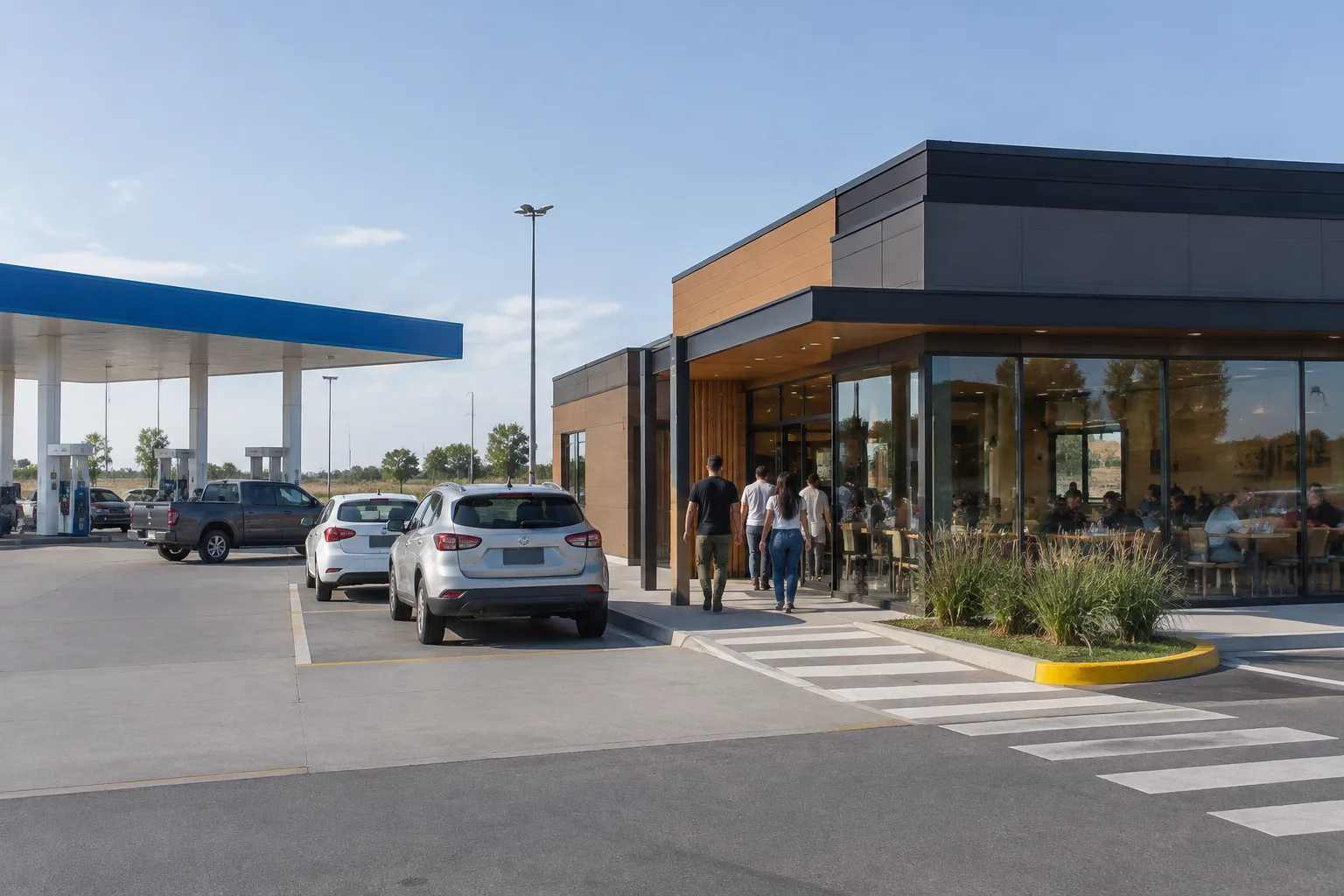
The buyer’s plan includes bringing Burger King restaurants to Shell service stations. The aim is to broaden the range of services at these sites and attract both customers refuelling their vehicles and those looking for somewhere to have lunch or dinner.
The link to this network is through Sígnar Energy, the company operating the assets acquired from Raízen. Manzano holds a 20% stake in the company; Swiss trading group Mercuria controls 60%, and Edenor owns the remaining 20%. The business continues to use the Shell brand under licence.
The assets acquired from Raízen include a network of 892 Shell service stations. This figure provides context for the scale of the fuel business, but it does not amount to a plan to open 892 restaurants. According to the published information, the addition of Burger King will depend on the space available and demand at each station.
The strategy aims to compete with the format developed by YPF and Arcos Dorados, the McDonald’s operator, which combines restaurants and Full convenience stores on the same site.
What to watch next
For the franchising sector, the transaction involves two distinct stages: first, the potential completion of the transfer from Alsea to Integra; then, the development of the planned commercial tie-up with Shell. The signed agreement relates to the first stage, while restaurant openings at service stations remain a proposal dependent on conditions at individual sites.
The practical takeaway is to distinguish the change of control from potential openings. Anyone assessing opportunities linked to Burger King should monitor completion of the transfer and future announcements on locations and commercial terms, rather than treating the service station network as a franchise offering that is already available.