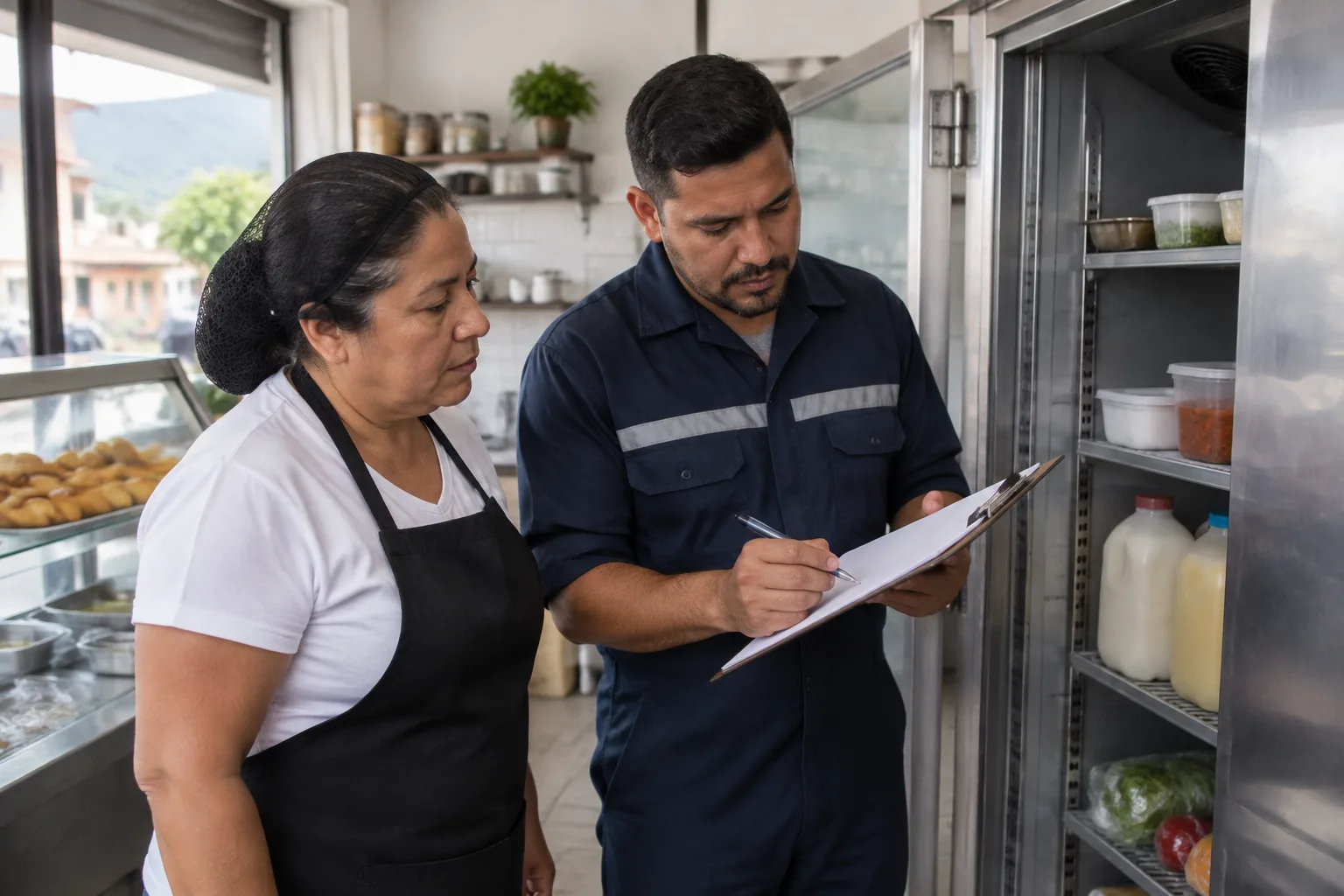
Testing a Pilot Outlet Before Franchising in Venezuela
Turn a company-owned outlet into a useful test: define what needs validating, record issues and make evidence-based decisions before offering franchises.
Published

A successful outlet does not, on its own, prove that a business can be replicated. Before offering a franchise in Venezuela, it is worth using a pilot outlet to establish what works under reproducible conditions and what needs adjusting. This test allows new franchisees to join a network built on evidence, rather than relying solely on the original outlet’s track record.
1. Define what the pilot outlet must demonstrate
A pilot outlet is a site where you test the business model you intend to transfer. It can be an existing company-owned outlet, provided its conditions reasonably reflect those a future franchisee will face. It does not have to be the largest site or the one with the highest sales.
Start with an operational profile covering floor space, equipment, opening hours, staffing levels, the products or services offered, and the customer base. Then identify any exceptional advantages. A rental arrangement between relatives, borrowed equipment or personal purchasing discounts can distort the test results.
The central question is whether another operator could deliver the same service with resources and conditions reasonably available to them. To answer it, set out testable hypotheses, for example:
- The planned team can meet normal demand without exceptional additional support.
- Core products maintain their quality across different shifts.
- The outlet can replenish stock within the required timescales.
- Procedures allow common issues to be resolved consistently.
Each hypothesis should have a performance measure, a person responsible for recording results and an acceptance criterion defined before testing begins.
2. Design a test that includes difficult days
Do not limit observation to the launch, a successful promotion or a period of high demand. The schedule should include representative situations: quiet days, peak service periods, stock replenishment, end-of-period administrative tasks and relevant seasonal variations.
There is no universal testing period that automatically makes a business ready for franchising. The duration should allow you to observe the cycles that genuinely affect the concept. If sales depend on the school calendar or celebrations, a few weeks may provide an incomplete picture.
In Venezuela, include contingencies relevant to the location, such as connectivity outages, supply difficulties or variations in delivery times. The aim is not to create risks, but to test safe, realistic responses.
For example, check how a sale is recorded when the connection fails and how the records are reconciled afterwards. Document the fallback procedure, its limitations and the resources used. If a solution requires additional equipment, identify it as part of the model’s requirements.
3. Record results and exceptional interventions
The pilot needs a simple log that is kept consistently. Recording sales alone overlooks problems that may later affect the customer experience and the ability to replicate the business.
Organise monitoring around these areas:
- Service: service times, incomplete orders and work that needs to be redone.
- Product: waste, variations in quality and availability of essential product lines.
- People: actual hours worked and unplanned additional staffing.
- Supply: shortages, substitutions and late deliveries.
- Contingencies: the duration of disruptions and the effectiveness of fallback arrangements.
Also record exceptional support: staff sent from another outlet, transport costs covered by head office or free repairs. These do not automatically invalidate the pilot, but they mean the results cannot be treated as reflecting normal operations without adjustment.
When you change a significant variable, record the date and the reason. If you change opening hours, the product or service range and staffing levels at the same time, it will be difficult to identify what drove the improvement. Compare equivalent periods and retain both favourable and unfavourable results.
4. Distinguish operational validation from legal compliance
A pilot outlet is not a legal category that exempts a business from its obligations. It must meet the business, employment, tax, health and municipal requirements applicable to its activity and location.
Venezuela does not have a comprehensive law specifically governing franchising. This does not mean franchise relationships fall outside the law: the Commercial Code, Civil Code, Industrial Property Law and other relevant rules apply, including employment and tax legislation.
Operational testing is also no substitute for reviewing the administrative obligations applicable to the franchisor. Before marketing the model, seek local professional advice to check the relevant procedures before the Superintendencia Antimonopolio, Venezuela’s competition authority, and the status of rights to the trade mark.
5. Conclude the pilot with a documented decision
Prepare a short report comparing each hypothesis with the results. Group the findings into validated conditions, outstanding adjustments and obstacles that prevent the operation from being replicated.
If an improvement was needed, test it again before treating the issue as resolved. The final recommendation may be to proceed, extend the observation period or temporarily pause the project; none of these choices should depend solely on commercial enthusiasm.
Practical conclusion: before offering franchises, require the pilot to demonstrate a repeatable operation, with clearly identified resources and documented difficulties. A problem discovered early is an opportunity to put it right before passing it on to another business owner.
Sources
- Doing Business in Venezuela - PKF International
- Cómo Crear una Franquicia en Venezuela | PDF
- Guía para la constitución y operación de una empresa en Venezuela
- Front Consulting: "Venezuela es un país lleno de oportunidades para crear franquicias"
- 1.- república bolivariana de venezuela. - Eumed.net
- Estos son los documentos a consignar para el registro de ...
- Marco Legal de Las Franquicias en Venezuela | PDF - Scribd
- Elementos esenciales para la constitución y protección de la ...