Equipment maintenance when franchising in Venezuela
Define who maintains, repairs and replaces equipment before franchising your business in Venezuela. Avoid unclear costs and unplanned downtime.
Published
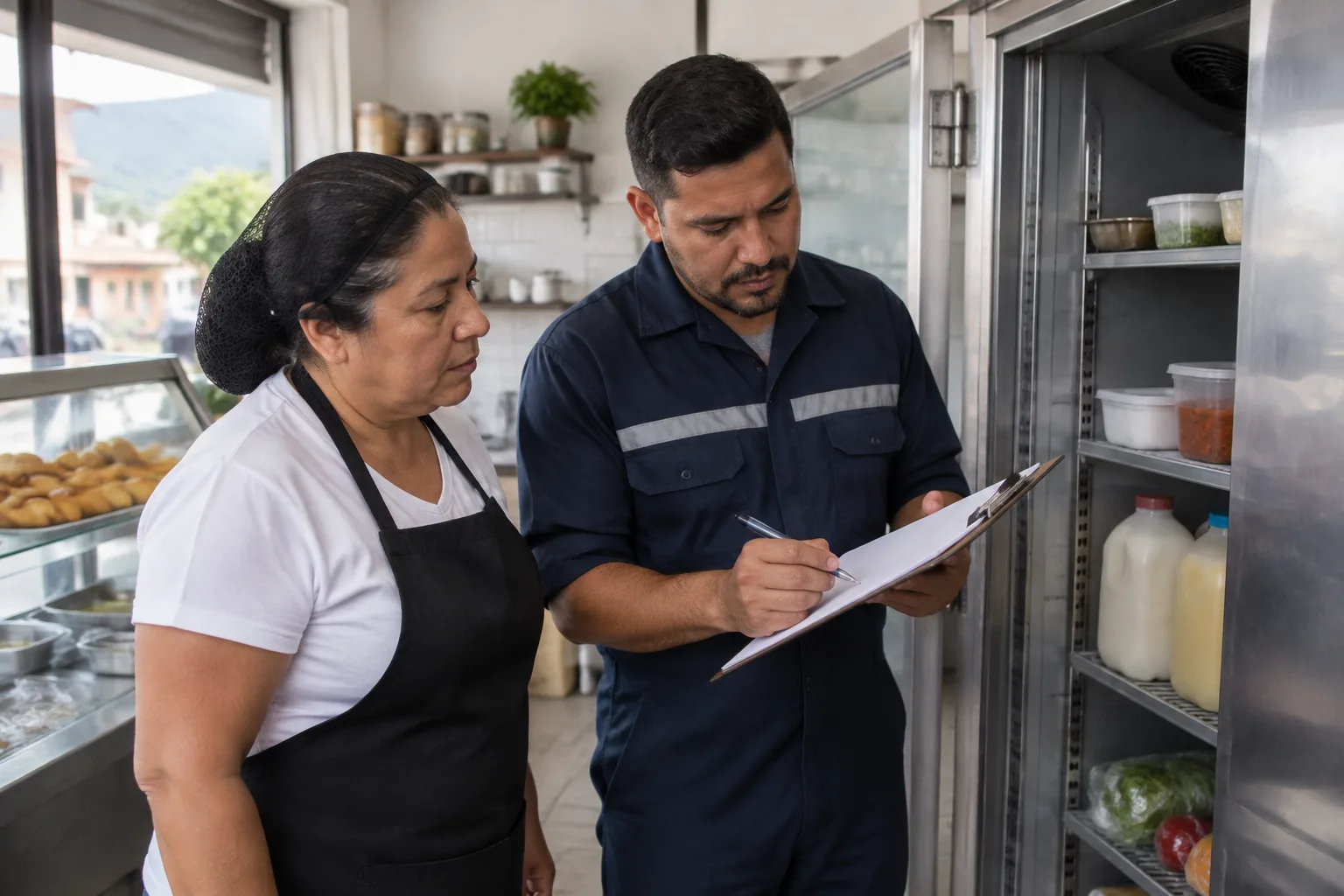
A business may run smoothly while its owner knows every machine and deals with breakdowns personally. When franchising, that experience must be turned into clear instructions and responsibilities. Across a franchise network, a refrigeration, extraction or processing equipment failure can affect both an individual outlet and the shared reputation. Before offering your business model in Venezuela, prepare a maintenance system that another business owner can implement and budget for.
1. Identify the equipment that keeps the business running
The starting point is not to hire a maintenance provider, but to establish which assets the format you intend to franchise actually needs. Prepare an inventory for each outlet, recording each item’s identification, function, capacity, age, warranty, supplier and available technical documentation.
Classify each asset according to the consequences of its failure:
- Critical: a breakdown prevents safe operation or delivery of the core service.
- Important: a breakdown reduces capacity or affects the customer experience, although limited operation remains possible.
- Supporting: a temporary workaround is possible without compromising essential standards.
A fridge used to store food does not need the same treatment as a decorative display screen. For each critical item, identify which activity must stop, who can authorise its resumption and which checks are required.
Also review whether the equipment used in your original business is suitable for future outlets. A machine that is difficult to repair outside your city could become an obstacle to replicating the model, even if it works perfectly today.
2. Turn experience into a workable plan
Create a maintenance sheet for each item of equipment. It should distinguish between tasks that staff can perform and those reserved for a competent technician. Include cleaning, inspections, preventive maintenance, warning signs and records that must be kept.
Maintenance intervals should be based on the manufacturer’s instructions, actual usage and a technical assessment, rather than a schedule chosen for convenience. Avoid presenting an internal recommendation as though it were a universal legal requirement.
Test the sheets at your own premises before giving them to a franchisee. Check whether a trained person understands the instructions, how long the tasks take and whether they require service to be interrupted. Record any questions and revise the document.
The plan should also cover contingencies relevant to the location, such as power cuts or difficulties obtaining spare parts. Any electrical protection, backup system or alterations to the premises’ installations should be assessed by competent personnel.
For each incident, set out a short procedure: stop the equipment where appropriate, protect products and people, notify the person responsible and document the diagnosis. Do not allow commercial pressure to justify makeshift repairs or the disabling of safety devices.
3. Allocate responsibilities and costs in writing
The franchise agreement and its schedules should align with the operating plan. Simply requiring the franchisee to keep equipment ‘in good condition’ is not enough: that wording leaves questions about payments, authorisations and replacements unanswered.
Define, at a minimum:
- Who buys the equipment and who owns it.
- Who arranges and pays for preventive maintenance and repairs.
- Who handles warranty claims and keeps invoices.
- Which work requires prior authorisation.
- How the need to replace an item of equipment is determined.
- The procedure for approving technically equivalent alternatives.
Distinguish between replacement due to wear and tear and a change required by the franchisor to update the format. Each situation may have different financial implications and needs clear rules on justification, notice and implementation.
Venezuela has no comprehensive law specifically governing franchising. The contractual relationship is based primarily on the Civil Code and Commercial Code, alongside the rules applicable to each business activity. Maintenance may also be subject to the Organic Law on Prevention, Working Conditions and the Working Environment, health regulations and relevant municipal ordinances.
A private agreement on who pays for a repair does not replace statutory safety obligations. Seek legal and technical review before finalising these clauses.
4. Check that the system is sustainable
Before bringing franchisees on board, obtain maintenance quotations and warranty terms, and check technician availability. Verify the actual geographical coverage: having support in your home city does not mean it is available elsewhere.
Keep a history for each item of equipment, recording breakdowns, work carried out, parts replaced and downtime. This information helps improve specifications and identify assets that cause recurring problems.
Give the franchisee a schedule, support contacts and a procedure for reporting incidents. Clarify what support the franchisor provides and which services each outlet must arrange directly.
Practical conclusion: before franchising, have an inventory identifying critical equipment, tested maintenance sheets and a contractual allocation of responsibilities in place. If no one can explain who takes action, who pays and when operations must stop, maintenance still depends on improvisation.
Sources
- Comprar franquicia en Venezuela: permisos antes del cierre
- Doing Business in Venezuela - 2026
- Franquicias en Venezuela: Guía Legal y Claves | PDF
- Cómo Crear una Franquicia en Venezuela | PDF
- Front Consulting: "Venezuela es un país lleno de oportunidades para crear franquicias"
- Guía para la constitución y operación de una empresa en Venezuela
- Requisitos para una franquicia en Venezuela
- 1.- república bolivariana de venezuela. - Eumed.net