Customer complaints: prepare your process before franchising
Define how to receive, resolve and document customer complaints before franchising your business in Venezuela.
Published
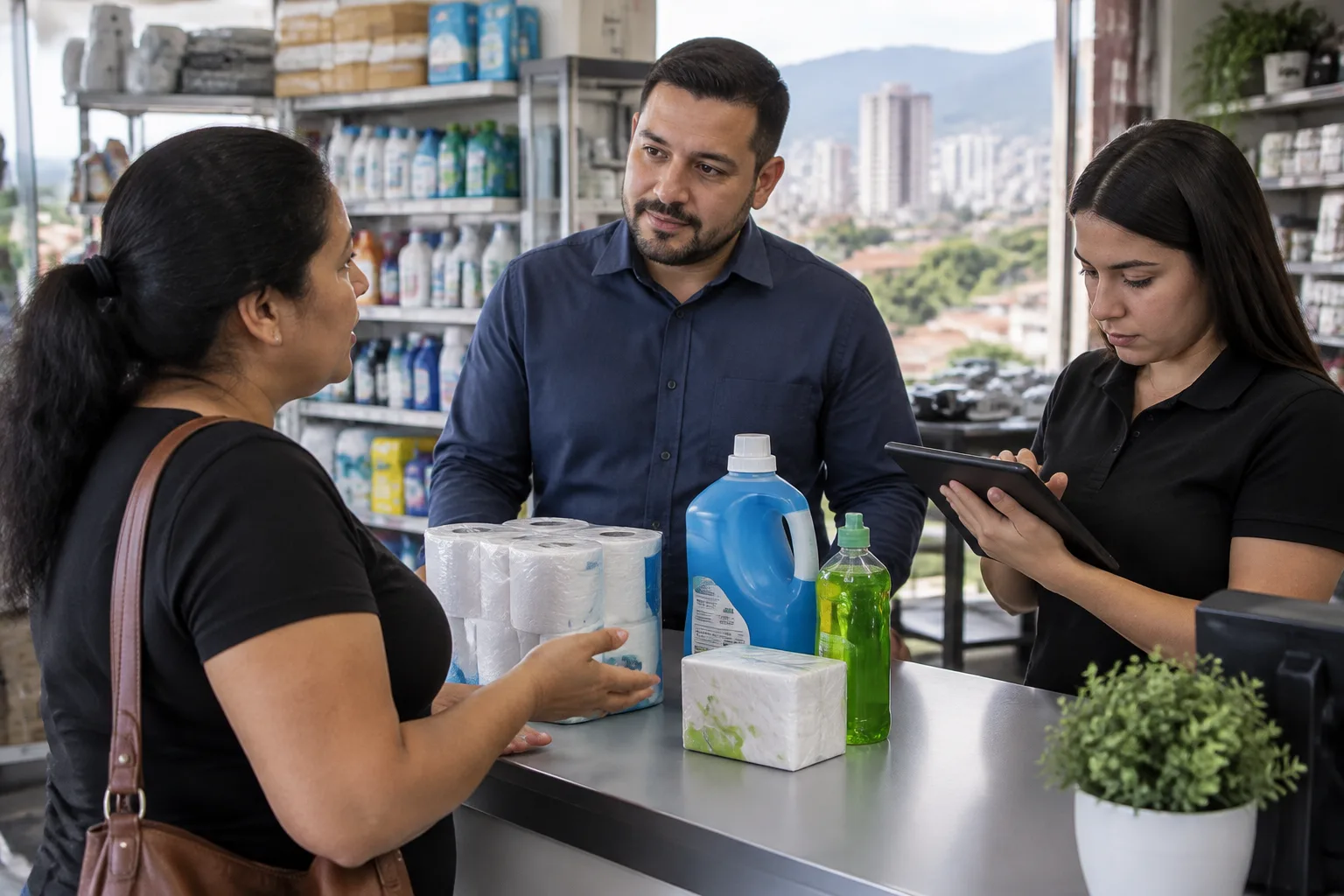
Before franchising a business in Venezuela, it is worth checking what happens when a sale goes wrong. Customers recognise the brand, but may not know which company operates each outlet. Without a shared procedure, a straightforward return can lead to contradictory responses and damage trust. Preparing your complaints process helps build a consistent franchise network without blurring its members’ responsibilities.
1. Identify who sells and who responds
Start by mapping the customer journey: where customers buy, who issues the invoice, how they receive the product and which channel they use if a problem arises. Do this separately for in-store sales, home delivery orders and purchases through third-party platforms, where applicable.
The brand on display is not enough to identify who is responsible for a transaction. Sales documents and customer service channels should clearly identify the relevant supplier, in line with applicable requirements. Customers should not have to investigate the franchise structure to lodge a complaint.
Prepare an internal matrix with four fields:
- Situation: defective product, duplicate charge, incomplete delivery or service not provided.
- Company that made the sale or provided the service.
- Person responsible for receiving and managing the case.
- Circumstances requiring the franchisor’s involvement.
If you set up a central customer service channel for the brand, establish how it will refer each case to the outlet and who will check that it has been resolved. Receiving a message is not the same as resolving it.
2. Set out remedies and authorisation limits
Classify complaints by their consequences, not just by the customer’s tone. A potential health risk needs to be handled differently from a delay or an incorrect order.
Design a simple process for each category: receipt, fact-checking, initial action, decision and final communication. Suspected unsafe products should trigger protective measures and an assessment of any notifications that may be required to suppliers or authorities.
Define what the outlet manager can resolve and when further authorisation is needed. Some remedies, such as completing an order or correcting a charge, can be approved in advance, provided they are appropriate to the case and respect applicable rights.
Also distinguish between three concepts:
- Required remedy: what must be provided under the applicable rules and circumstances.
- Commercial policy: additional terms offered by the business.
- Goodwill gesture: a voluntary benefit that must not replace a legal obligation.
Set realistic internal response targets without presenting them as statutory deadlines. Also decide who pays for each remedy and what evidence is needed to request reimbursement between companies. Do not make customer service dependent on the franchisor and franchisee first agreeing how to share the costs.
3. Align the procedure with the contract and the law
Venezuela has no comprehensive law specifically governing franchising. The contractual relationship rests primarily on the Civil Code and the Commercial Code, alongside other applicable legislation. Customer service must also take account of the Organic Law on Fair Prices and any relevant health, safety or sector-specific provisions.
The franchise agreement should set out the essential obligations: maintaining customer service channels, cooperating in response to incidents, retaining evidence and implementing agreed policies. The operating procedure can detail day-to-day steps and authorisations.
A private allocation of costs or tasks does not remove any responsibilities that the law may place on each party. Nor is it advisable to include a blanket exemption from liability for the franchisor or automatically attribute every incident to the franchisee: liability requires an assessment of the facts and the legal framework.
Have your returns policies, warranties and customer communications reviewed by a legal adviser. In particular, check that they neither promise things the business cannot deliver nor restrict rights through internal conditions.
4. Test the process before bringing in franchisees
Test the procedure in your existing business using simulated cases: a return when the manager is absent, an incorrect online order and a potential safety incident. Check whether staff can identify who is responsible and know how to act without improvising.
Use a simple log: case number, date, outlet, description, necessary evidence, person responsible, remedy and closure. Collect only relevant data and restrict access to staff who need it.
Review recurring causes, not just the number of cases closed. A repeated complaint may reveal a packaging problem, confusing instructions or a poorly worded commercial promise.
Practical takeaway: before franchising, make sure you have tested a complaints channel, a responsibility matrix and a resolution process. Customer support must continue even if the customer contacts the wrong channel.
Sources
- Los 10 mejores Abogados de Franquicias en Venezuela (2026)
- Comprar franquicia en Venezuela: permisos antes del cierre
- Franquicias en Venezuela: Guía Legal y Claves | PDF
- Doing Business in Venezuela - 2026
- Front Consulting: "Venezuela es un país lleno de oportunidades para crear franquicias"
- Guía para la constitución y operación de una empresa en Venezuela
- Marco Legal de Las Franquicias en Venezuela | PDF - Scribd
- Estos son los documentos a consignar para el registro de ...