US franchises accelerate investment plans in Venezuela
VenAmCham reports plans for store expansion and logistics centres among US franchises already operating in Venezuela.
Published

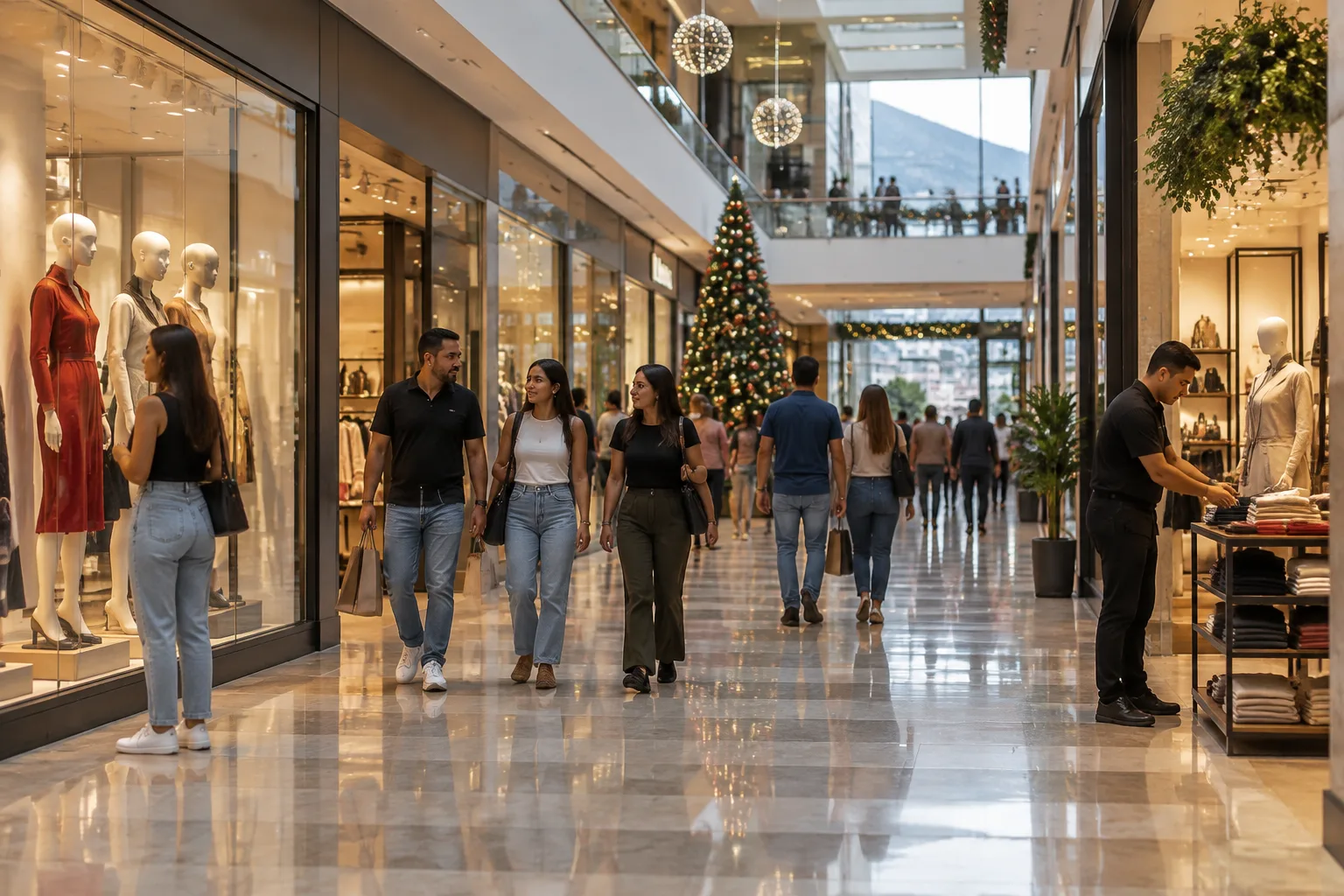
Some US franchises already operating in Venezuela are accelerating their investment plans, with projects to expand stores and develop logistics centres. Amaru Liendo, president of VenAmCham, outlined the plans in comments reported by Bloomberg Línea on 12 November 2026. The activity points to growth in existing operations, beyond efforts to attract new brands to the country.
Stores and logistics are the focus
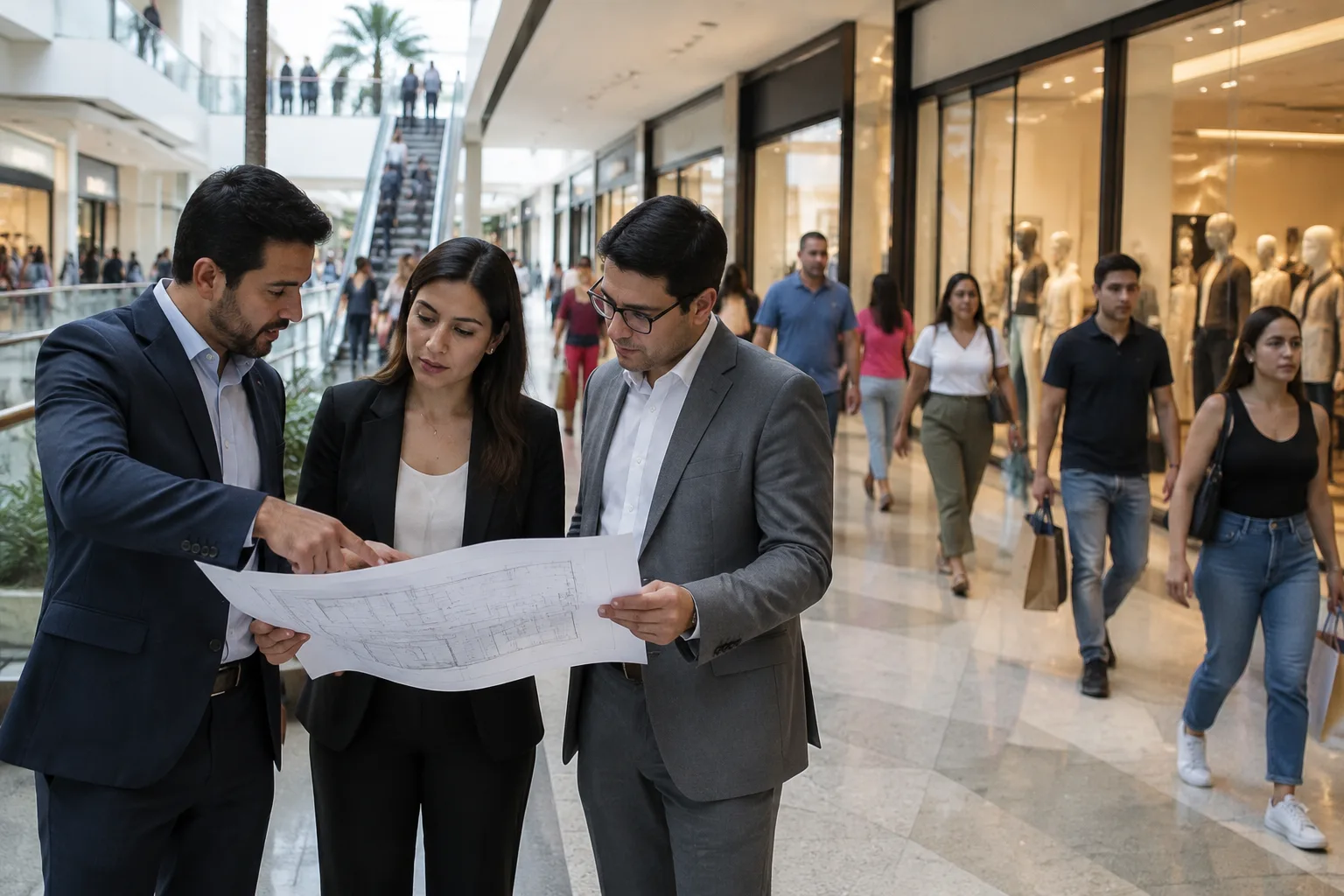
Liendo said he had accompanied some of these companies on visits to different parts of Venezuela to assess potential new openings. His comments place the search for locations and logistics development among the priorities of companies considering expanding their presence.
The scope of the announcement is specific: it concerns investment plans by US franchises already operating in the Venezuelan market. It is not a tally of completed openings, nor does it suggest that all US brands present in the country have such projects under way.
Store expansion and the development of logistics centres are the two elements mentioned by the VenAmCham president. Both form part of the expansion described, although his comments do not establish a shared timetable for implementation.
Liendo believes business interest in Venezuela extends beyond oil. In his view, commerce could become one of the first drivers of economic recovery and job creation. That assessment provides context for the projects, but should be distinguished from their actual results.
Rebuilding the US brand presence
Francisco Villegas, a representative of the Venezuelan Chamber of Franchises, also identified opportunities to rebuild the presence of US brands in Venezuela. He estimated that the country once had around 120 US franchise brands, compared with roughly 20 to 25 today.
These figures are estimates, not an up-to-date census, as Villegas made clear. They help illustrate the scale of the decline he describes, but should not be presented as a definitive inventory of operating brands.
For the franchise sector, this distinction matters when assessing the potential return of international companies. A lower estimated presence does not, in itself, show how many brands will return or how quickly that recovery might take place.
Alongside these figures is another signal: some companies that have remained in Venezuela are reviewing their growth plans. Rebuilding the US brand presence could therefore involve both the expansion of existing operations and potential new market entries. The two should not be confused.
Local partnerships and different routes to market
Villegas explained that US companies can enter the Venezuelan market through direct operations, acquisitions of local businesses, partnerships with Venezuelan entrepreneurs, distribution, licensing or franchising. Franchising is one of the options mentioned, not the only route to developing business ties between the two countries.
The chamber representative encouraged Venezuelan business owners to actively seek alliances and potential international partners rather than wait for others to take the initiative. His approach emphasises local participation in any projects that may emerge.
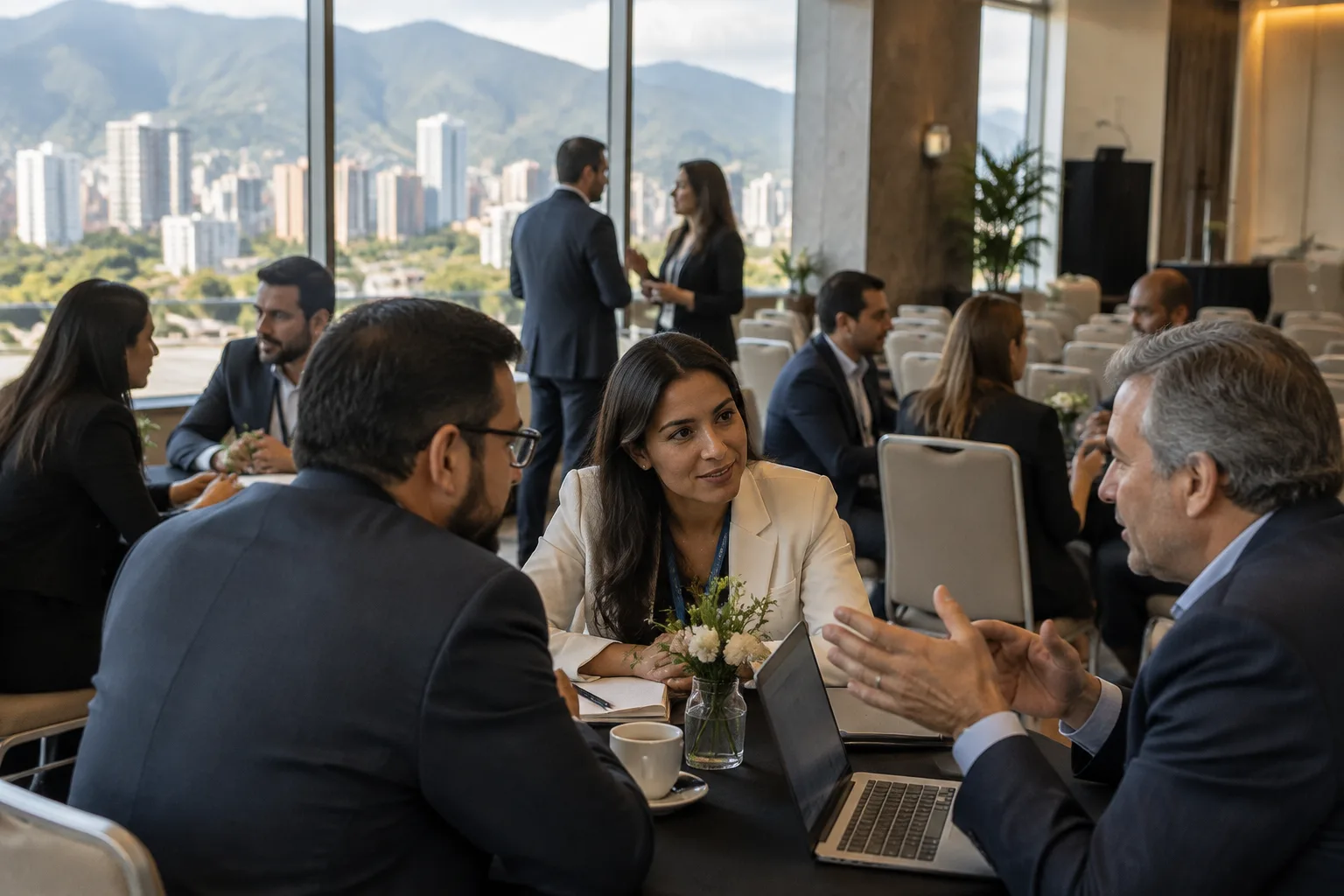
These comments came in the context of an event organised by Negocios USA and Front Consulting. Bloomberg Línea reported that a delegation of US companies was in Venezuela that week for business meetings.
The delegation’s presence provides context for the commercial interest, but the progress reported by VenAmCham relates specifically to franchises already operating in the country. Maintaining that distinction separates exploratory discussions from growth plans for established businesses.
Conditions that will shape implementation
Business representatives identified electricity infrastructure, public services, the regulatory framework and tax conditions as decisive factors in attracting foreign capital. These issues will influence how quickly new projects can move forward.
The picture therefore combines a willingness among businesses to invest with the operational and regulatory requirements needed to sustain that investment. The acceleration reported by VenAmCham does not remove those conditions or turn site assessments into confirmed openings.
Practical takeaway: before committing resources, confirm each brand’s project scope, operating model, and the availability of services and compliance requirements at the proposed location.
Sources
- Empresas de EE.UU. exploran oportunidades en Venezuela más allá del petróleo: los sectores clave
- Empresas de EE.UU. exploran oportunidades en Venezuela más allá del petróleo: los sectores clave
- Empresas
- Cavececo prevé crecimiento de 15 % para 2027 en Venezuela
- Black Friday en Venezuela: Cavececo fija el 27 de noviembre
- Caracas reunirá a marcas de EEUU y Venezuela el 12 de noviembre
- Zulia: El motor que reimpulsa la economía nacional hacia una nueva era petrolera
- Economía archivos - Página 12 de 19 - El Periódico de Monagas Noticias de Maturín Monagas Venezuela.