Proposal to Bring Back Franchise Brands That Left Venezuela
Alfonso Riera proposes bringing back familiar brands, but warns that unreliable basic services constrain franchise growth.
Published

Bringing back brands that previously operated in Venezuela is one route Alfonso Riera, president of Front Consulting, proposes for expanding the country’s franchise sector. In remarks published by Latin America Reports on 18 November 2026, the consultant highlighted the value of that prior experience, while warning that failures in basic services limit the scope for growth.
Bringing back familiar brands as a strategy
Riera’s proposal focuses on franchises that left the Venezuelan market after establishing operations in the country. His argument is that these brands have a commercial track record and recognition among consumers already familiar with their products or services.
The president of Front Consulting described attracting back companies that left recently, had been successful and remain familiar to Venezuelans as a promising strategy. This was an assessment of a possible path to recovery, not an announcement that any particular chain would return.
That distinction matters for anyone exploring franchise opportunities. The remarks do not identify brands that have signed agreements to return, nor do they provide reopening dates, locations or invitations for prospective franchisees to apply. The proposal opens a discussion about the return of familiar names, but does not amount to an available commercial opportunity.
The figures suggest a gap, not a definitive count
Riera estimated that Venezuela once had around 120 US franchise brands and that approximately 30 remain today. In making that comparison, he explicitly acknowledged the absence of an up-to-date census, meaning the figures must be treated as approximations.
The historical comparison helps explain his hopes for recovery: the consultant considers it reasonable to aim to restore a presence that, by his account, existed some fifteen years ago. However, that ambition is neither a forecast with a defined timeframe nor a pipeline of confirmed projects.
Another estimate, published by Bloomberg Línea on 13 November, shows why such caution is warranted. Francisco Villegas, a representative of the Venezuelan Chamber of Franchises, put the current number of US brands at around 20–25, compared with roughly 120 in the past. He also made clear that no up-to-date census was available.
Both accounts describe a smaller presence than in the past, but their current estimates differ. Neither figure should therefore be presented as a definitive count, added to the other or combined into a single figure for the Venezuelan market.
Recovery depends on reliable basic services
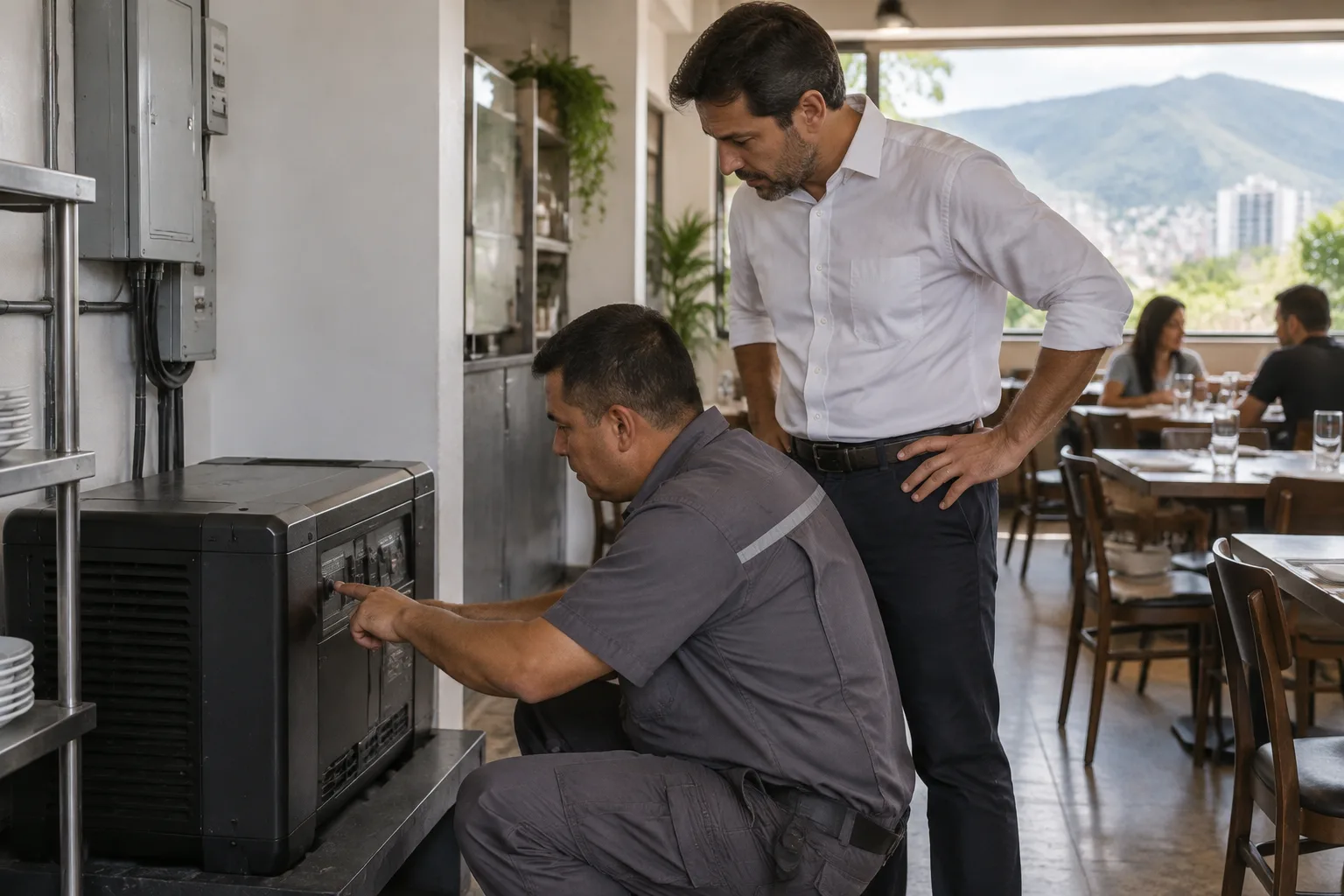
The potential for brands to return comes with an operational warning. Riera said growth could not reach its full potential while fundamental problems persisted, including failures in basic services.
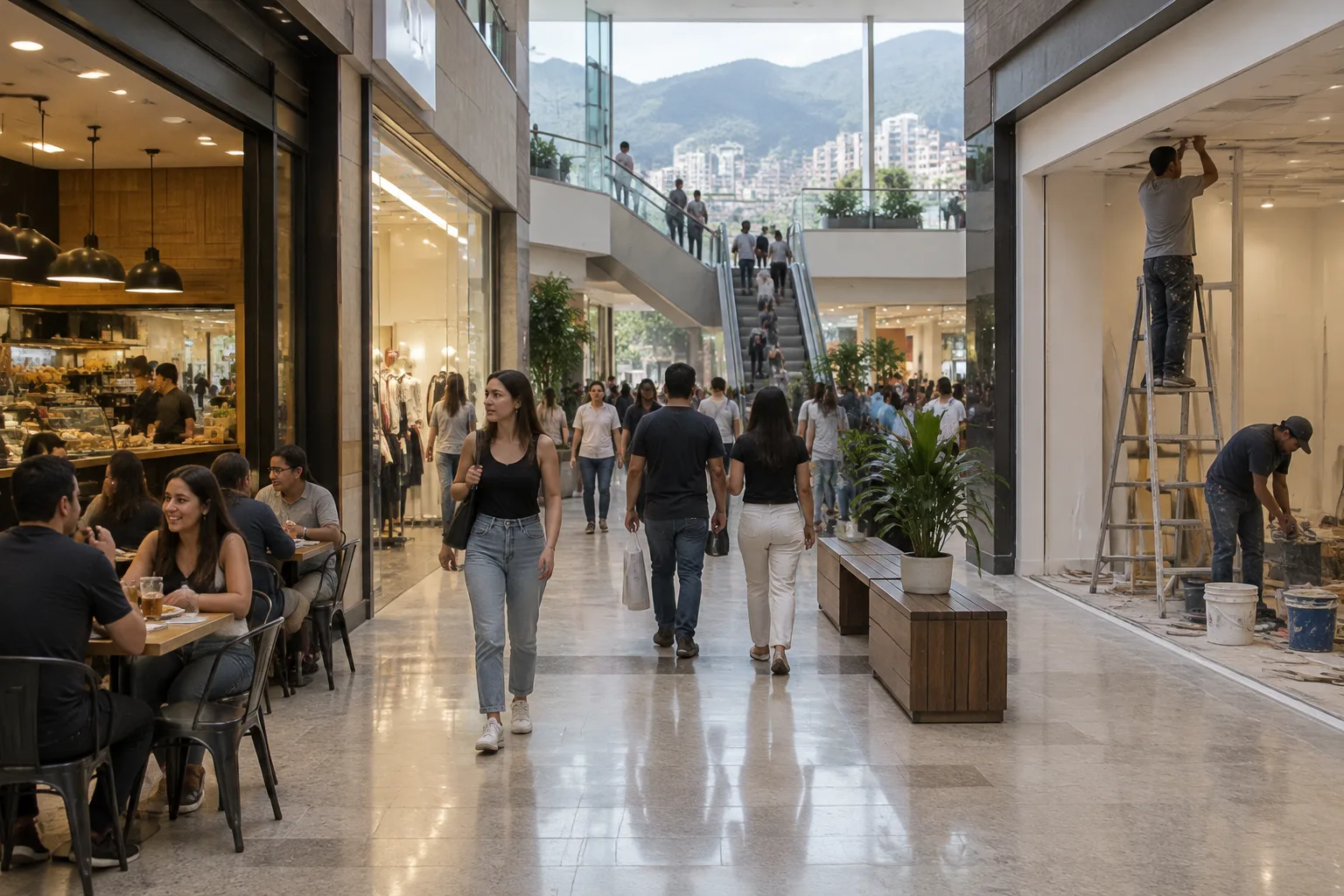
Discussing retail and shopping centres, he expressed a positive outlook but stressed that these conditions would continue to constrain expansion until they were resolved. His assessment thus links commercial prospects to the practical ability to sustain operations.
Bloomberg Línea reported broader concerns among business representatives: electricity infrastructure, public utilities, the regulatory framework and tax conditions were identified as decisive factors in attracting foreign capital.
For a prospective franchisee, this suggests separating two questions: whether a brand is well known, and whether a particular location can support the business’s operating requirements. Consumer familiarity alone does not answer the second.
A business discussion, not confirmed returns
The remarks came in the context of the event ‘United States and Venezuela: A New Era of Business’, held on 12 November at the Marriott Hotel in Caracas. According to Latin America Reports, it brought together around 600 attendees, including representatives of McDonald’s, KFC, Century 21 and Western Union.
That context helps explain the interest in exploring new business relationships, but companies’ attendance does not establish that agreements to return are in place. The distinctive feature of Riera’s proposal is its focus on brands with a track record in Venezuela, while recognising the obstacles that could hold back their recovery.
Practical takeaway: before assessing a franchise that announces its return, confirm who is authorised to develop it, what its contractual terms are and how the premises’ operational needs will be met. A familiar brand warrants the same due diligence as any new opportunity.