McDonald’s strengthens its commitment to Venezuelan suppliers
Arcos Dorados aims to deepen its partnerships with local suppliers, from vegetable growers in Mérida to sauce manufacturers.
Published
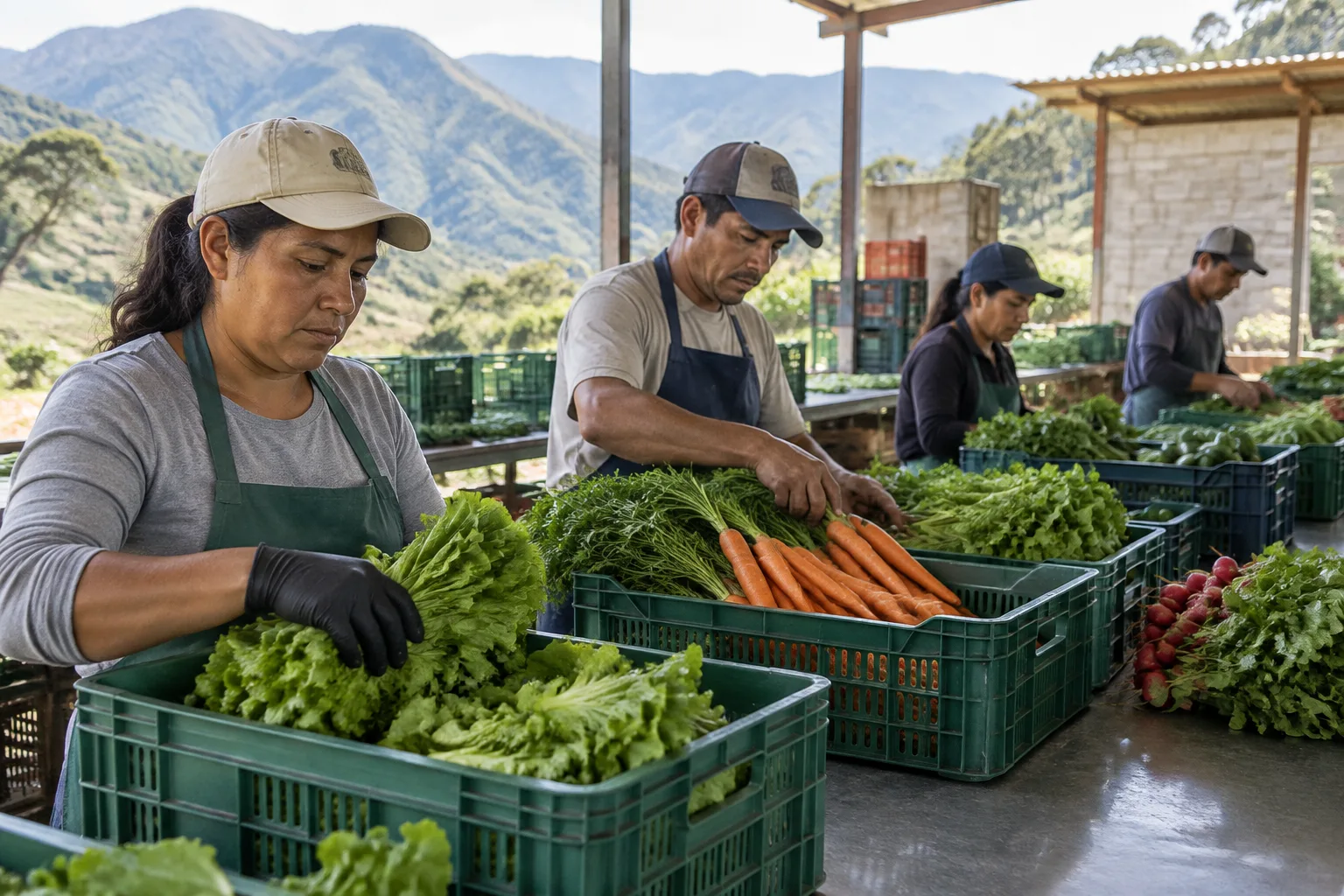
Local sourcing is central to the plans of Arcos Dorados, the operator of McDonald’s in Venezuela. The company aims to deepen its partnerships with local suppliers that have helped sustain its operations, including growers in Mérida and sauce manufacturers, according to a Mercadato report published on 16 November 2026.
Mérida growers and local sauces in the supply chain
With more than four decades of presence in the country, Arcos Dorados has maintained its operations by developing its Venezuelan supplier base. The report identifies two specific examples: growers in Mérida who supply vegetables, and domestic sauce manufacturers.
The intention to strengthen these relationships highlights an aspect of franchising that consumers do not always see: the work of the businesses supplying the products needed to run restaurants. In this case, the brand’s continued presence is also linked to the development of a local supply base.
The news concerns the strengthening of existing commercial relationships. It is not an announcement of new McDonald’s franchises, nor does it specify how many suppliers will be added. It also provides no basis for assigning a specific local sourcing percentage to the Venezuelan operation.
For the franchise sector, that distinction matters: developing supply chains and opening outlets are related processes, but they involve different types of investment and are measured using different indicators.
An opportunity beyond running a restaurant
The supply-chain links described by Mercadato connect brands with local small and medium-sized businesses. The report notes that this model can stimulate domestic business activity, reduce direct imports and support formal employment in sectors such as agribusiness, logistics and construction.
In the case of McDonald’s, the examples reported relate to food supplies. For a Venezuelan grower or manufacturer, the relevant commercial relationship would be as a supplier to the operation, not necessarily as a franchisee. Supplying a brand and taking on the management of an outlet under its name are distinct ways of participating in the sector.
This distinction helps put the news in context without treating it as an invitation to do business. The published information describes partnerships and an intention to deepen them; it does not announce an open supplier selection process or set out contracting requirements for new suppliers.
KFC also looks towards Venezuelan sourcing
The focus on local purchasing is not limited to Arcos Dorados. Mercadato reports that KFC, managed in Venezuela by Grupo KFC Ecuador since 2004, is considering adding Venezuelan suppliers during 2027.
Its plans cover supplies, advertising and restaurant fit-outs. The range of activities mentioned broadens the scope for potential commercial relationships: beyond food, running a restaurant network requires services relating to its premises and communications.
However, these are plans for 2027. They should not be presented as contracts already awarded or suppliers already brought on board. The common thread with McDonald’s is an interest in developing ties with domestic businesses, although each brand has its own plans and commercial relationships.
The conditions that will determine the pace
Supplier development is taking place in an environment that remains challenging. Mercadato’s report identifies a shortage of bank credit, limited average purchasing power and difficulties making international financial transfers as obstacles to investment.
It also mentions unreliable public utilities, including electricity, and the need for greater regulatory clarity. These conditions increase operating costs and constrain business expansion. An intention to buy more locally should therefore not be confused with a guarantee of immediate growth for every business involved.
Practical takeaway: businesses interested in supplying the franchise sector should distinguish existing partnerships from future plans and confirm each operator’s commercial requirements directly before committing resources.