Franchising in Venezuela: agreeing how to remove the branding
Before buying a franchise, agree how the branding will be removed when the contract ends, who will pay and what will happen to remaining stock and outstanding orders.
Published
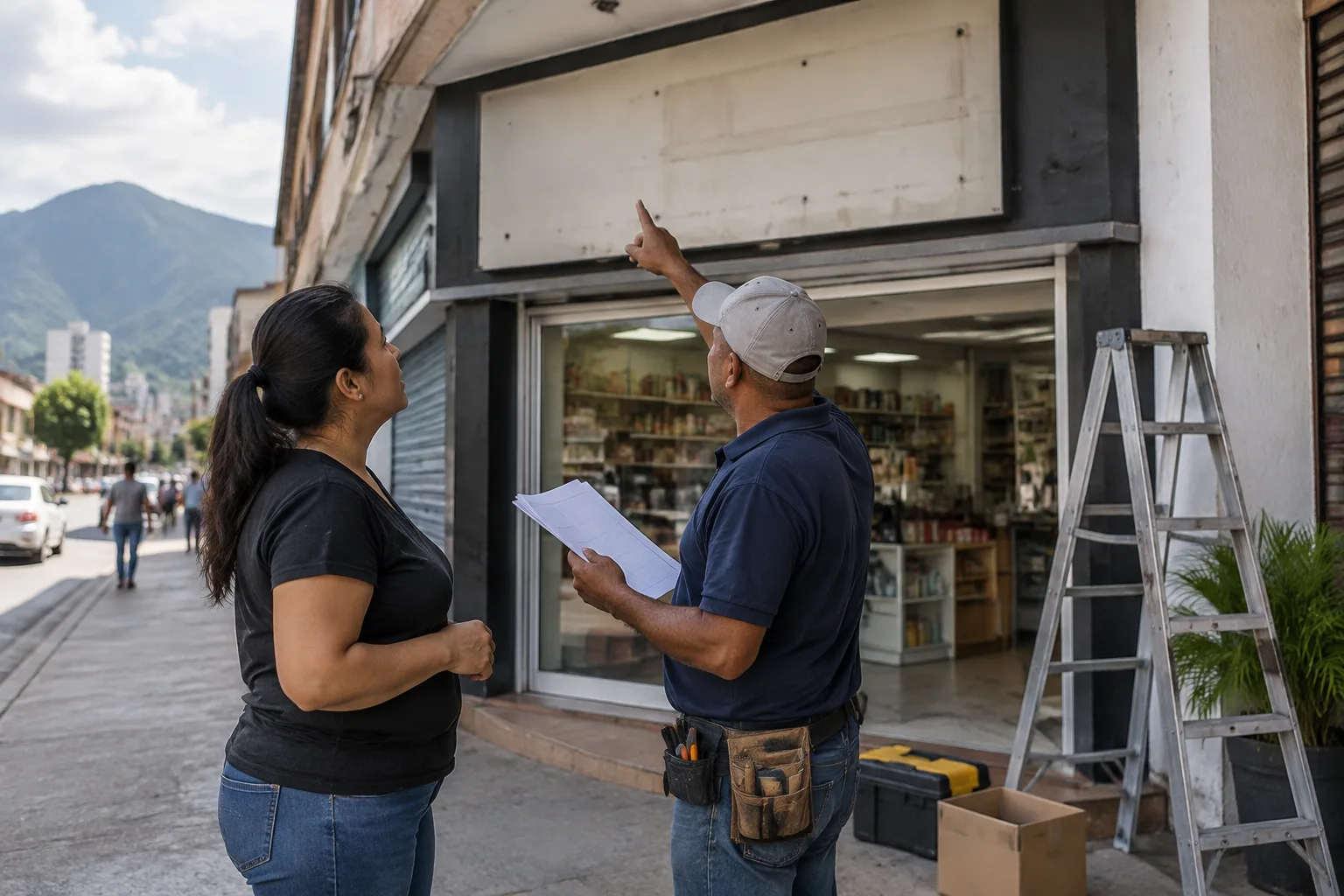
Before buying a franchise in Venezuela, it is worth assessing what it would involve to stop using its branding. Taking down a sign may be straightforward; dealing with packaging, uniforms, advertising and outstanding orders requires more coordination. An orderly exit protects the franchisee, the franchisor and customers alike. That is why the process for removing the branding should be negotiated before you invest, not when the relationship ends.
1. Identify everything you will need to remove
Ask for the contract and its schedules to distinguish between items owned by the franchisor, those you will buy and those you may use only while you have permission. Owning an item does not give you the right to keep displaying the branding it carries.
Prepare an initial inventory covering:
- External signs, internal notices and distinctive decorative features.
- Uniforms, packaging, labels, menus and promotional materials.
- Equipment bearing the brand’s designs or logos.
- Digital profiles, business listings and paid advertising.
- Manuals and materials supplied to run the business.
For each item, record who owns it and what is proposed when the contract ends: return, removal, replacement or removal of the branding. Avoid accepting a blanket obligation to ‘remove all identifying features’ without understanding what this entails in practice.
Also ask how items that require the landlord’s permission or specialist work to alter will be handled. The contractual obligation should be feasible at the particular premises you are considering.
2. Understand what the law requires and what you need to negotiate
Venezuela has no comprehensive franchise-specific law, nor a general statutory regime for standardised pre-contractual disclosure equivalent to those in countries that require a disclosure document with prescribed content and deadlines.
The relationship rests primarily on the Civil Code, governing obligations and contracts, and the Commercial Code, covering the relevant commercial aspects. The Industrial Property Law is relevant to the use and protection of the trade mark. Other rules applicable to the business and the steps involved in closing it must also be observed.
The Code of Ethics for Franchising in Venezuela, associated with Profranquicias, is a self-regulatory instrument, not national legislation. It provides for pre-contractual information through the Circular Uniforme de Oferta de Franquicia (Uniform Franchise Offering Circular), but this should not be confused with official approval.
Instruct a Venezuelan lawyer to review when permission to use the branding ends and which obligations survive the contract. Do not assume there is an automatic grace period in which you can continue selling branded products. Nor should you confuse a deadline for dismantling fixtures with permission to continue trading under the brand.
3. Agree a procedure with deadlines and clear responsibilities
Propose a branding-removal schedule that distinguishes between the contract’s planned expiry and early termination. Preparations may differ, but in both cases the date on which authorised use ends must be clear.
The procedure should specify:
- Responsibility: who carries out each task and who checks that it has been completed.
- Timetable: what must be prepared before the contract ends and what physical work remains afterwards.
- Access to the premises: how any work by the franchisor will be coordinated, while respecting rights over the property.
- Evidence: photographs, return records and proof of work completed.
- Outstanding issues: how incomplete tasks will be reported and their completion confirmed.
Include digital channels. Define who must update business listings, remove advertisements and, where appropriate, publish a neutral notice stating that the outlet is no longer part of the network. Do not promise immediate results that depend on external platforms: agree on verifiable actions and retain records of requests submitted.
4. Budget for materials, stock and outstanding orders
Obtain quotes for taking down signs, transporting materials and changing the premises’ appearance. Separate these expenses from any contractual penalty: the physical cost of removing the branding is not the same as compensation for early termination.
Negotiate what will happen to branded stock. Any buyback, return or authorised final sale should be documented, with terms, valuation and responsibility for transport clearly stated. Do not assume that the franchisor will buy products back or that you will be free to sell off remaining stock.
Also review orders that have been paid for but not yet delivered. Agree who will fulfil them, how customers will be informed and how any deliveries or refunds will be documented. Allocating tasks internally does not remove obligations towards third parties.
Practical conclusion: before signing, insist on an inventory, a branding-removal procedure and an exit budget. Knowing how you will stop using the brand helps you assess the commitment you are about to make.
Sources
- Buying a Franchise in Venezuela: Agreements Between Business Partners
- Comprar franquicia en Venezuela: revisar la carta de intención
- Buying a Franchise in Venezuela: Checking for Tax Debts
- Comprar franquicia en Venezuela: autorización de la cesión
- Comprar franquicia en Venezuela: quién puede firmar
- Permits and licences when franchising a business in Venezuela
- Franquicias en Venezuela: límites a los cambios del manual
- Franquicias en Venezuela: pactar la dedicación del propietario