How Should You Plan Franchise Site Selection and Lease Approval?
Set measurable criteria for selecting your first franchise site, and assess licensing, lease and investment risks before signing.
Published
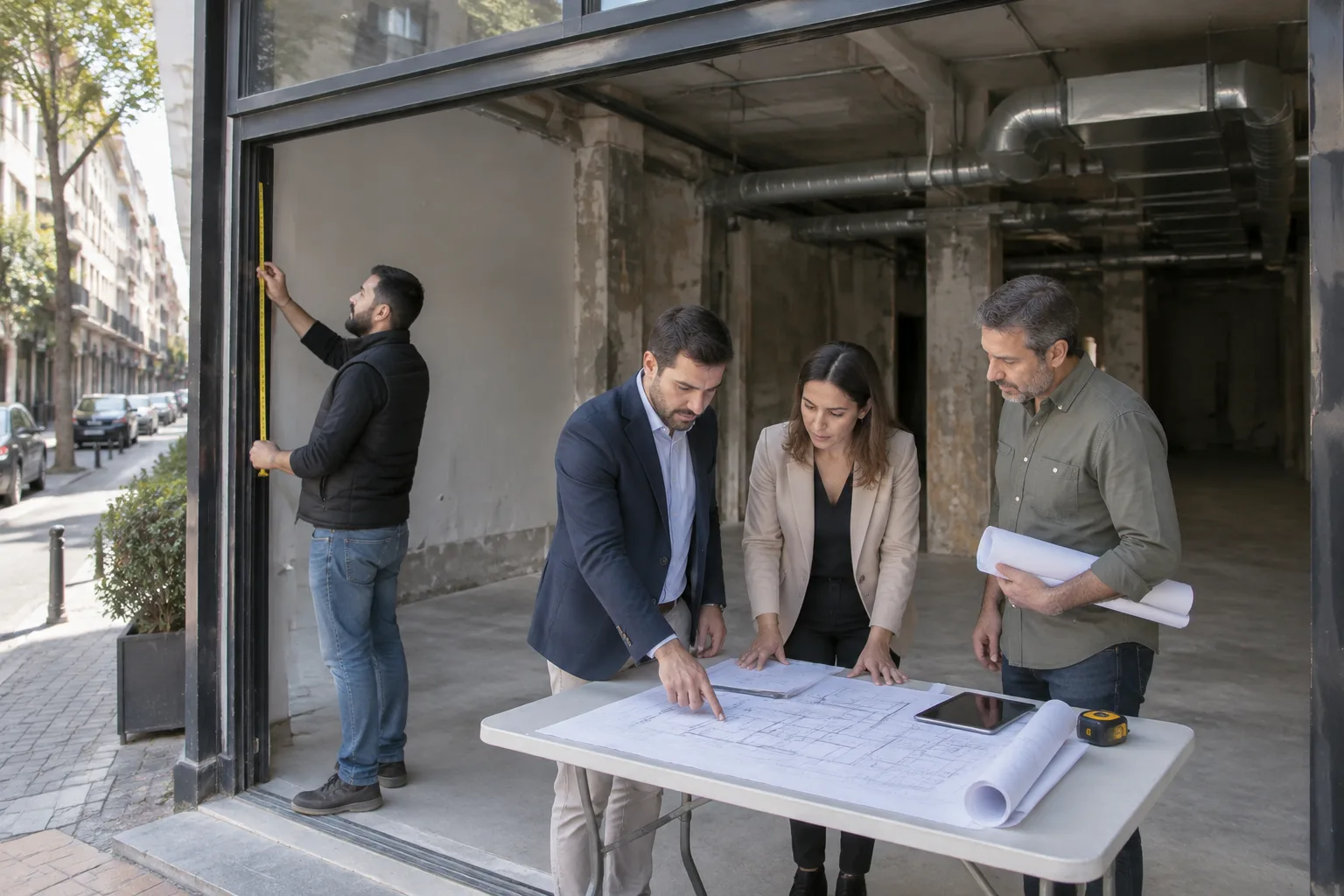
When preparing to franchise your existing business, simply replicating the features of your successful location elsewhere is not enough. Changes in customer traffic, the permitted use of the premises and rental costs can produce different results from the same business model. For a sound franchise network, site selection is not just about approving an attractive shop: it means completing commercial, technical and legal checks in a defined sequence.
1. Define the conditions you need, rather than copying a successful location
Start by identifying which features of your current location benefit the business. Do customers arrive on foot or by car? Are sales concentrated during workers’ lunch breaks or in the evening? What matters most: visibility, easy deliveries or complementary businesses nearby? Base your answers on observation and business records.
Then create a short site suitability checklist. Classify each criterion as “essential”, “preferred” or “can be compensated for”. This prevents a wide shopfront from masking inadequate electrical capacity, or low rent from obscuring access problems.
The checklist could cover:
- Usable floor area, layout and storage requirements.
- Shopfront visibility, entrance access and signage options.
- Electricity, water, ventilation and other necessary technical infrastructure.
- Arrangements for receiving goods, removing waste and making deliveries.
- The presence of target customers in the area and the times they visit.
Record the reason for each requirement too. Rather than writing “large storage area required”, explain which stockholding and delivery arrangements create that need. This document should guide the prospective franchisee’s property search, not merely be used to assess a site after it has been found.
2. Make licensing and building suitability part of the investment decision
A property’s previous commercial use does not necessarily make it suitable for your activity. Before preparing a refurbishment budget, check its title deed classification, planning and building occupancy status, building management plan and the technical requirements for the proposed activity. In buildings with separately owned units, certain uses may require specific permissions or formal resolutions.
Turkey’s Regulation on Business Opening and Operating Licences is one of the main rules governing licensing assessments. Confirm the competent authority and the activity-specific documents required for each address. Food businesses may also be subject to registration or approval requirements, depending on their activities. The franchisor’s approval does not replace official permissions.
Do not rely solely on statements from the estate agent or landlord. Seek advice from an architect, engineer or lawyer where necessary, and keep records of discussions with the competent authority and any documents obtained. In particular, flag any uncertainty over flues, fire safety, accessibility or permitted use as an unresolved risk.
Decision rule: Do not commit to irreversible refurbishment or equipment expenditure until fundamental suitability issues have been clarified. Make it clear to the prospective franchisee that a preliminary discussion with the authority does not guarantee a licence.
3. Assess rental costs against total cash requirements
Monthly rent alone is not an adequate basis for comparison. Service charges, shared expenses, the deposit, the cost of providing security, rent during refurbishment and other contractual payments can all change the total burden. Review the tax treatment with an accountant, taking account of the landlord’s status and the structure of the agreement.
Prepare a cash-flow forecast for each potential site using the same template. Model a delayed opening, slower-than-expected sales growth and high initial expenditure as separate scenarios. State which existing business data and local observations support the forecasts; do not present them as earnings guarantees.
Ask the prospective franchisee to answer these questions in particular:
- Which payments will fall due before the business generates revenue?
- How will additional cash needs be met if opening is delayed?
- How long will working capital last if sales remain low?
- Can any additional investment required by the property be reused at another site?
The aim is not to impose the same rent limit on everyone. It is to establish whether the site suits the franchisee’s financial capacity and the business’s realistic revenue potential.
4. Review the lease and franchise agreement together
Turkey has no standalone franchise law, general mandatory pre-contractual disclosure document regime or franchise register. This does not mean that these agreements are unregulated. Franchise relationships are subject to the Turkish Code of Obligations No. 6098, the Turkish Commercial Code No. 6102 and other relevant legislation. The relevant provisions of the Turkish Code of Obligations are particularly important when reviewing lease terms.
Consider the duration, termination consequences and parties to both agreements together. Ending the franchise relationship may not automatically end the lease. Equally, losing the premises does not automatically remove obligations under the franchise agreement.
Clarify matters such as signage, alterations, handover conditions, reinstatement obligations and assignment of the lease before signing. With legal support, set out what happens if a licence cannot be obtained or the franchisor does not approve the site. Do not assess statutory rights solely by reference to the wording of the agreements.
5. Put approval in writing and make the conditions clear
Do not leave site approval to a one-line email. The decision document should identify the address assessed, the documents used, the assessment date, outstanding issues and those responsible for resolving them. If approval is conditional, specify when the conditions must be met and who will verify compliance.
Distinguish the franchisor’s assessment of commercial suitability from the prospective franchisee’s lease obligations and the competent authority’s licensing decision. Explain that approval is not a guarantee of sales or profitability, but do not use that statement as a substitute for proper due diligence. Reassess the site if the floor area, use or lease terms change.
Practical takeaway: Prepare the suitability checklist, total cost schedule and written approval document before your first prospective franchisee starts looking for premises. Verify the site first, assess the obligations together, and only then make the investment decision.
Sources
- Girişimci Rehberi
- Franchise veya Franchising'in Vergisel Boyutu - İstanbul ...
- Türkiye'de Franchise Kurma Adımları
- Türkiye’de Franchise ve Bayilikle Alakalı Kanun Maddeleri - Franchise Borsası
- TÜRKİYE'DE FRANCHISING SİSTEMİ | İçerikler | Franchise Turkey | Franchise | Franchising | Franchise Bayilik | Franchise Türkiye
- FRANCHISING REHBERİ
- FRANCHISING AND FRANCHISE PRACTICES IN TURKISH LAW - Matur Ökten Karayel-Keßler
- Franchising ve Türk Hukukunda franchise uygulamaları - Matur Ökten Karayel-Keßler