Franchisee selection: capability matters as much as capital
The opening day of the Be My Franchise fair explored the role of investor capability, organisational structure and supply chains in franchise growth.
Published
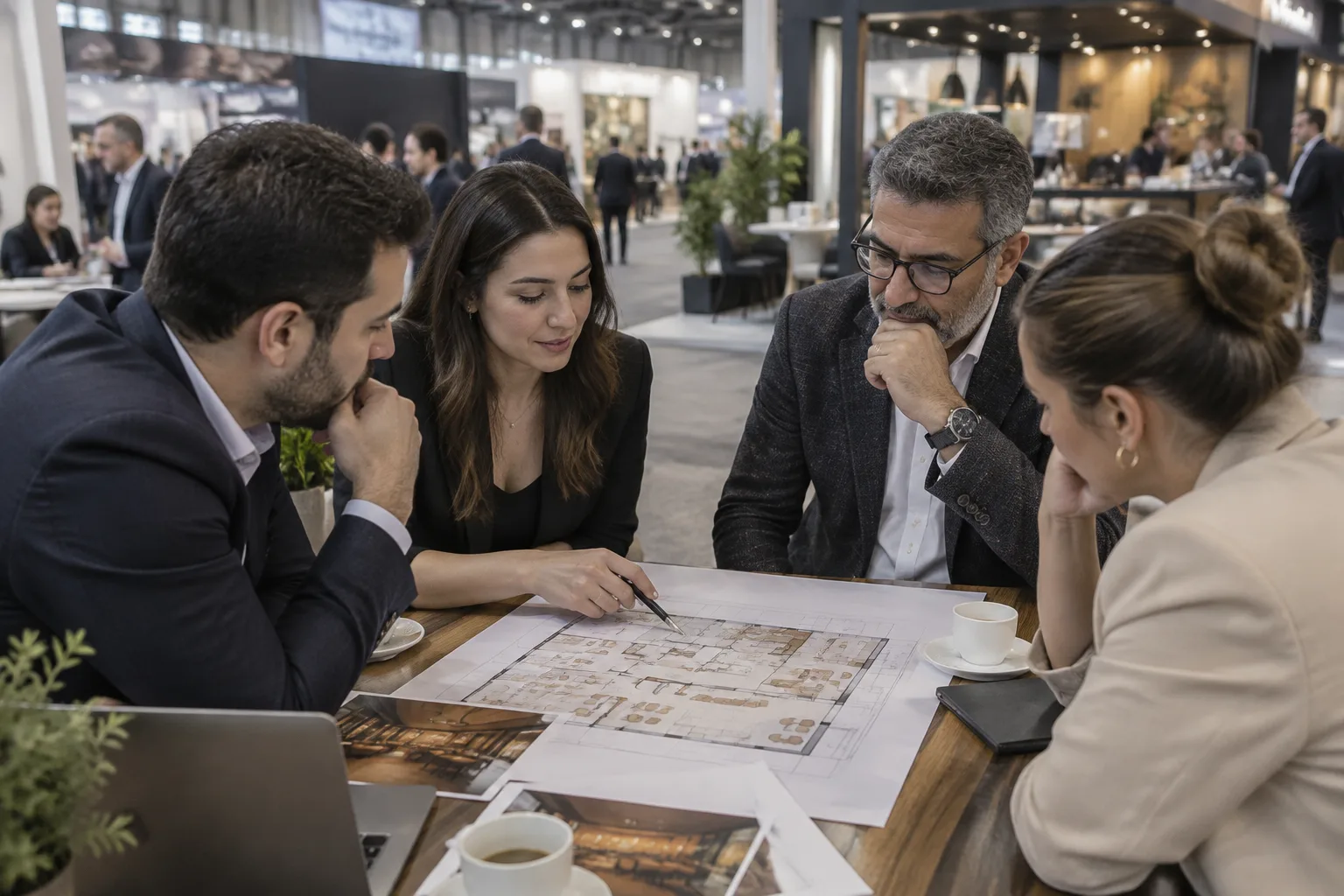
The opening day of the 24th Bayim Olur musun? – Be My Franchise Franchising and Branded Dealership Fair, held at Istanbul’s Yenikapı Eurasia Exhibition Centre, highlighted that a franchise partnership cannot rest on capital alone. Franchise Market Talks sessions examined investor capability and organisational structure, alongside location, feasibility and supply chains, drawing on Özcanlar Köfte’s experience of expansion.
Looking beyond finance when selecting franchisees
Four Franchise Market Talks sessions took place on the first day, with Branding Türkiye as strategic partner. The final session focused on franchisee selection, organisational structure and sustainability. Nova Group CEO Müjdat Güler explained his approach to selecting investors: “If you sell someone a franchise just because they have the money, it won’t last. They need the capability.”
Güler’s comments distinguish between financial resources and the ability to run a business. His central point was that having the funds to invest is not, on its own, enough to sustain a long-term partnership. Franchisee selection therefore involves considering the durability of the partnership, rather than simply whether the applicant can cover the initial investment.
This approach provides a useful framework for both parties to discuss their expectations openly during franchise negotiations. What role will the prospective franchisee play in the business? How will they fit with the brand’s way of working? How will day-to-day management responsibilities be shared? These are not items on a published checklist of requirements, but questions that parties can use to turn Güler’s point into a practical assessment.
Brand identity and growth: the Özcanlar Köfte experience
In the opening-day session entitled “From Thrace to a National Brand: Özcanlar Köfte”, Mestan Özcan discussed the brand’s 73-year history and its experience of growing through franchising. Explaining its approach to preserving brand identity during this process, Özcan said: “We did this without compromising any of our customs, traditions or culture.”
The session also examined the role of the right location, feasibility assessments and supply chains in expansion decisions. Alongside the brand’s history and cultural identity, the discussion covered practical decisions involved in opening a new outlet. Özcanlar Köfte featured not simply as a brand story, but as an example of growth through franchising.
For investors, it may be useful to consider these issues together. Understanding a brand’s history is no substitute for assessing the feasibility of a proposed location. Similarly, location assessments should not be separated from questions about supply arrangements. Prospective franchisees can use discussions to clarify how the brand’s identity translates into day-to-day operations and what they will be expected to do to preserve it.
It can therefore help to think of learning about the brand and assessing the investment as two distinct stages. The first establishes an understanding of the brand’s history and approach; the second examines the responsibilities, terms and operating arrangements for a specific outlet. The topics covered in the session provide a framework for questions at this second stage.
Payback periods and business models also on the agenda
In comments dated 17 October 2026 on the fair’s evolution, MediaFors Executive Board Chairman Serhan Erem said that the number of brands had increased, business models had changed and investors had become more selective in their decision-making. Erem identified the investment payback period, brand strength and the right business model as key factors in sustainable growth.
Erem’s comments connect the opening-day discussions of capability and operational structure with investors’ own decision-making. While Güler stressed the need to look beyond capital when selecting franchisees, Erem drew attention to payback periods and business models when making an investment decision. These are observations from different speakers; they should not be treated as a single investment requirement or a common eligibility standard applying to every brand.
For prospective franchisees, a practical approach may be to examine each issue separately. Discussions can clarify the assumptions behind expected payback periods, the duties the business model places on the investor and the areas covered by the brand’s support. This allows a general impression of brand strength to be assessed separately from the terms of a particular investment.
Moving discussions at the fair forward with specific questions
The fair’s opening-day programme brought together branding, franchise investment and sustainable growth. Sessions on investor capability, brand identity, location and supply chains set an agenda for partnership discussions that went beyond finance alone.
Prospective franchisees preparing for meetings can group their questions into three areas: their own management responsibilities, the brand’s operating arrangements and the feasibility of the investment. Brands, in turn, can explain the criteria they use to assess the capabilities they expect from applicants. This preparation can help both parties move from broad growth ambitions to the practical conditions of running a business.
Practical takeaway: Go into franchise discussions with more than a budget: prepare questions about your role in the business, the feasibility of the location and supply arrangements. Clarify each party’s responsibilities as carefully as the capital requirements.