Famous Brands grows drive-thru network to 81 locations
Four new drive-thrus and 14 delivery hubs extend Famous Brands’ convenience push as South African restaurant sales growth remains subdued.
Published
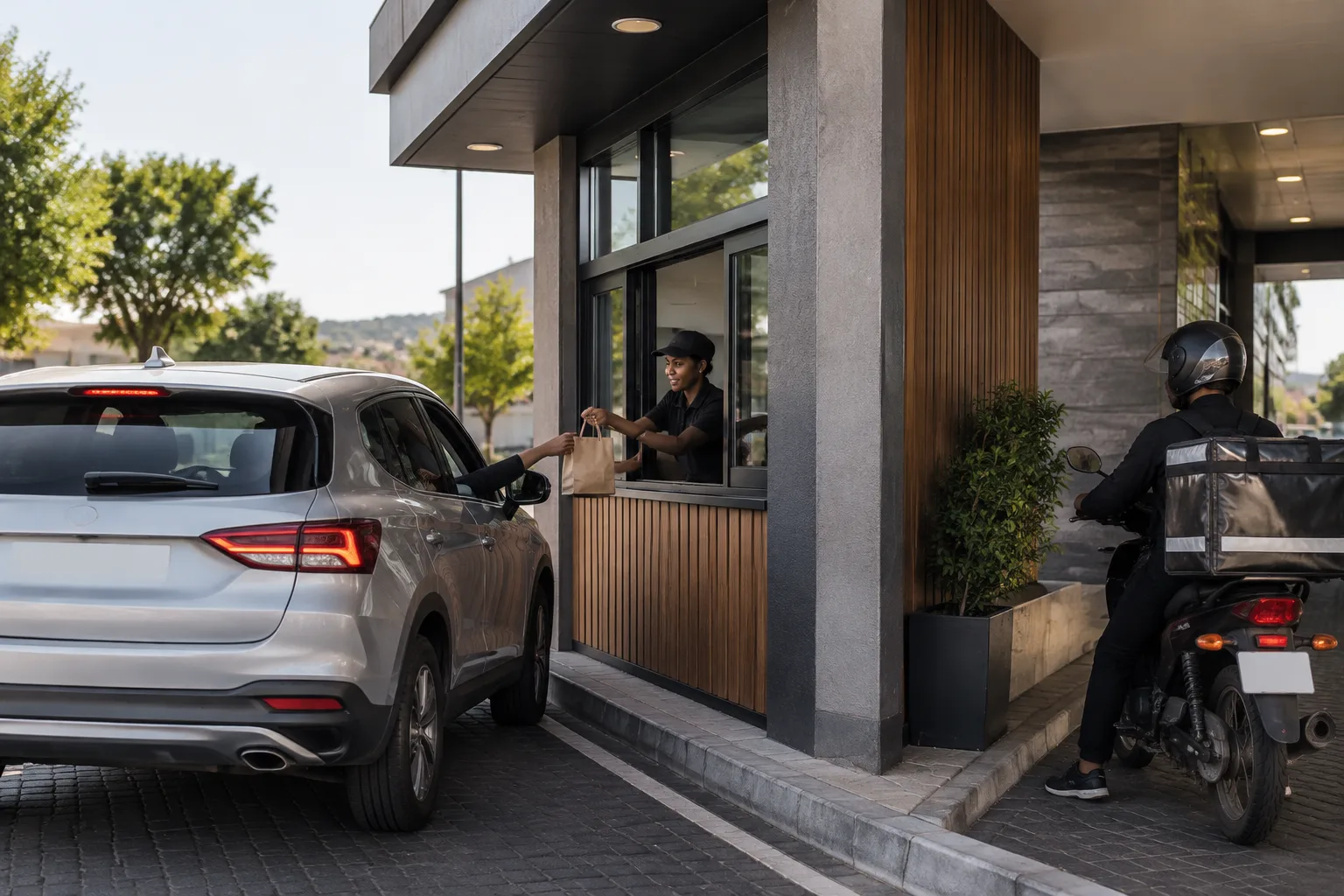
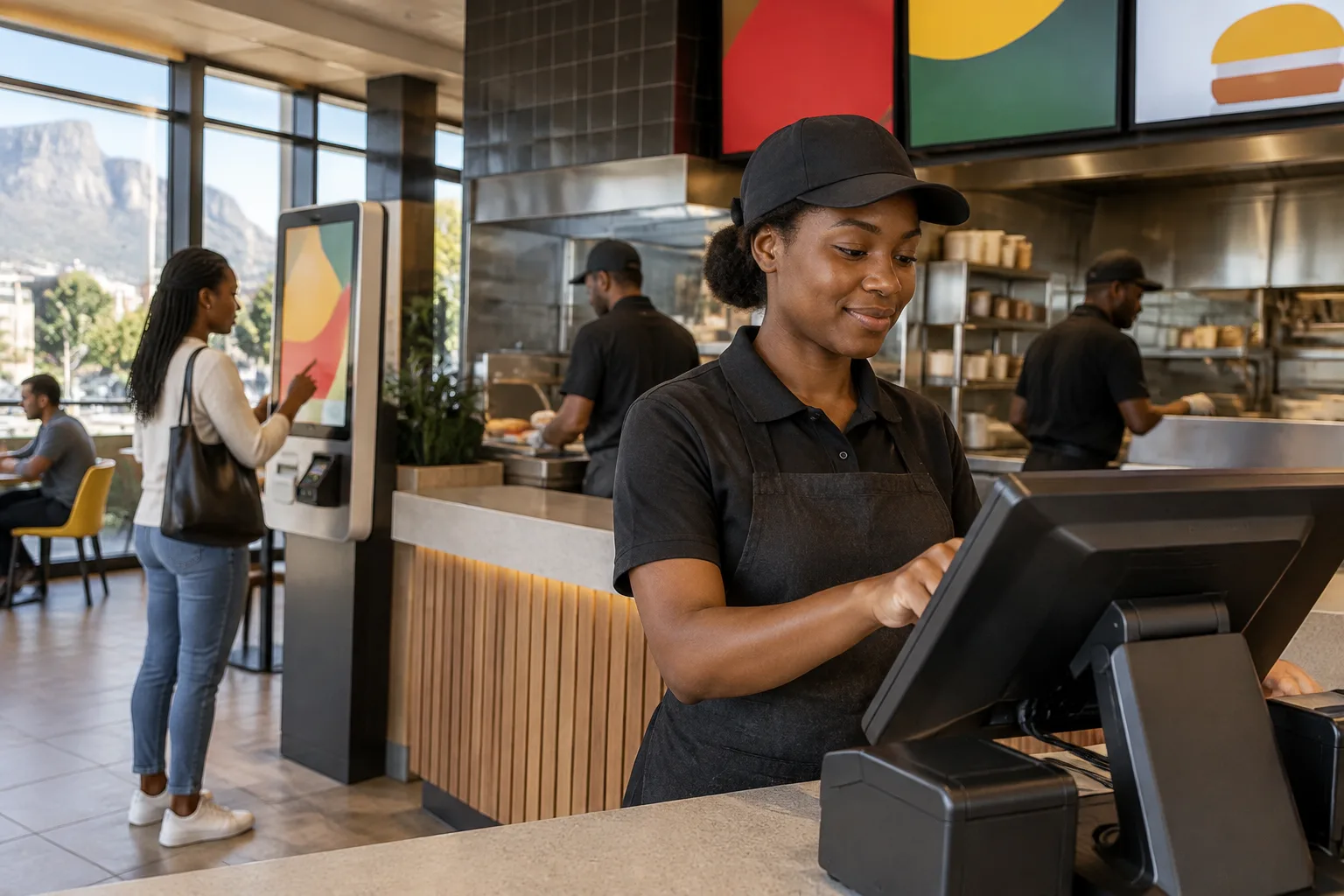
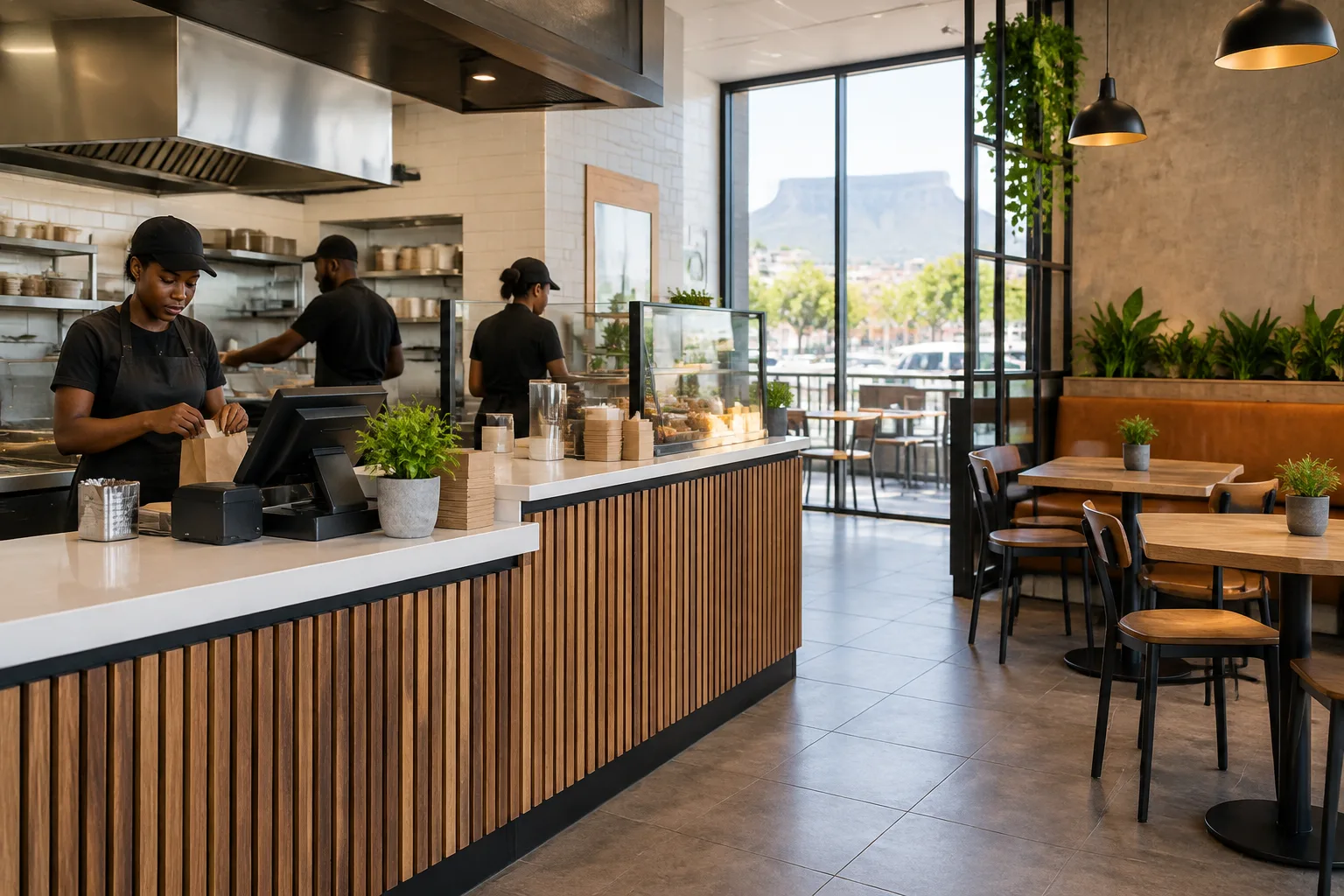
Famous Brands has expanded its drive-thru network to 81 locations, adding four during the six months to August 2026. The restaurant franchisor also opened 14 delivery hubs, taking that network to 87 across South Africa and Botswana as it develops more convenient ways to serve customers.
Convenience shapes the expansion
The additions were detailed in Famous Brands’ results for the first half of its 2027 financial year, released on 21 October. The group, whose brands include Steers, Wimpy, Debonairs Pizza and Fishaways, is expanding smaller restaurant formats and drive-thrus to cater for takeaway and collection demand.
Delivery hubs form another part of that approach. The 14 additions extend infrastructure intended to improve the delivery experience, alongside the group’s investment in locations where customers can collect meals without leaving their vehicles.
According to Daily Investor’s reporting on the results, Famous Brands hopes the expansion will help it respond to heightened competition from rapidly growing online grocery platforms. The convenience push therefore sits within a broader contest for customers’ spending, rather than being solely about competition between restaurant brands.
For South Africa’s franchise community, the development highlights how network investment is extending beyond conventional restaurant openings. The format of an outlet, and the ways customers can access it, are central to this phase of Famous Brands’ expansion.
Existing restaurant sales remain subdued
The investment comes against a difficult consumer backdrop. Households remain cautious about discretionary spending, with pressure on disposable income affecting how often they eat out.
Famous Brands’ South African restaurant business recorded system-wide sales growth of 2.2% during the reporting period. Like-for-like sales, which track performance at existing restaurants, increased by just 0.6%.
Its Leading Brands division, which includes mainstream quick-service and casual dining restaurants, reported system-wide sales growth of 2.7% and like-for-like growth of 0.8%. The group described trading conditions as challenging for both quick-service and sit-down restaurants, although performance across those categories was relatively balanced.
These figures provide important context for the drive-thru and delivery investment. The additional locations and hubs are being developed while sales growth at established restaurants remains modest, not against a backdrop of rapidly rising customer spending.
The results do not establish how much the new drive-thrus or delivery hubs contributed to sales. Their expansion demonstrates continued investment in convenience, but the wider sales figures should not be read as a measure of those formats’ individual performance.
Franchise partners keep investing
Famous Brands said franchise partners continued to invest in new restaurants and refurbishments despite the subdued trading environment. In South Africa, the group opened 40 restaurants, revamped 66 and converted two during the six months, while 13 closed.
The group’s total restaurant estate stood at 3,070 across 21 countries, including 2,723 in South Africa. That domestic footprint gives the convenience strategy a substantial existing network alongside which to develop.
The four new drive-thrus and 14 additional delivery hubs are distinct operational measures. They should not be combined into a single restaurant-opening total: the reported figures describe different elements of the network.
Famous Brands remains committed to expansion, supported by a pipeline of planned openings and continued investment from franchise partners. The reported results establish the current drive-thru and hub totals, rather than a numerical target for their next stage of growth.
What prospective franchisees should assess
For prospective franchisees, the announcement offers a useful distinction between a brand’s overall scale and the performance of a particular operating format. A growing drive-thru network signals investment in that channel; it does not, on its own, establish the returns available at an individual site.
Anyone evaluating a convenience-led restaurant opportunity should ask for format-specific trading information, site requirements and the costs of serving collection and delivery customers. Those questions are especially relevant when the broader network is reporting limited like-for-like growth.
Practical takeaway: assess a drive-thru or delivery-led opportunity on its own site economics and operating requirements, rather than treating network expansion alone as evidence of likely profitability.