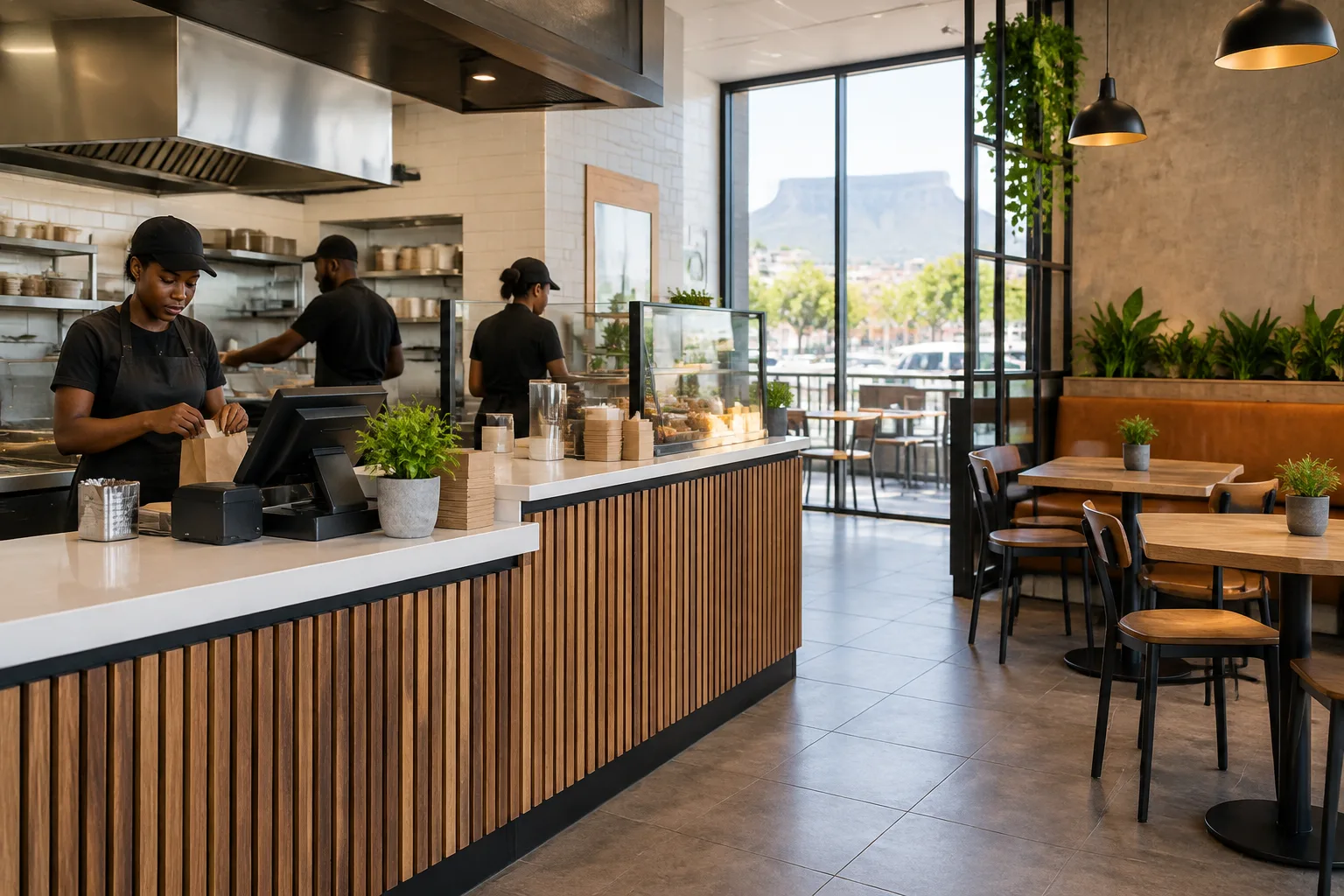
Famous Brands rolls out Munch POS to 564 restaurants
Famous Brands is expanding its digital systems, with Munch POS in 564 restaurants alongside investment in AI and self-service technology.
Published
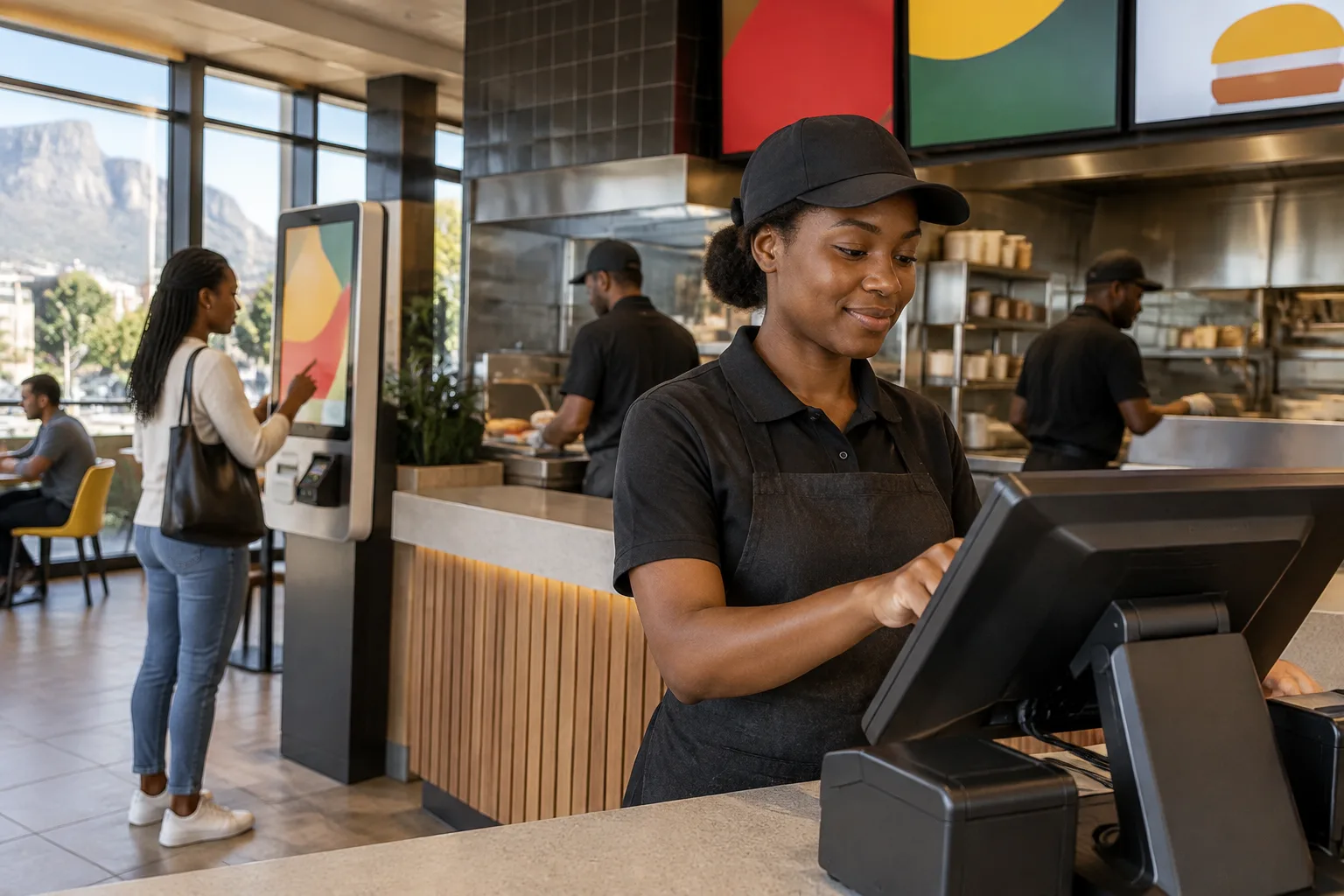
Famous Brands has implemented Munch Software’s point-of-sale system in 564 restaurants as it expands its technology programme across its franchise network. The South African restaurant group is also investing in artificial intelligence, digital menu boards and self-service terminals, bringing both restaurant operations and customer engagement into its digital plans.
A larger role for Munch
The rollout was detailed in coverage by ITWeb on 21 October of the group’s interim results to August 2026. Famous Brands’ portfolio includes Steers, Wimpy, Debonairs Pizza, FishAways, Mugg & Bean and Milky Lane.
According to the group, the Munch implementation is simplifying and optimising processes while enabling greater control and standardisation. That places the point-of-sale system at the centre of a programme concerned with how restaurants operate, rather than only how customers place their orders.
Famous Brands acquired a 45% stake in Munch Software in October 2023, investing R25.4 million. The Pretoria-based restaurant technology company was founded in 2019. The investment was intended to digitise restaurant operations and reduce reliance on third-party point-of-sale systems.
The reported implementation across 564 restaurants provides a measure of progress since that investment. It is a rollout figure, however, rather than a measure of the system’s financial return: the update describes operational benefits without quantifying savings for individual franchisees.
For South Africa’s franchise community, the development illustrates how a restaurant group is taking a direct ownership interest in technology used within its network, alongside expanding its use at restaurant level.
Digital ordering reaches beyond the till
Famous Brands’ plans extend to the customer-facing parts of a restaurant visit. The group is enhancing its e-commerce capabilities and rolling out self-service terminals, digital menu boards and digital payment solutions.
These are distinct elements of the programme. A point-of-sale system supports transaction processing and restaurant operations, while self-service terminals give customers another way to order. Digital menu boards address how the offer is presented, and digital payments support the payment stage.
The group also reports that kitchen display systems improve preparation times. Together, the initiatives cover several stages between choosing a meal and preparing an order, rather than treating digital ordering as a standalone addition.
The update does not establish that all 564 restaurants using Munch also have every other technology mentioned. The point-of-sale implementation count should therefore be read separately from the wider rollout of terminals, menu boards and payment solutions.
AI investment covers loyalty and forecasting
Customer engagement is another part of the strategy. Famous Brands previously announced a partnership with MoEngage, a customer data and engagement platform, to support growth across its portfolio.
Three brands — Mugg & Bean, Wimpy and Milky Lane — are named in that partnership. They are to use MoEngage’s AI-powered platform to deliver personalised experiences across customer channels, with the aim of building loyalty and increasing order frequency.
Those are stated objectives, not reported increases in customer visits or spending. The distinction matters when assessing what the technology programme has already delivered and what it is intended to achieve.
Famous Brands is also investing in AI within its data warehouse and analytics capabilities. The stated purpose is to improve forecasting and support faster, data-driven decisions. This work sits alongside the customer engagement programme but serves a different function: using information to support business decisions rather than tailoring customer communications and rewards.
Call centres remain part of the ordering network
Alongside the newer digital tools, outsourced call centres continue to handle restaurant orders. Famous Brands reports that these centres now serve 1,209 restaurants, with 20 added during the six months under review.
That figure describes call-centre coverage, not Munch installations. It shows that the group’s ordering arrangements include multiple systems and service channels, with different measures of reach.
The practical takeaway for franchisees is to assess each technology on its own operational purpose. When discussing a rollout with a franchisor, distinguish what is already installed from what is planned, and ask how benefits such as preparation times, process improvements and repeat orders will be measured at restaurant level.