Famous Brands opens 40 restaurants as profits fall
Famous Brands opened 40 restaurants and revamped 66, while lower operating profit highlighted the pressure behind its expansion.
Published
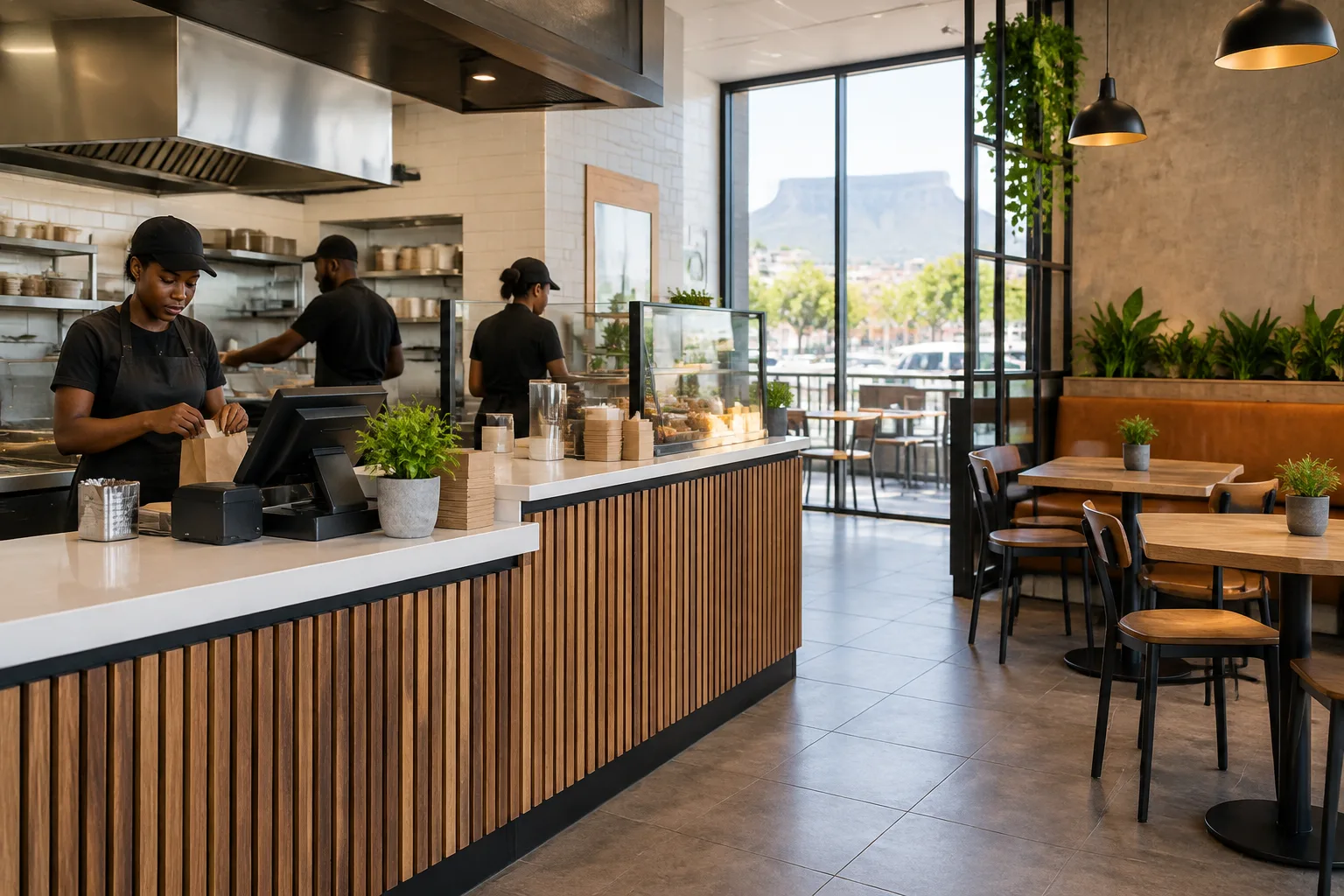
Famous Brands, the restaurant group behind Steers, Wimpy and Milky Lane, opened 40 restaurants and revamped 66 outlets during its latest interim reporting period. The expansion came alongside a decline in operating profit, putting the balance between growth and profitability in focus for South Africa’s franchise community.
Expansion continues despite weaker profits
According to BusinessTech’s report of 21 October 2026 on the group’s interim results, Famous Brands recorded revenue of approximately R4.3 billion, up 2.3% on the comparable period in 2025. Operating profit, however, fell from R393 million to R375 million, a decline of 4.7%.
The group attributed its slow growth and weaker profitability largely to South Africa’s difficult economic environment. Its results therefore present two different measures of progress: revenue and restaurant openings increased, but operating profit moved in the opposite direction.
For prospective franchisees, that distinction matters. A growing restaurant network demonstrates continued expansion activity, but does not by itself establish that trading conditions are improving. These are group-level results, rather than a statement of the financial performance of any individual franchised outlet.
The 66 revamps also show that the group’s activity extended beyond adding restaurants. Existing outlets formed a substantial part of its programme, alongside the 40 openings.
Leading brands account for most openings
Famous Brands’ leading brands division accounted for 36 of the 40 new restaurants. The division includes Steers, Debonairs and Fishaways, although the reported figures do not allocate those openings between individual brands.
The expansion included smaller restaurant formats and drive-through offerings. Famous Brands said the openings and formats were intended to “meet consumer demand for convenience and accessibility”.
That stated objective gives the expansion a clearer direction than the headline opening count alone. The group is using different restaurant formats to respond to how customers want to access its brands, rather than relying solely on one type of outlet.
For franchise applicants, the practical question is how a proposed format fits its intended location. A smaller restaurant and a drive-through should not be treated as interchangeable investment propositions simply because both sit within a familiar brand portfolio. The results identify the formats being used, but should not be read as evidence of their individual costs or returns.
Signature brands take a different path
The signature brands division, which includes Mythos, Turn n Tender, Paul and Vovo Telo, recorded a contrasting performance. It opened four restaurants but closed six during the interim period, leaving its outlet count down by two on those movements.
Revenue in this division fell 8.4% year on year to R95 million, and it reported an operating loss of R9 million.
The closures are an important qualification to the group’s expansion headline. Forty openings represent new restaurant activity, not necessarily a net increase of 40 across the network. Within signature brands specifically, closures outnumbered openings.
Management said it had taken corrective action to restore the portfolio to profitability, including management changes, store closures and cost reductions. The group indicated that the effects were likely to become apparent only in its 2027 full-year results.
That timetable makes the turnaround a development to monitor rather than an improvement already demonstrated by the interim figures.
What franchise applicants should take from the results
The latest update shows why a franchise opportunity needs to be assessed at more than one level. Famous Brands continued to open and revamp restaurants, while its two reported brand divisions followed different paths and group operating profit declined.
Applicants can use those distinctions to frame discussions with a franchisor: which format is being proposed, what support accompanies it, and how does the proposed outlet’s financial plan reflect current trading conditions?
Practical takeaway: Treat the opening count as a starting point, not an investment verdict. Examine the specific brand, format and outlet economics before committing.