Five Saudi brands to exhibit at Buybrand 2026 in Moscow
Five Saudi brands will attend Buybrand in Moscow from 29 September to 1 October, showcasing different approaches to expansion through franchising.
Published
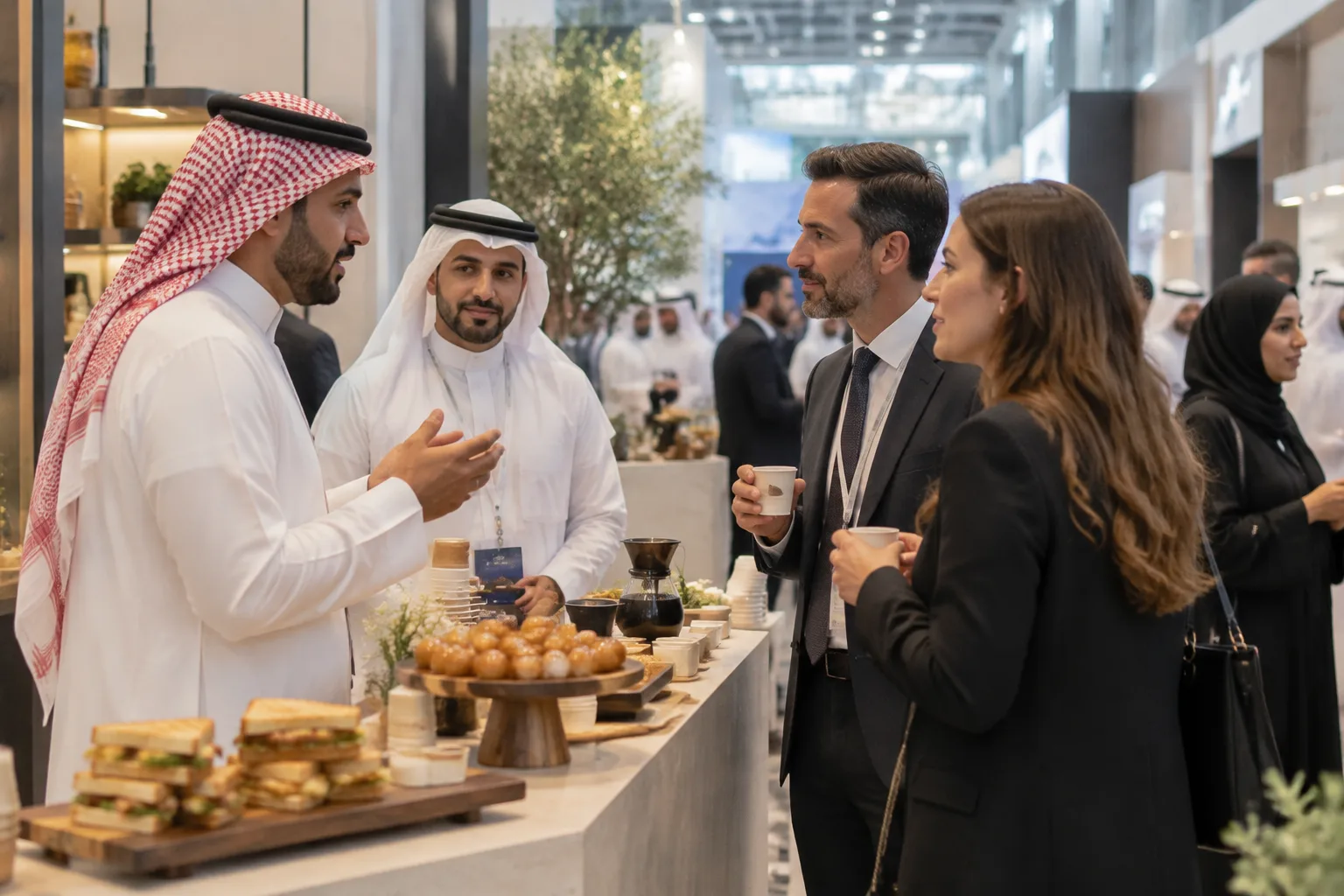
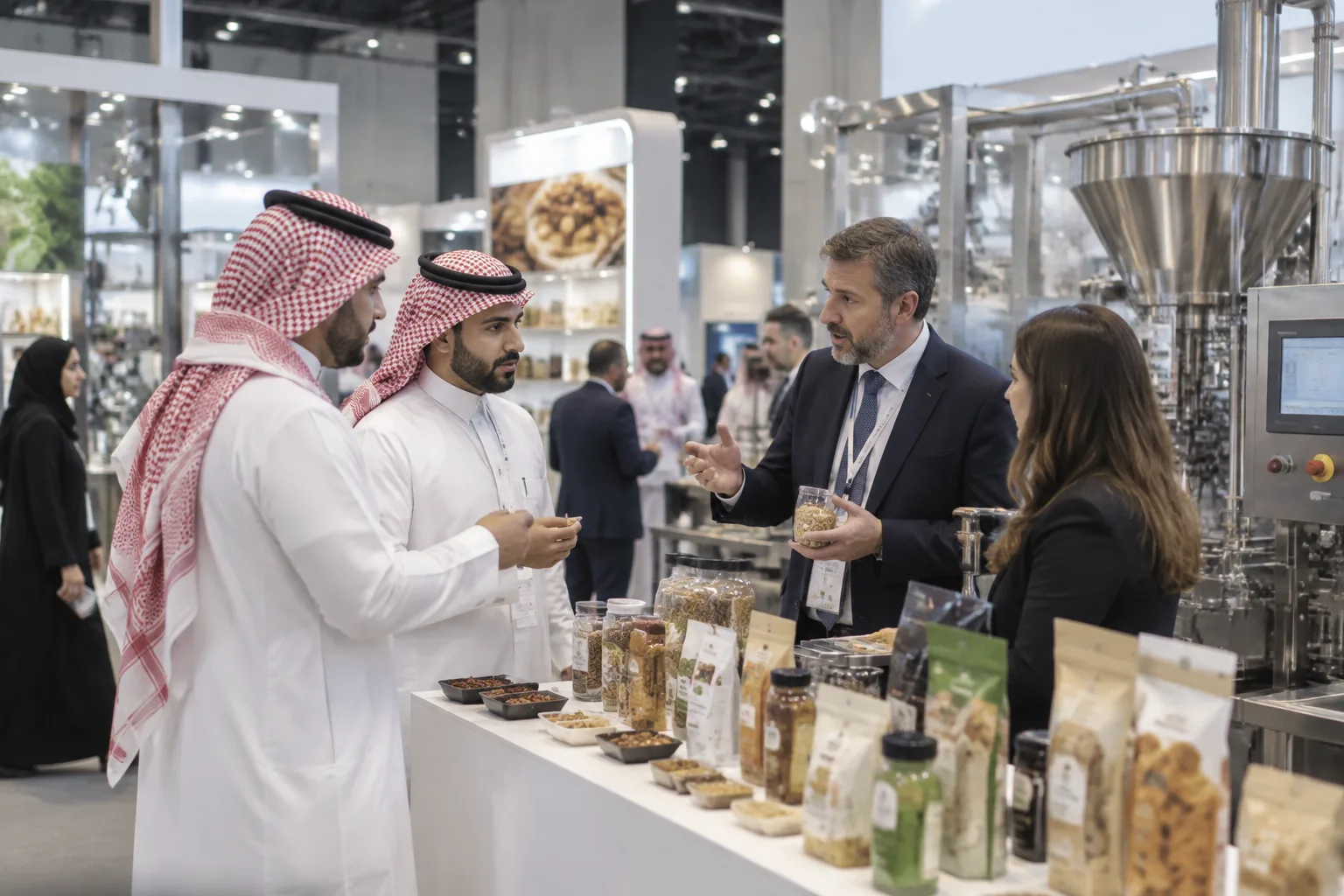
Five Saudi restaurant, café and confectionery brands are preparing to take part in Buybrand 2026, held in Moscow from 29 September to 1 October. The participating brands vary in network size and reliance on franchising, offering visitors a cross-section of Saudi Arabia’s franchise sector. A session exploring partnership opportunities between Saudi Arabia and Russia will also feature on the programme.
Saudi Arabia’s second appearance, with a new line-up
According to the participation announcement published on Retail.ru on 27 September 2026, this will be Saudi Arabia’s second appearance at the exhibition, but its first with this line-up of brands. The list comprises Berovan, Burgerizzr, Hashi Basha, Khaliyat Khalid and Namq, whose products range from sandwiches and burgers to honey pastries and speciality coffee.
The participation is supported by the Saudi National Franchise Committee and Safa International, also referred to as the Saudi Franchise Alliance, which helps brands enter international markets. The Saudi stand will operate throughout the three-day exhibition.
The event takes place in the Vavilov Pavilion at Moscow’s Timiryazev Centre, with visitors welcome from 10am to 6pm. It gives the five brands a shared platform to showcase their experience. However, the announcement includes no signed contracts or confirmed openings in Russia: it concerns their attendance at the exhibition and the presentation of potential opportunities for collaboration.
Large networks built around franchisees
Hashi Basha stands out with a network of 151 franchised outlets and six company-owned outlets, according to the figures in the announcement. Described there as a fast-growing Saudi restaurant brand, its reported network is overwhelmingly franchise-operated.
Khaliyat Khalid is presented as a premium confectionery brand specialising in honeycomb-style honey pastries. Its network comprises 139 franchised outlets and one company-owned outlet. This gives it a different profile from a brand that begins franchising after building a substantial company-owned estate.
The figures alone reveal nothing about franchisee relationships, outlet set-up costs or financial performance. They do, however, give visitors a clear starting point for comparison: these are two brands whose networks are largely franchised. Training, support and consistent product quality are therefore practical subjects to explore in partnership discussions, rather than strengths that can be assumed from outlet numbers.
Burgerizzr, Berovan and Namq: different routes to expansion
Burgerizzr will attend with a network of 124 company-owned outlets, while the announcement notes that it has only recently launched franchising. The source does not give a figure for its franchised outlets. The total should therefore be read as the size of its company-owned network, not the number of franchises awarded or outlets operated by partners.
Berovan offers a smaller-scale model: the grilled sandwich chain has nine outlets, three of them franchised. Namq, a speciality coffee brand serving its own coffee and desserts, has 33 outlets, including 13 operated under franchise.
The Saudi line-up therefore represents several approaches to expansion. It brings together a large network that has only recently begun franchising, networks dominated by franchisee-operated outlets, and smaller brands combining company-owned and franchised operations. These differences matter more than a combined outlet total, as they show how far each brand has progressed in using the franchise model. They do not, in themselves, establish the investment merits of any brand.
A session connecting the Saudi and Russian business communities
The announced programme includes a session with Dr Khalid Al-Ghamdi, Chairman of the Saudi National Franchise Committee, on 29 September at 4.35pm, in the hall whose name translates as ‘By Our Own Rules’.
The session is titled ‘Franchising: A Bridge for Business Growth Between Saudi Arabia and Russia’. According to the announcement, Al-Ghamdi will discuss how Saudi brands are reaching international markets and the prospects for partnerships between the two countries. Alongside the brand presentations, the session creates space to discuss cross-border expansion rather than focusing solely on products and outlet numbers.
However, the available information provides no details of franchise terms in Russia, available exclusive territories or investment fees for the participating brands. Nor does it report any outcomes from discussions, as it was published before the exhibition. The participation remains an announced promotional and commercial initiative, not evidence that the five brands have actually entered the Russian market.
Practical takeaway: If you are considering working with one of the participating brands, use the network figures to frame your questions, not to make a final decision. Start by distinguishing company-owned outlets from franchised ones, then request details of the franchise offer, support and expansion rights before assessing any opportunity.