Warsaw Franchise Fair: how to prepare for business discussions
The autumn Franchise Fair in Warsaw is a chance to explore business opportunities. Here is how to prepare your questions and compare the answers.
Published
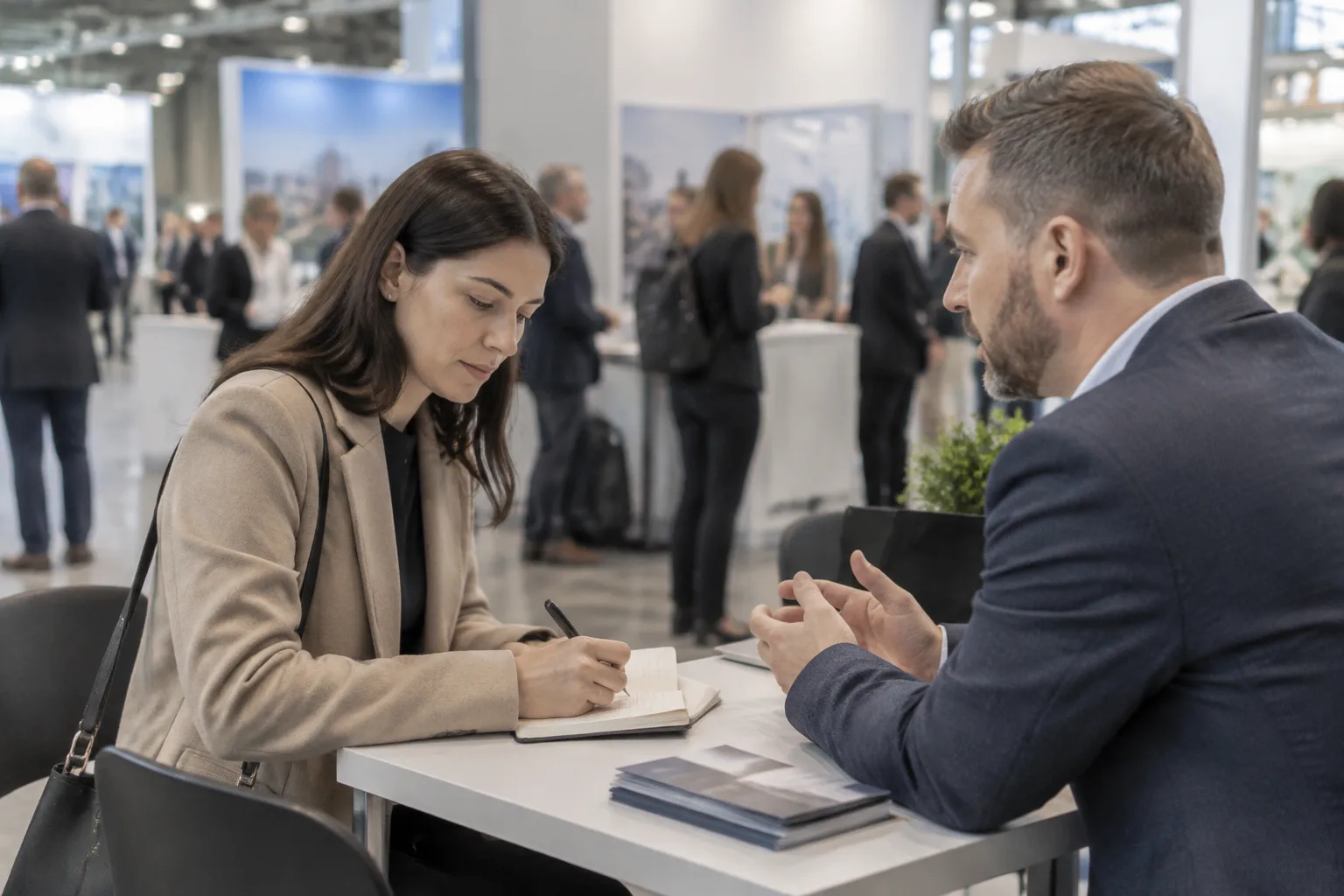
The autumn edition of Targi Franczyza, Warsaw’s Franchise Fair, will take place on 22 and 23 October 2026 at the Palace of Culture and Science in Warsaw. For anyone considering becoming a franchisee, however, the most important preparation goes beyond planning the visit itself. Above all, it is worth deciding what information you need to compare franchise opportunities after the event, rather than basing your decision solely on first impressions.
The Warsaw event as a starting point for your search
In a preview published on 23 September, Businesswoman & Life describes the Franchise Fair as the largest event of its kind in Central and Eastern Europe. It also notes that a fair guide and seminar programme are available. Reviewing these is a useful first step before travelling, particularly if your time at the event will be limited.
However, the preview does not provide a basis for assessing individual franchise offers, their costs or their projected performance. Nor should the event’s standing be taken as evidence of the quality of any particular opportunity. News of the fair is an invitation to explore, not a recommendation to sign an agreement with a specific brand.
For a prospective franchisee, a sensible aim for the visit is therefore to gather material for further analysis. Rather than expecting to find a ready-made business opportunity in a single meeting, prepare a list of points to clarify and documents to request.
Define your own requirements before considering brands’ proposals
Before looking through the event guide, write down your own constraints: the capital you have available, your preferred town or city, your ability to work in the outlet yourself and your management experience. This is not about producing a detailed business plan before your first conversation. It is about setting criteria that will help you ask specific questions.
It is also useful to separate the money allocated to starting the business from the reserve needed to keep it running. During discussions, ask exactly what the quoted investment figure covers. Does it include equipment, fitting out the premises, initial stock and other expenses? Which items are excluded from the breakdown? The answers should come from the documentation for that particular offer, not from your own assumptions.
Take a similar approach to your personal involvement. Be clear about whether you intend to run the outlet yourself or are considering hiring a manager. You can then ask whether the proposed franchise model allows this and which responsibilities remain with the franchisee. These are preparation tips, not a description of the terms offered by any of the brands attending the event.
Use one question list to make answers easier to compare
Take a standard note-taking template to your meetings. Comparing offers will be more straightforward if you record answers to the same questions for each one. Note any missing information too, rather than filling the gaps with assumptions.
A basic list might include:
- What expenses must be paid before the business opens, and which arise later?
- How are fees calculated, and which depend on sales?
- Which tasks does the franchisor carry out, and which fall to the business owner running the outlet?
- How are training, help with opening and ongoing support set out?
- What are the rules for choosing a location, and what requirements must the premises meet?
- How long does the agreement run, and what terms does it set for ending the relationship?
If a representative presents financial projections, ask for the assumptions behind them: sales levels, costs, the period covered and how the owner’s work is accounted for. A figure alone, without an explanation of how it was calculated, should not determine your choice. It is also worth distinguishing data from existing outlets from illustrative calculations prepared for a presentation.
After the fair, take time to review documents and assess the options
Review the seminar programme mentioned in the preview with your own knowledge gaps in mind. The available material does not specify the subjects of the talks, so do not assume that the programme will answer every question about agreements, funding or the day-to-day running of an outlet. An educational session can complement your discussions, but it cannot replace an assessment of a specific proposal.
After the event, organise your notes and identify the offers that merit further investigation. Follow-up contact should focus on obtaining missing information, a sample agreement and written confirmation of the key terms. It is worth reviewing the documents with an independent solicitor and the calculations with someone qualified to assess business finances.
Practical takeaway: come to Warsaw’s Franchise Fair with your own criteria and a consistent list of questions for every representative you meet. The most useful outcome is not a quick commitment to work together, but a set of comparable information that will help you make an informed decision about becoming a franchisee.